
Size
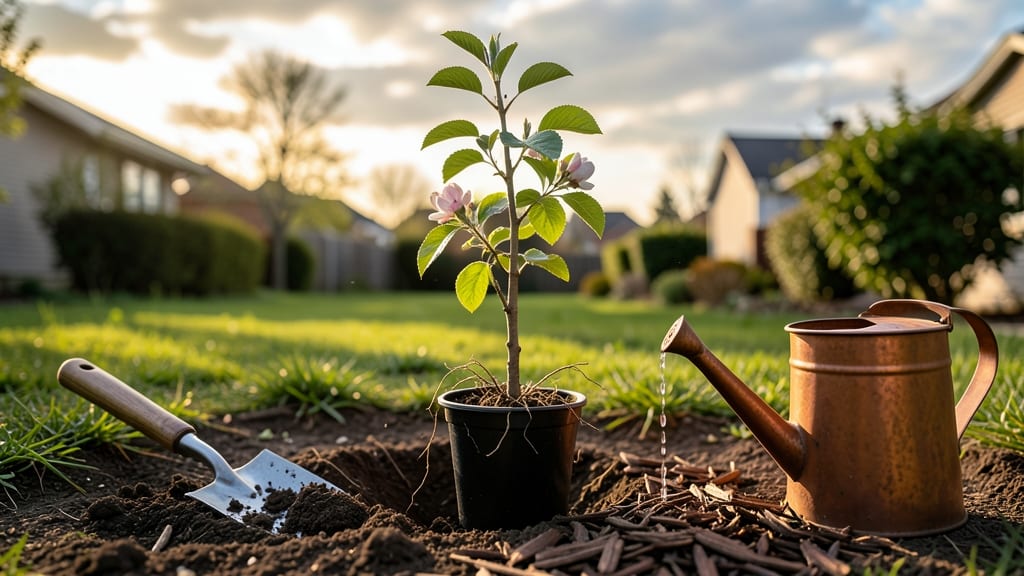
If you plant an apple seed, a tree will grow—but it won’t produce fruit identical to the parent apple. The resulting tree may take 5-10 years to bear fruit (if any), and the apples will likely differ in taste, size, and quality due to genetic variation. Success depends on proper seed selection, planting techniques, and patience for maturation.
Planting an apple seed is possible, but the tree you grow won’t be a carbon copy of the apple you ate. 🌱 The seed comes from a hybrid fruit—meaning the tree’s apples could turn out completely different in flavor, texture, or even color.
For example, planting a seed from a Granny Smith might yield a tree that produces tart, yellow fruit instead of the classic green variety. This is why commercial orchards use grafting instead of seeds: it guarantees the exact fruit you want.
If you’re determined to try, start with fresh seeds from an organic, untreated apple—store-bought seeds may have been treated to prevent sprouting. Plant them in well-draining soil, about half an inch deep, and keep the area moist.
Germination can take weeks or even months, so consistency is key. Once the seedling grows, it’ll need full sun and regular watering to thrive. Even then, there’s no guarantee of fruit—some trees may never produce at all.
💡 In This Article
- Why Apple Seeds Rarely Yield True-to-Type Fruit
- Step-by-Step Guide to Growing an Apple Tree from Seed
Why apple seeds rarely yield true-to-type fruit
The apple you bite into is the result of a carefully cultivated hybrid—most commercial varieties are the product of cross-pollination between two different apple trees. When you plant that seed, you’re essentially starting with a genetic lottery.
The seed carries only half of the parent tree’s DNA (from the pollen donor), while the other half comes from the original tree’s genes.
This means the tree that grows may produce fruit with completely different characteristics: a Granny Smith seed might sprout a tree bearing red, sweet apples instead of the original tart green ones. 🌳
Commercial orchards avoid this unpredictability by using a technique called grafting, where a scion (a young shoot from the desired apple variety) is attached to a rootstock. This ensures the tree will produce fruit identical to the parent.
Grafted trees also mature faster—often bearing fruit within 3-5 years—compared to the 5-10 years it might take a seed-grown tree. The science behind this is rooted in plant genetics: seeds carry recessive traits that can resurface unpredictably, while grafting preserves the dominant traits of the parent plant.
Another factor is dormancy—the apple seed’s ability to survive harsh conditions before germinating. Seeds from store-bought apples are often treated to prevent sprouting, so it’s best to use seeds from organic, untreated fruit. Even with fresh seeds, germination can be slow and inconsistent.
Once the seedling emerges, it enters a juvenile phase where it focuses on root and leaf growth rather than fruit production. This phase can last several years, during which the tree is vulnerable to pests, disease, and environmental stress.
Consider this: the famous Honeycrisp apple variety was developed through decades of selective breeding and cross-pollination. If you planted a Honeycrisp seed, the resulting tree might produce fruit that’s nowhere near as sweet or crisp—it could be bitter, mealy, or even inedible.
This is why horticulturists rely on controlled pollination and grafting to maintain consistency in fruit quality. The natural variation in seed-grown trees is what makes them interesting for experimental gardeners, but it’s also why they’re rarely used in commercial production.
For those who still want to try, heirloom apple varieties like the Arkansas Black or Ashmead’s Kernel are better choices because they’ve been selected for their reliability in seed propagation. However, even these may not produce fruit identical to the parent.
The key takeaway is that while you can grow an apple tree from a seed, the fruit it produces will be a surprise—one that’s shaped by nature’s unpredictability rather than human cultivation. 🌱