
Pruning
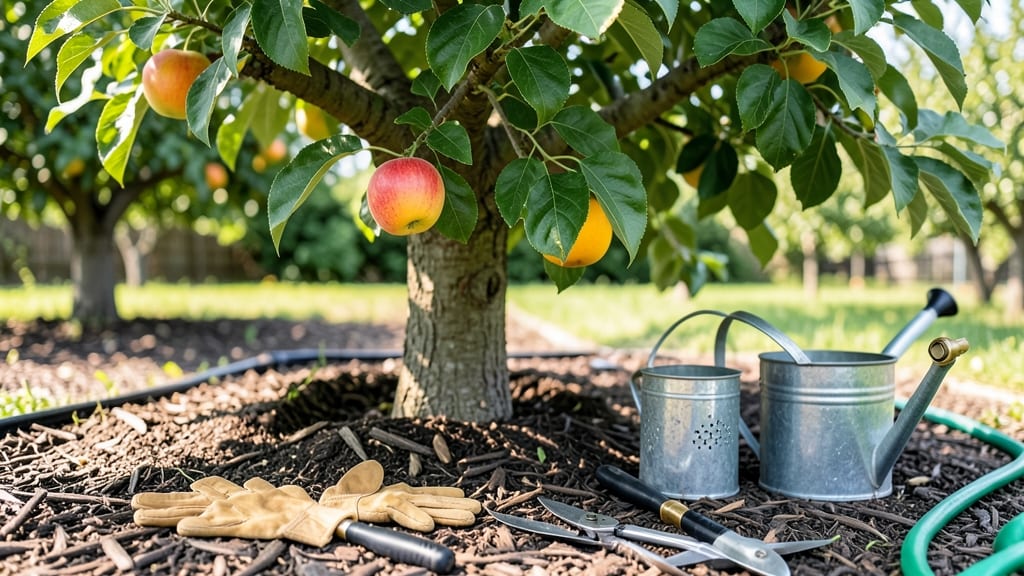
Your fruit tree care near me starts with year-round pruning—the secret weapon behind my neighbor-jealousy orchard. 🌳 I’ve spent years perfecting this routine, and the difference between a struggling tree and one loaded with fruit comes down to a few sharp cuts at the right time.
The basics are simple: prune for light, shape, and health. You’ll need clean pruners, a ladder, and a clear day. Most trees need three main pruning sessions—winter cleanup, spring shaping, and summer thinning—but the key is consistency, not perfection.
Even a small effort now means bigger harvests next year. What you’ll end up with is a tree that produces stronger branches, better airflow, and more fruit than you’ve ever seen. The pruning scars heal fast, and the tree rewards you with lush growth and heavy harvests.
It’s not just about cutting—it’s about teaching your tree to grow the way you want. This works for apples, peaches, cherries, and even citrus—just adjust timing for your local climate. Let’s get those branches looking sharp!
📚 In This Guide
- What you need
- Instructions
- Tips and common mistakes
- Wrapping up and next steps
What you need
- ● Pruning Shears: Bypass pruners (for small branches, ¼”–¾” diameter). Quantity: 1 pair (high-quality, like Felco or Fiskars).
- ● Loppers: For medium branches (¾”–2” diameter). Quantity: 1 pair (look for ratcheting or bypass models).
- ● Pruning Saw: For thick branches (2”+ diameter). Quantity: 1 (folding saw for portability).
- ● Gloves: Heavy-duty, cut-resistant gloves (to protect hands from thorns and sharp tools). Quantity: 1–2 pairs.
- ● Disinfectant: 70% isopropyl alcohol or a pruning sealant (to prevent disease spread). Quantity: Small bottle for cleaning tools.
- ○ Pruning Paint/Sealant: (Optional but recommended for large cuts to prevent decay). Quantity: Small tube.
- ● Ladder: Sturdy, extendable ladder (for tall trees). Quantity: 1 (if needed).
- ● Bucket or Tarp: For collecting debris. Quantity: 1–2 (5-gallon bucket or large tarp).
- ● Watering Can/Hose: For post-pruning hydration. Quantity: 1 (with a gentle spray nozzle).
- ● Hand Pruners with Ratchet: Easier to cut through stubborn branches.
- ● Pole Pruner: For high branches (extends reach up to 10–12 ft).
- ● Tree Wrap: Protects young trees from sunburn or pests.
- ● Fertilizer: Organic or slow-release (e.g., compost, 10-10-10 NPK ratio).
- ● Mulch: Wood chips or straw (2–4 inches thick, keep 6” away from trunk).
- ● Safety Gear: Goggles (to shield eyes from debris) and earplugs (if using loud equipment).
- ● Notebook/Journal: To track pruning dates, growth notes, and harvest timelines.
Step-by-Step year-round pruning for healthy fruit trees
Here’s how to keep your fruit trees thriving with seasonal pruning—no matter where you live.
✂️ Step 1: Winter Pruning (Late Dormancy)
Start in late winter (just before buds swell) when the tree is fully dormant. This is the best time to remove dead, diseased, or crossing branches—they’re easy to spot against bare wood. I like to make cuts just outside the branch collar (that swollen area where the branch meets the trunk) using clean, sharp pruners. This prevents unsightly stubs and promotes faster healing.
Focus on opening the center of the tree to let light and air circulate. You’ll see thick clusters of branches growing inward—these compete for sunlight and weaken fruit production. Thin them out by cutting back to a smaller branch or bud. Remember: never remove more than 25% of the canopy in one season, or you’ll shock the tree.
☀️ Step 2: Early Spring Pruning (Bloom Time)
Once buds begin to swell but before flowers open (usually 2-3 weeks before bloom), do a light pruning pass. This removes any water sprouts (fast-growing vertical shoots) that appeared over winter. These sap-suckers drain energy from fruit production. Snip them off at the base with hand pruners—no need for heavy tools.
Watch for sucker growth at the base of the tree (new shoots growing from the roots). These can crowd the main trunk and compete with the canopy. Dig carefully to expose the root and cut it off with clean shears. If you see any dieback (dead branches from winter cold), prune those out too—just above a healthy bud or branch.
🌿 Step 3: Summer Pruning (Post-Harvest)
After harvest, when the tree has 6-8 weeks of new growth, do a final light pruning. This is about shaping and encouraging airflow—cut back any branches that are rubbing against each other or growing too close together. Use loppers for thicker branches and hand pruners for smaller ones.
Look for shoots growing straight up (called "water sprouts") and suckers at the base. These steal energy from fruit production. Trim them back to a leaf bud or lateral branch. Avoid heavy pruning now—you don’t want to stress the tree before winter. Just lighten the canopy so sunlight reaches the inner branches.
⏰ Step 4: Fall Cleanup (Pre-Winter Prep)
In late fall, after leaves drop but before hard frosts, do a final cleanup. Remove all diseased or pest-infested branches—burn or bag them (don’t compost!) to prevent next year’s problems. Sterilize your pruners with rubbing alcohol between cuts to avoid spreading pathogens.
Now’s also the time to thin out any weak growth that didn’t harden off properly. You’ll spot it easily—these branches are pale, thin, and brittle. Cut them back to a strong lateral branch or bud. This prepares the tree for winter by reducing stress and promoting stronger growth in spring.
Tips & tricks for perfect year-round fruit tree maintenance
Mastering seasonal pruning transforms your fruit trees from struggling survivors to thriving producers—here's how to avoid common pitfalls and elevate your technique.
Pruning Precision: When making cuts in Step 1, use a sharp pruning saw or loppers for branches thicker than 2 inches. The key is to cut just outside the branch collar—the swollen area where the branch meets the trunk—never flush with the trunk. This prevents unsightly stubs and promotes faster healing. I've seen too many trees develop fungal infections from improper cuts that didn't seal properly. Always make clean, angled cuts at a 45-degree angle to help water run off.
Seasonal Timing Secret: The 2-3 weeks before bloom in Step 2 is critical—this window ensures you don't accidentally prune off next year's fruit buds. Look for swollen buds that haven't yet opened; these indicate you're in the perfect timing zone. In colder climates, this might be late February to early March, while warmer regions could be as late as April. If you're unsure, err on the side of waiting until buds are visibly swollen but still closed.
Tool Sanitation Strategy: Between every 3-4 cuts—especially when dealing with diseased branches in Step 4—sterilize your pruners with rubbing alcohol. This simple step prevents spreading pathogens throughout your tree. I keep a small bottle of 70% isopropyl alcohol in my pruning kit and wipe down tools after each infected branch. The few extra seconds save your tree from potential blight infections that could devastate next year's harvest.
Visual Growth Assessment: In Step 3, when evaluating summer growth, look for branches that are growing straight up (water sprouts) or at sharp angles from the trunk. These are energy vampires that steal nutrients from fruit production. Trim them back to an outward-facing bud or lateral branch—this redirects growth to more productive areas. The goal is to create an open center that lets sunlight penetrate to the inner branches where fruit develops.
Pro Tips for Fruit Tree Care Near Me
- Mastering seasonal pruning transforms your fruit trees from struggling survivors to thriving producers—here's how to avoid common pitfalls and elevate your technique.
- Pruning Precision: When making cuts in Step 1, use a sharp pruning saw or loppers for branches thicker than 2 inches.
- Seasonal Timing Secret: The 2-3 weeks before bloom in Step 2 is critical—this window ensures you don't accidentally prune off next year's fruit buds.
Frequently asked questions
When is the best time to prune my fruit tree?
For most fruit trees, late winter or early spring (just before buds swell) is ideal—this promotes strong growth and heavy fruit production. Citrus trees and tropical varieties (like avocado) should be pruned in summer or early fall to avoid frost damage. Always prune after harvest for stone fruits (peaches, plums) to reduce disease risk.
How much should I prune off each year?
Remove 15–25% of the tree’s total growth annually to maintain shape and airflow. Avoid over-pruning—never cut more than 30% in one session, or you risk stressing the tree. Focus on dead, diseased, or crossing branches first, then thin out crowded areas. Young trees need less aggressive pruning (5–10%) to establish structure.
My fruit tree has bugs or spots on the leaves—what should I do?
Start with preventive care: Remove fallen leaves/debris, water at the base (not overhead), and prune for airflow. For pests like aphids or scale, use a hose spray or neem oil. Fungal spots? Apply copper fungicide or baking soda spray (1 tbsp baking soda + 1 quart water + a drop of dish soap). Call a local arborist if infestations persist!
Can I prune a fruit tree in summer?
Yes, but lightly and strategically! Summer pruning helps control size and shape, especially for fast-growing trees (like figs or pomegranates). Avoid heavy cuts—focus on removing suckers, water sprouts, and fruit-thinning. Prune on overcast days or late afternoon to reduce stress. Citrus trees benefit from summer pruning to improve air circulation.
Is it worth hiring a professional for fruit tree pruning?
If your tree is large, mature, or diseased, a pro can save time and prevent mistakes. They’ll know exact cuts for your tree type (e.g., open-center vs. central leader shapes) and spot hidden issues. For small trees or basic maintenance, DIY with research works—just invest in sharp tools and safety gear!
Wrapping up and next steps
Caring for your fruit trees year-round isn’t just about patience—it’s about love, strategy, and a little elbow grease. 🌿 With the right tools, timing, and techniques, you’ll enjoy lush canopies, bountiful harvests, and trees that thrive for decades.
Whether you’re a beginner or a seasoned gardener, consistent pruning and maintenance are your secret weapons for success.
Ready to take the next step? Start small—pick one tree or season to focus on, then expand your skills. Need a hand? Search for “fruit tree care near me” to find local experts or workshops. Your future orchard awaits—let’s grow together! 🍎✨