
Trees
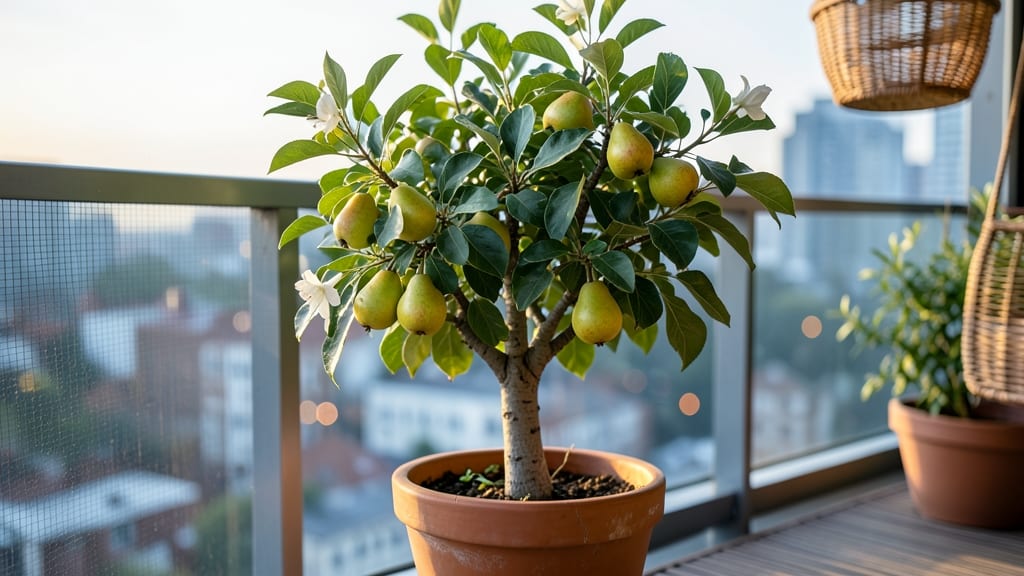
Small gardens deserve trees that pack big flavor. These 10 rare varieties produce delicious, pear-like fruit perfect for compact spaces, offering both beauty and bounty without overwhelming your yard.
Asian Pear Trees For Compact Spaces
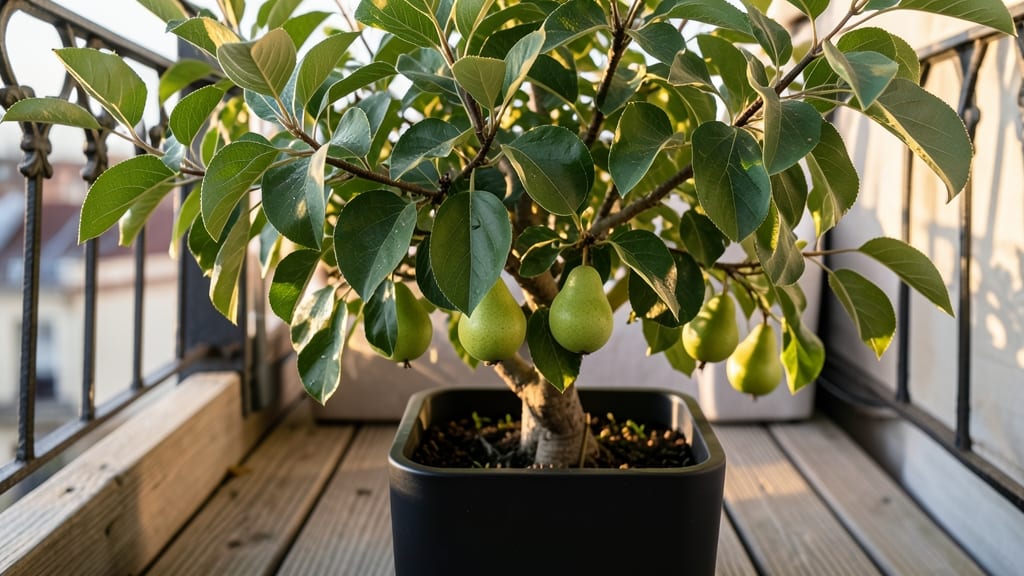
Imagine enjoying fresh, crisp Asian pears straight from your balcony—no backyard required! Dwarf varieties like 'Little Gem' grow just 12-15 feet tall, making them perfect for urban spaces where traditional fruit trees won’t fit.
These trees thrive in containers or in-ground plantings and produce sweet, honey-flavored fruit in just 3-4 years**—no waiting decades for harvest. Their glossy green leaves add year-round interest, and they require minimal pruning compared to full-sized trees. For best results, plant in well-draining soil with 6-8 hours of sun daily and water deeply once established.
Urban gardeners and apartment dwellers will love how these trees fit seamlessly into small spaces while delivering a bountiful harvest. 🌱
Japanese Pear Trees With Unique Shapes
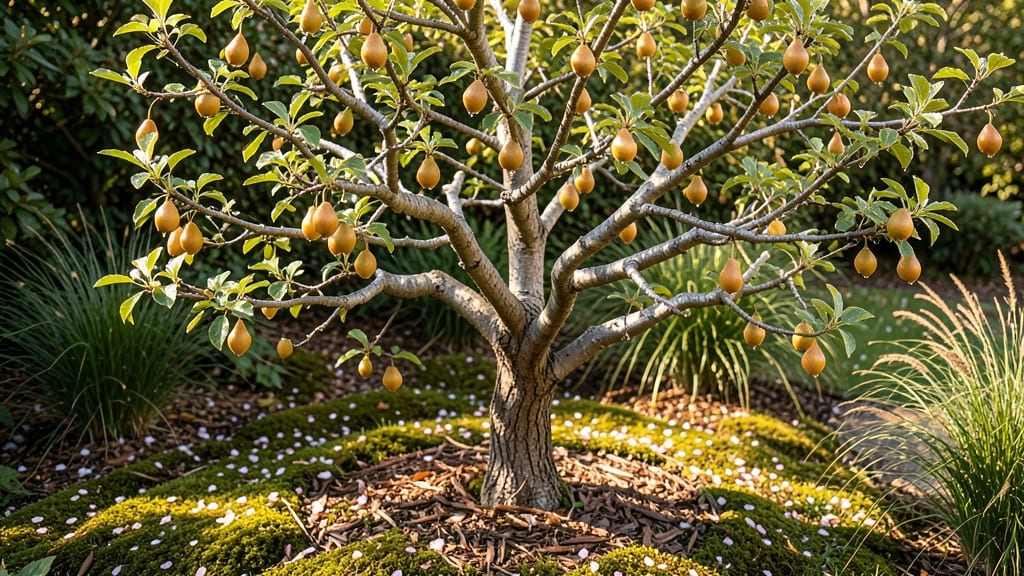
Transform your garden into a whimsical fairy tale with Japanese pear trees like Nijisseiki, which grow as enchanting multi-trunked shrubs instead of traditional trees. These dwarf cultivars produce clusters of tiny, honey-sweet pears that are perfect for bonsai displays or miniature landscapes.
Thriving in USDA zones 5-8, these trees reach only 6-10 feet tall, making them ideal for small spaces or containers. Their delicate pink blossoms in spring and glossy green foliage add year-round interest, while the small pears ripen in late summer. Prune lightly after fruiting to maintain their unique, bushy shape—no formal training required!
Bonsai enthusiasts and fairy garden creators will love how easily these trees adapt to artistic pruning. Even urban gardeners with limited space can enjoy their sweet rewards without sacrificing aesthetics. 🌟
Medlar Trees For Cold Climate Gardens
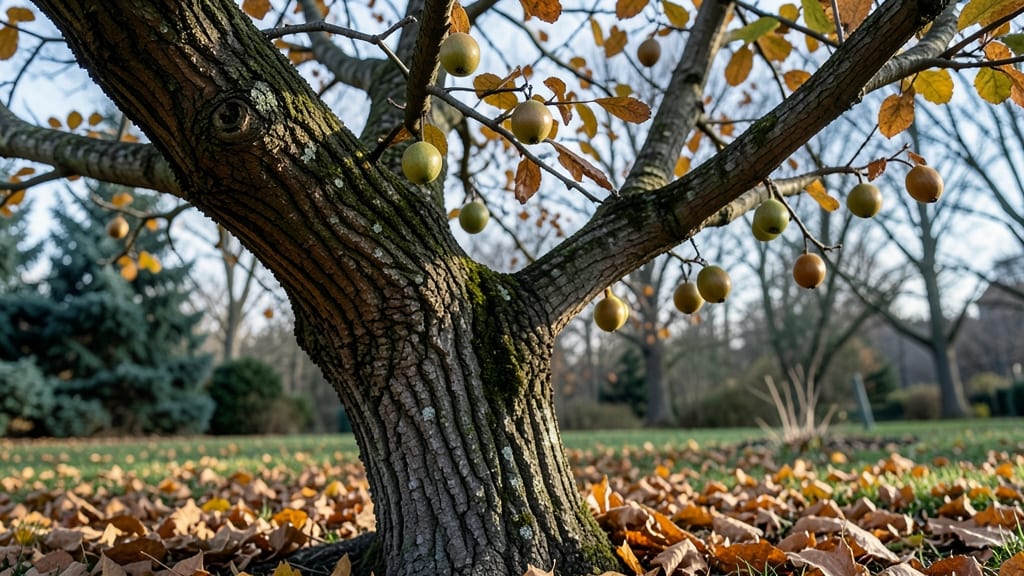
If you live in USDA zones 4-8 and struggle with finicky pear trees, medlar trees (Mespilus germanica) might be your new favorite. Unlike their delicate cousins, medlars thrive in cold climates, producing tart-sweet fruit that actually tastes better after frost—a quirky trait called "bletting" that transforms their texture and flavor.
These disease-resistant trees require almost no special care: plant them in full sun to partial shade with well-draining soil, and they'll reward you with minimal pruning needs. The fruit drops in autumn, so check the ground for fallen medlars in late winter—just be patient, as they soften and sweeten after a hard frost. Perfect for forgotten corners of the garden or as a low-maintenance specimen.
Northern gardeners will love how medlars outperform traditional pears in harsh winters, while foragers can use the fruit for homemade jellies or fermented drinks. 🌟
Loquat Trees With Edible Flowers
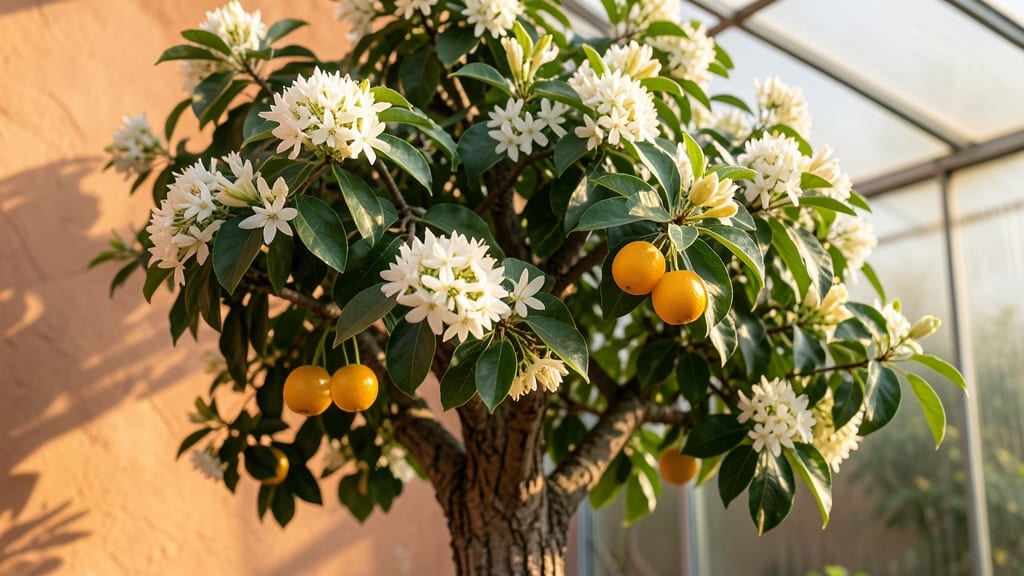
Looking for a tree that rewards you with both stunning blooms and delicious fruit? The loquat tree (Eriobotrya japonica) delivers fragrant white flowers followed by small, citrus-flavored fruit—like nature’s candy with a floral twist.
Thriving in Mediterranean climates or greenhouses, these evergreen trees handle partial shade and well-drained soil. Their edible flowers bloom in late fall, while fruit ripens in winter, offering a rare winter harvest. Prune lightly after harvest to encourage bushier growth—ideal for small spaces or container growing.
Perfect for gardeners who love dual-purpose plants, loquats add year-round interest with glossy foliage, fragrant blooms, and sweet fruit. 🌟
Serviceberry Trees For Pollinators
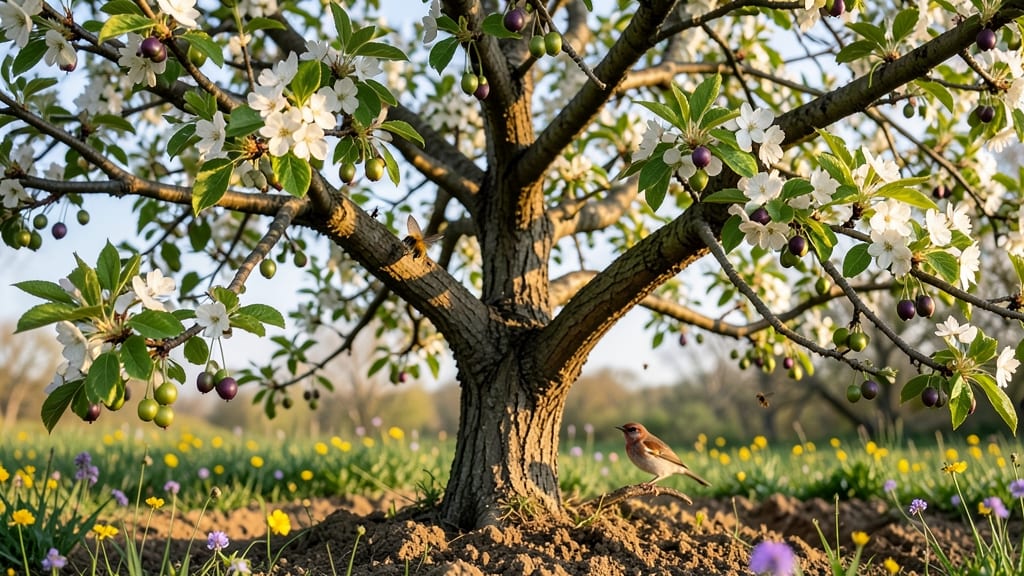
Looking for a tree that supports pollinators while adding beauty to your landscape? Serviceberry trees (Amelanchier spp.) are native North American powerhouses with white spring blooms that attract bees and butterflies, followed by edible berries that feed birds.
These versatile trees thrive in full sun to partial shade and adapt to various soil types, making them perfect for wildlife gardens or low-maintenance yards. Their blueberry-sized pears ripen in late summer, offering a late-season treat for birds and humans alike. With minimal pruning needs and stunning fall foliage, they’re a year-round asset.
Ideal for beginners or eco-conscious gardeners, serviceberries require almost no special care—just plant them in well-draining soil and watch the pollinators flock. 🌟
Quince Trees For Preserving Fruit
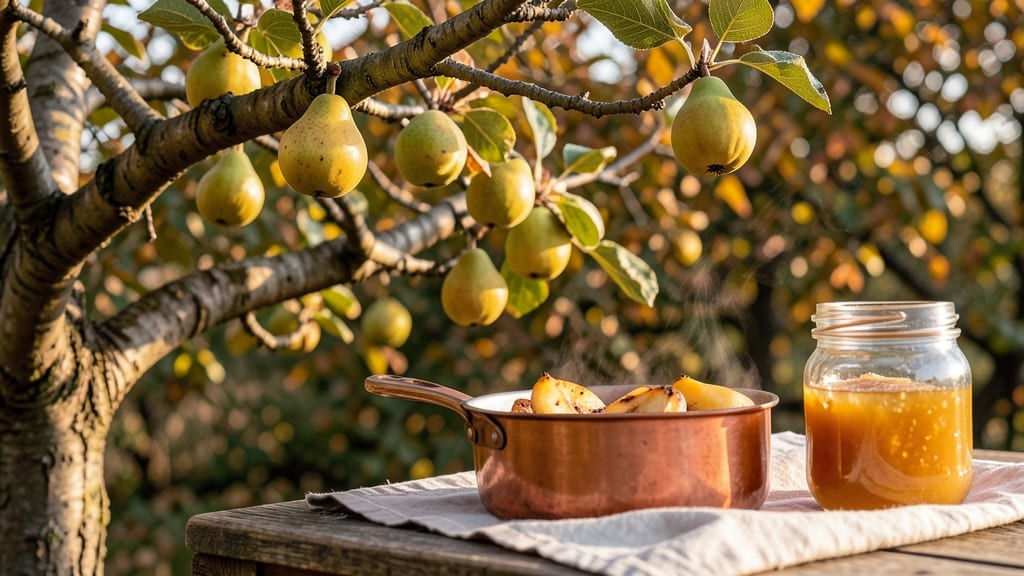
If you've ever dreamed of making homemade preserves but struggled with sourcing fruit, quince trees are your secret weapon. Their tart, fragrant fruit transforms into the most luxurious jams and jellies—think golden, spiced preserves that taste like autumn in a jar.
Quince trees thrive in full sun to partial shade and tolerate a range of soils, making them low-maintenance stars for both beginners and experienced gardeners. The dwarf variety 'Issai' is especially magical, producing both flowers and fruit at the same time, creating a stunning, year-round display. Harvest fruit in late fall, when it ripens to a golden hue—just be sure to wear gloves, as the skin can be prickly!
This tree is a game-changer for small gardens or urban spaces, offering high flavor with minimal space. Preservation enthusiasts and homesteaders will love how versatile quince fruit is—it’s also perfect for baking or drying. 🌟
Jujube Trees For Drought Tolerance
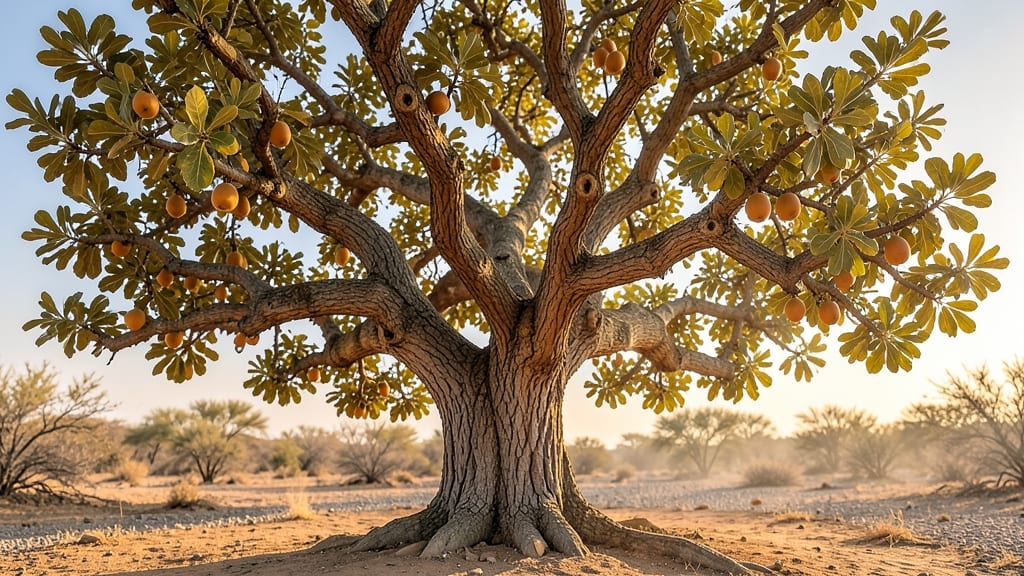
If you're looking for a tree that thrives where others fail, jujube trees are your answer. These ancient Chinese trees have been cultivated for over 4,000 years and are perfectly adapted to dry, arid conditions—making them a standout choice for water-wise gardens or desert landscapes.
Jujubes produce small, date-like fruits with a unique sweet-tart flavor that's perfect for snacking fresh or drying like raisins. They're incredibly low-maintenance, requiring minimal water once established and tolerating poor, rocky soils. Plant them in full sun for best results, and watch them flourish with minimal care while providing shade and fruit for decades.
This tree is a game-changer for xeriscaping projects or food forests, offering both beauty and bounty without the water demands of traditional fruit trees. 🌻
Hawthorn Trees For Hedgerows
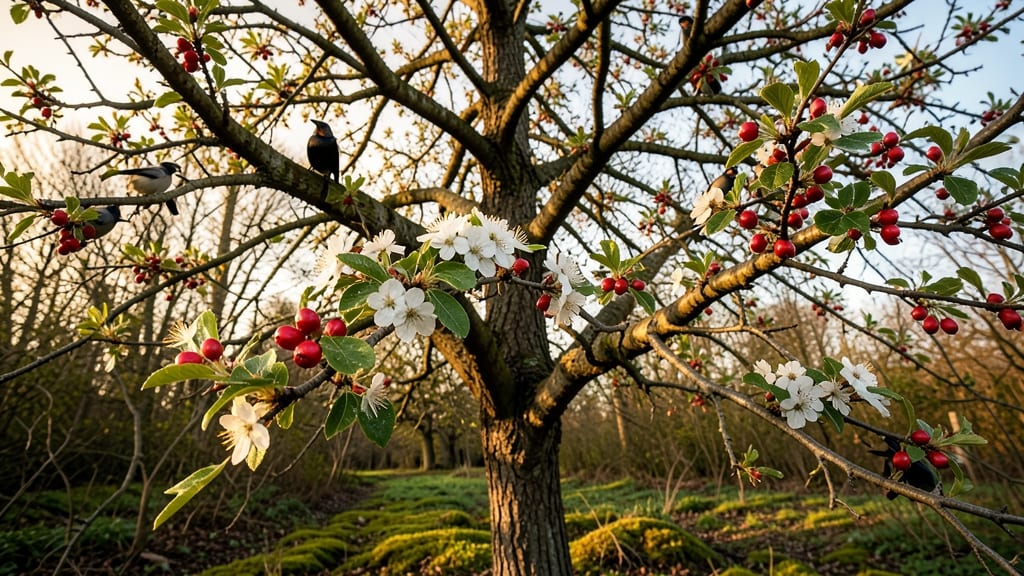
Looking for a natural privacy screen that’s both beautiful and wildlife-friendly? Hawthorn trees deliver with their dense, thorny branches and clusters of fragrant white flowers that transform into bright red berries (haws)—a favorite snack for birds and small mammals.
These hardy trees thrive in full sun to partial shade and tolerate a wide range of soils, making them ideal for cottage gardens, hedgerows, or even urban borders. Plant them 10–15 feet apart for a thick, impenetrable barrier that still lets light filter through. Their low-maintenance nature means you’ll spend more time admiring their spring blooms than pruning.
Perfect for gardeners who want year-round interest—spring flowers, summer foliage, autumn berries, and winter structure—hawthorns also support local ecosystems by providing food and shelter. 🌟
Chokeberry Trees For Health Benefits
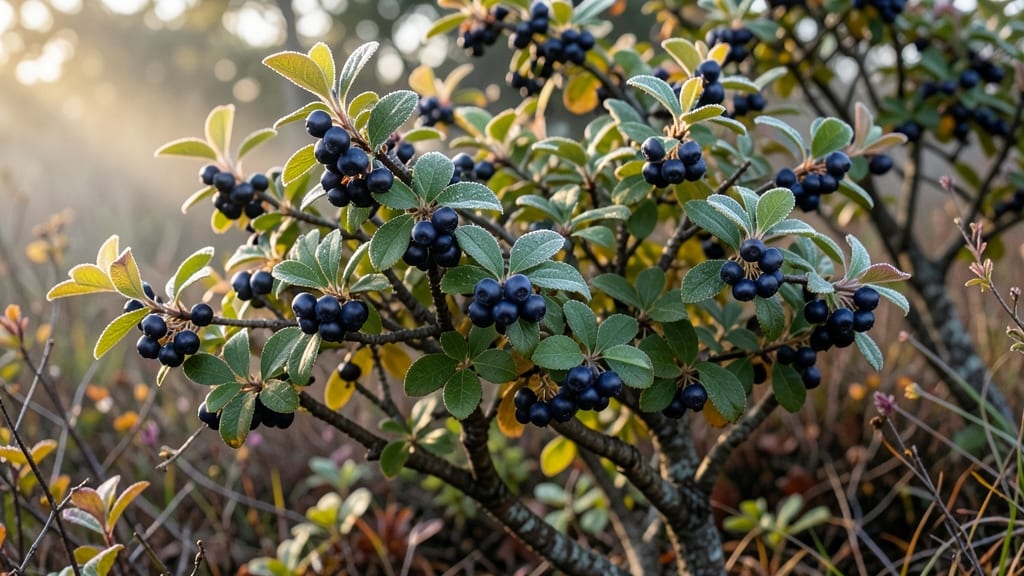
Looking for a native North American shrub that does double duty as both a food source and a medicinal powerhouse? Chokeberry (Aronia melanocarpa) delivers with its deep purple-black berries packed with antioxidants—often called "nature's multivitamin." These hardy plants thrive in USDA zones 3-8 and adapt to poor soils, making them perfect for permaculture systems or wildlife-friendly gardens.
The tart berries are rich in vitamin C, fiber, and polyphenols, with studies showing they may support heart health and reduce inflammation. Birds and pollinators adore them too, creating a self-sustaining ecosystem. Plant in full sun to partial shade, and expect 3-4 feet of height and spread—ideal for hedgerows or understory plantings. Prune in late winter to encourage vigorous growth and abundant fruit production.
Perfect for homesteaders, herbalists, and gardeners who want a low-maintenance, high-reward native plant. 🌿
Dwarf Pear Trees For Containers

Transform your tiny urban space into a fruit-bearing oasis with dwarf pear trees like the 'Pineapple' pear, which stays a manageable 6 feet tall while producing real, edible fruit. Unlike their full-sized counterparts, these patio-friendly varieties thrive in containers, making them ideal for balconies, rooftops, or even sunny windowsills.
Choose a large, well-draining container (at least 18 inches wide) filled with loamy, slightly acidic soil—these trees need good airflow to prevent fungal diseases. Place your container where it gets full sun (6+ hours daily) and water deeply when the top inch of soil feels dry. With minimal pruning (just to shape and remove dead branches), you’ll enjoy harvests in 3-5 years, with fruit as small as plums but packed with sweet-tart flavor.
Perfect for city dwellers, renters, or small-space gardeners, these trees bring the joy of fruit growing without the commitment of a full garden. Plus, their compact size makes them easy to move if you need to adjust your outdoor setup. 🌱