
Pruning
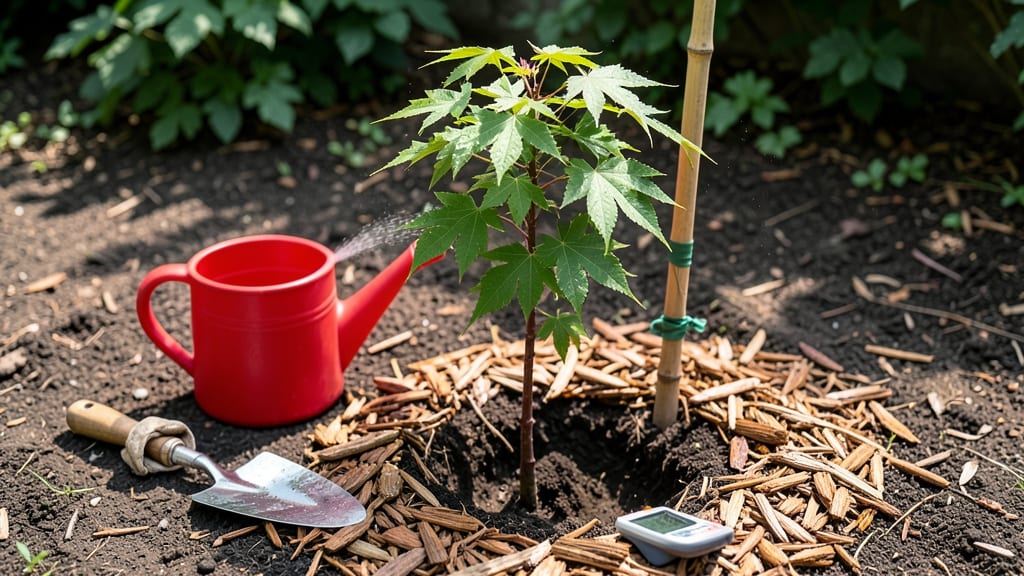
Caring for a maple tree sapling means setting the foundation for decades of shade and beauty. 🌳 The first year is critical—get it right, and you’ll have a sturdy tree; get it wrong, and you risk stunted growth or disease.
I’ve nursed saplings through their first winter, and the key is consistency in water, soil, and protection from elements.
Start with well-draining soil mixed with compost, and plant in a spot with full sun to partial shade. A young maple needs 1-2 inches of water per week, more in hot climates, and mulch helps retain moisture while shielding roots from temperature swings.
Prune only to remove dead branches—never shape it like a topiary, as maples heal slowly.
Watch for signs of stress: yellowing leaves mean overwatering, while brittle branches signal drought. Pests like aphids are common but rarely fatal; a strong sapling usually shrugs them off. By year two, you’ll see the real payoff: vibrant green foliage and a trunk thick enough to weather storms.
This method works for sugar, red, and silver maples alike. The secret isn’t fancy tools—it’s patience and paying attention to what the tree tells you. Let’s get those roots growing strong!
📚 In This Guide
- What you need
- Instructions
- Tips and common mistakes
- Wrapping up and next steps
What you need
- ● Maple tree sapling: Choose a hardy species like Acer saccharum (sugar maple) or Acer rubrum (red maple), preferably 1–3 feet tall with a sturdy root system.
- ● High-quality potting soil: A well-draining mix (e.g., 60% topsoil, 30% compost, 10% perlite/sand) for container growth or native soil amended with compost for outdoor planting.
- ● Organic mulch: 2–3 inches of shredded bark, wood chips, or pine straw to retain moisture and regulate soil temperature.
- ● Watering can or hose: With a gentle spray nozzle to avoid damaging tender leaves.
- ● Fertilizer: A balanced, slow-release fertilizer (10-10-10 or 20-20-20) or organic options like fish emulsion or compost tea (apply sparingly in early spring).
- ● Pruning tools: Bypass pruners (for thin branches ≤ ½ inch)
- ● Loppers (for branches ½–1½ inches thick)
- ● Sterilized saw (for thicker branches)
- ● Tree stake or support: A 5–6 foot bamboo or metal stake + soft tree tie (for young saplings in windy areas).
- ● Soil pH tester: Ideal range for maples: 6.0–7.5 (adjust with lime or sulfur if needed).
- ● Root stimulator: Mycorrhizal fungi or liquid rooting hormone to boost early growth.
- ● Tree guard: A plastic or metal collar to protect the trunk from rodents or lawnmowers.
- ● Drip irrigation system: For consistent moisture during dry spells.
- ● Slow-release water beads: Buried near roots to reduce frequent watering.
- ● Pest control: Neem oil or insecticidal soap (for aphids, scale, or borers).
Step-by-step instructions for maple tree sapling care
Here's how to nurture your maple sapling into a sturdy, healthy tree that thrives through every season.
🌱 Step 1: Plant in the Right Spot for Long-Term Growth
Choose a location with full sun to partial shade—maples need at least 6 hours of sunlight daily but tolerate light shade in hotter climates. Dig a hole twice as wide as the root ball but only as deep, since planting too deep suffocates roots. Gently loosen the root ball if it's tightly bound, then place the sapling so the top of the root ball sits 1-2 inches above ground level.
This ensures proper drainage while preventing the trunk from rotting. I like to backfill with a mix of native soil and compost (about 1/3 compost by volume) to give roots a nutrient boost without overwhelming the young plant. Water deeply right after planting to settle the soil around the roots.
💧 Step 2: Water Deeply and Consistently Through the First Year
Water your sapling 2-3 times per week during its first year, giving it 1-2 gallons each time depending on pot size. You'll know it's enough when water drains out the bottom and the top 6 inches of soil feel moist. Overwatering is just as harmful as underwatering—yellowing leaves signal soggy roots, while crispy edges mean the soil dried out too fast.
Real talk: I've killed saplings by letting them sit in saucers of standing water. Always check the soil before watering—stick your finger in 2 inches deep. If it feels dry, water. If it's damp, wait. Mulch the base with 2-3 inches of organic mulch (like shredded bark) to retain moisture and regulate soil temperature.
☀️ Step 3: Protect and Prune for Healthy Structure
In late winter or early spring, prune any broken, crossing, or diseased branches using clean, sharp pruners. Cut just outside the branch collar (the swollen area where the branch meets the trunk) to encourage proper healing. Never remove more than 25% of the foliage in one season—maples are sensitive to heavy pruning.
If your sapling is in a windy area, consider staking it for the first year. Use two stakes on opposite sides tied loosely with soft fabric (never wire—it can girdle the trunk). Watch for signs of stress like wilting or yellow leaves; these often mean the stakes are too tight or the tree isn't getting enough water.
⏰ Step 4: Adjust Care Through the Seasons
Spring is all about feeding—apply a balanced, slow-release fertilizer (10-10-10) in early spring when new leaves emerge. Summer means regular checks: water when the top 2 inches of soil feel dry, and watch for pests like aphids or spider mites. Fall is for cleanup: remove any fallen leaves with disease, and add a 2-inch layer of mulch to protect roots from winter chill.
Here's the thing—maples are tough, but they need consistent care. In winter, avoid heavy snow buildup on branches (gently brush it off) and protect the trunk from rodent damage with a tree guard if needed. Your sapling will reward you with vibrant fall colors and strong growth in just a few years.
Tips & tricks for perfect maple tree sapling care
These simple strategies will help you avoid common pitfalls and give your young maple the best start in life.
Location is Everything: I can't stress this enough—maples planted in full sun (at least those 6 hours daily) grow twice as fast as those in shade. If your yard has afternoon shade, position the sapling to catch morning sun instead. The east side of a house or tree is ideal for balancing light and moisture retention. I've seen saplings in shady spots struggle to develop strong trunks, even with extra care.
Root Ball Position Matters: That 1-2 inch elevation above ground level isn't just a suggestion—it's critical for proper drainage. I learned this the hard way when a sapling I planted too deep developed root rot within months. The root flare (where roots meet trunk) should be clearly visible above the soil line. If you're unsure, dig a shallow trench around the base to check after planting.
Watering Wisdom: Those 2-3 waterings per week with 1-2 gallons each time should be done slowly at the base, not overhead. I use a soaker hose for 15-20 minutes to ensure water penetrates deeply. The 6-inch moist soil check is your best guide—if it's dry at that depth, water again. Mulch helps, but don't pile it against the trunk where it can trap moisture and cause rot.
Seasonal Adjustments: In summer, check soil moisture every 2 inches—you'll likely need to water more frequently. In winter, avoid piling snow against branches (it can snap them) and protect the trunk with a simple tree guard. I've seen deer gnaw young maples to the ground in winter—this small precaution makes all the difference.
Pro Tips for Maple Tree Sapling Care
- These simple strategies will help you avoid common pitfalls and give your young maple the best start in life.
- Location is Everything: I can't stress this enough—maples planted in full sun (at least those 6 hours daily) grow twice as fast as those in shade.
- Root Ball Position Matters: That 1-2 inch elevation above ground level isn't just a suggestion—it's critical for proper drainage.
Frequently asked questions
Got questions about nurturing your maple tree sapling?
You’re not alone! Here are answers to the most common concerns—from planting to long-term care—so you can keep your young tree thriving with confidence.
When is the best time to plant a maple sapling?
The ideal window is early spring or fall (4–6 weeks before the first frost). This gives roots time to establish before extreme heat or cold. Avoid planting in summer—heat stress can stunt growth. If you must plant in winter, choose a mild day and protect the root ball with mulch.
How often should I water a young maple sapling?
Water deeply 2–3 times per week during the first year, ensuring soil stays moist (not soggy) 6–12 inches down. After that, water once a week unless drought hits. Pro tip: Use a soaker hose to avoid wetting leaves, which prevents fungal diseases like anthracnose.
Why are my maple sapling’s leaves yellowing or curling?
Yellow leaves often signal overwatering, underwatering, or nutrient deficiency. Check the soil—if it’s mushy, reduce watering. If dry, increase frequency. Curling? Likely heat stress or spider mites. Prune affected leaves, shade the tree temporarily, and spray with water to deter pests.
Do I need to protect my sapling from winter frost?
Young maples (3 years old or younger) benefit from mulch (3–4 inches) around the base and burlap wraps on trunks if temps drop below 10°F. Avoid heavy snow buildup—gently brush it off branches to prevent breakage. Pro tip: Water thoroughly before the first freeze to hydrate roots.
Can I use fertilizer on a newly planted maple sapling?
Wait 6–12 months before fertilizing—young roots are fragile! After that, use a balanced, slow-release fertilizer (10-10-10) in early spring. Avoid high-nitrogen fertilizers, which promote leafy growth over root strength. Organic options: Compost or worm castings work gently.
Should I prune my sapling’s branches now, or wait?
Prune only to remove dead/diseased branches in the first year. Save major shaping for late winter/early spring (before buds swell). Use sterilized tools and cut at a 45° angle just above a bud. Warning: Avoid heavy pruning—maples bleed sap, stressing young trees.
Wrapping up and next steps
Caring for your maple tree sapling is a rewarding journey that sets the stage for decades of beauty and shade! 🌳 By mastering year-round growth secrets—like proper watering, mulching, and pruning—you’ll nurture a resilient tree with strong roots and vibrant foliage.
Remember, consistency is key, and even small efforts compound over time.
Now that you’re armed with the know-how, take the next step: mark your calendar for seasonal check-ins and celebrate each milestone—whether it’s the first flush of spring leaves or the sturdy branches of winter. Your future maple’s strength starts with the care you give today!