
Plants
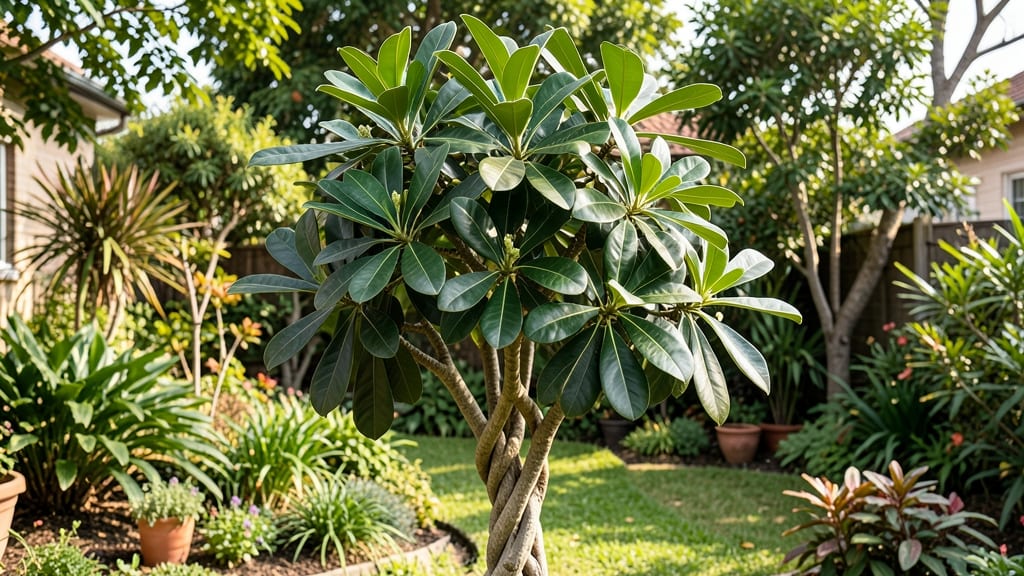
A money tree plant grows 3 to 10 feet tall indoors, depending on care and variety, while outdoors it can reach 10 to 20+ feet in tropical climates.
If you’ve ever imagined your 💰 Money Tree stretching toward the ceiling—or worse, crowding out your living room—you’re not alone. The difference between a compact houseplant and a towering tree often comes down to one thing: where you grow it.
Indoors, most Money Trees stay between 3 and 6 feet with proper pruning, but left unchecked, they can easily hit 10 feet or more. Outdoors in warmer zones, they thrive as small trees, while in cooler areas like USDA Zone 6a, they’ll need winter protection to avoid stunted growth.
Below, I’ll break down how to control your Money Tree’s height—whether you want it to stay shelf-sized or grow into a statement piece—plus the best pruning tips to keep it manageable year-round.

Money tree height limits: indoor growth expectations by age and care
Your money tree (Pachira aquatica) is a slow-growing tropical plant that adapts beautifully to indoor life, but its final height depends entirely on your care routine. Without pruning, these trees can reach 6–10 feet tall indoors—about the height of a standard ceiling fan.
However, with strategic pruning and proper light exposure, you can keep it as short as 3–5 feet, perfect for shelves or small spaces.
The key to controlling height lies in three factors: light exposure, pruning frequency, and pot size. Money trees grow fastest in bright, indirect light (like a north-facing window) but can still thrive in low-light conditions—just expect slower growth.
Let’s explore how your plant’s height evolves year by year based on these care choices.
🌱
In its first year, your money tree will grow 1–2 feet tall if given consistent care. The growth slows slightly in year two to 3–4 feet, but this is where pruning becomes critical.
Without pruning, the plant will stretch toward light sources, potentially reaching 5–6 feet by year three. The real height jump happens after year three—if left unchecked, your money tree can grow 6–10 feet tall indoors, mimicking its outdoor tropical stature.
Light exposure directly impacts growth rate. A money tree in low-light conditions (like a dim corner) may only grow 1–2 feet in 2 years, while one near a south-facing window could hit 4–5 feet in the same time.
The difference? Light triggers faster cell division in the stems. If you notice leggy growth (long stems with sparse leaves), it’s a sign your plant needs more light or pruning to encourage bushiness.
Pruning isn’t just about height control—it’s about shaping your money tree. To keep it under 5 feet, prune the top 2–3 inches of new growth in spring. This stimulates branching, creating a fuller, more compact plant.
For braided varieties, prune just above a leaf node to maintain the braids while slowing vertical growth. Remember: Prune in early spring for best results, as this aligns with the plant’s natural growth cycle.
Pot size plays a surprising role in height control. Money trees in smaller pots (10–12 inches) grow more slowly because their roots are restricted. However, if you want a taller, leggier look (like a bonsai tree), use a larger pot (14+ inches) to encourage upward growth.
The trade-off? Larger pots require more frequent watering and fertilizing to support the increased biomass.
If you’re growing a braided money tree, expect slightly slower height growth compared to standard varieties. The braiding process (tying stems together when young) diverts energy toward stem development, which can reduce vertical growth by 10–20%.
However, braided trees often reach 4–6 feet indoors with proper care, making them ideal for statement pieces without overwhelming small spaces.
🪴
To visualize your money tree’s potential height, imagine this: A 3-year-old unpruned plant will likely be taller than your average kitchen counter (3 feet), while a 5-year-old pruned specimen might only reach your waist (3–4 feet).
For ceiling clearance, aim to prune your plant every 6–8 weeks during its active growing season (spring and summer). This habit keeps it manageable while maintaining that lush, tropical look.
One common mistake gardeners make is waiting too long to prune. If you let your money tree grow 5 feet tall before pruning, you’ll need to cut back 1–2 feet at once to control its height.
This can shock the plant and may result in sparse regrowth. Instead, prune incrementally—just a few inches at a time—to maintain steady, controlled growth.
For those with limited space, consider growing your money tree as a multi-stemmed bush. By pruning the main stem early and encouraging side branches, you can create a 3–4 foot wide plant that’s only 2–3 feet tall.
This approach is perfect for small apartments or offices where vertical space is limited. Just ensure each stem gets adequate light to prevent one side from dominating.
Outdoor money tree growth: tropical climate vs. temperate zones
When you move your money tree (Pachira aquatica) outdoors, its growth potential skyrockets—especially in tropical climates (USDA zones 10–12). Unlike its indoor cousin, an outdoor money tree can reach 10–20+ feet tall with proper care, transforming into a striking focal point.
But before planting, understand the cold-hardiness limits and seasonal adjustments needed to keep it thriving.
Native to South America’s swampy regions, money trees crave warmth and humidity. In temperate zones (USDA 9 and below), they’ll struggle to survive winter frosts unless grown in containers and brought indoors.
Even in ideal climates, outdoor growth depends on soil drainage, sunlight exposure, and pruning habits—all of which we’ll cover to help you plan for your plant’s future height.
⚠️ Outdoor Money Tree Height Warning
A money tree left unpruned outdoors can grow 10–20+ feet tall in 5–10 years, dwarfing most home landscapes. Without regular pruning and training, its woody trunk and dense canopy may become unmanageable. In USDA zones 10–12, expect 3–5 feet of growth per year under ideal conditions.
💡 Pro Tip: If you love its braided varieties, prune annually to maintain a 6–8 foot height—ideal for patios or large containers.
In tropical zones (USDA 10–12), money trees grow fastest with full sun to partial shade (6+ hours daily). Their leathery leaves and sturdy branches make them resilient to coastal winds, but salt spray and poor drainage can stunt growth.
Amend soil with compost and perlite to prevent root rot, and mulch heavily to retain moisture during dry spells.
For temperate zone gardeners, container growing is key. Use large pots (15+ gallons) with drainage holes and overwinter indoors near a sunny window or grow light. Even in mild winters, protect your tree with burlap wraps or frost cloth if temperatures dip below 40°F.
Without these precautions, your money tree may suffer leaf drop or dieback.
Pruning outdoors differs from indoor care. Focus on structural shaping in late spring to encourage airflow and sunlight penetration. Remove dead or crossing branches first, then trim back 1/3 of new growth to promote bushiness.
Avoid heavy pruning in fall—this stresses the plant before winter dormancy. Use sterilized pruners to prevent disease spread.
Seasonal adjustments are critical. In summer (USDA 10–12), water deeply 2–3 times per week and fertilize monthly with a balanced 10-10-10 mix. In fall, reduce watering and stop fertilizing 6 weeks before first frost.
Mulch with wood chips (3–4 inches deep) to insulate roots and retain moisture. With these tweaks, your outdoor money tree will grow healthier and taller—without becoming a nuisance.