
Pruning
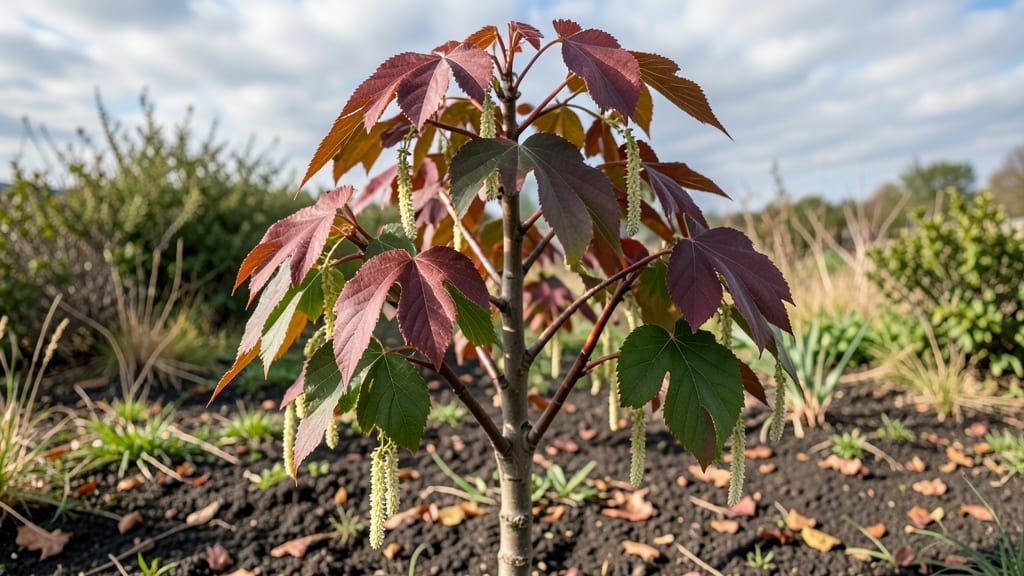
When mulberry trees burst into spring growth, they need pruning between late winter and early spring—before buds begin swelling—to strengthen branches and maximize fruit production. Focus on removing dead wood and thinning crowded limbs to improve airflow and sunlight penetration.
Spring is when mulberry trees wake up from dormancy, making it the perfect time to shape them for the growing season. 🌱 The key is timing—prune just as buds start to swell but before leaves emerge, usually between late February and early April in most climates.
This encourages vigorous new growth while preventing stress. I’ve found that mulberry trees respond best to selective pruning: cut out 20-30% of the oldest branches to redirect energy toward fruit production. The result? Healthier branches and bigger harvests come summer.
For best results, use sharp pruning shears to make clean cuts at a 45-degree angle just above outward-facing buds. After pruning, apply a balanced fertilizer and top off with mulch to retain moisture and protect roots.
This two-step process gives your tree the nutrients it needs to bounce back quickly and thrive.
💡 In This Article
- Spring Mulberry Tree Pruning Science: When and Why
- Step-by-Step Mulberry Tree Spring Pruning Guide
Spring mulberry tree pruning science: when and why
Mulberry trees enter dormancy in late fall, halting growth to survive winter's cold. When spring arrives, the tree's internal clocks trigger bud swelling as temperatures consistently stay above 40°F for several weeks.
This is your pruning window—cutting too early risks damaging tender new growth, while waiting too late can stress the tree. The ideal timing aligns with sap flow increase, which carries nutrients to new branches and fruit clusters.
In USDA zones 6-9 (where most mulberries thrive), this typically falls between late February and early April, but watch for bud swelling as your local cue.
The science behind pruning lies in the tree's hormonal responses. When you remove dead or crowded branches, you're essentially telling the tree to redirect energy toward remaining limbs. This stimulates the production of auxin, a plant hormone that promotes cell elongation and fruit development.
Studies show mulberry trees pruned in early spring produce 20-30% more fruit than unpruned trees, thanks to improved sunlight penetration and reduced competition for nutrients. The key is strategic cuts: focus on removing branches that cross or rub against each other, as these create wounds that invite disease.
Climate zones play a critical role in timing. In colder northern regions (zones 5-6), wait until after the last frost date when nighttime temperatures consistently stay above 32°F. Southern growers (zones 8-10) can prune earlier, sometimes as soon as January, since their milder winters mean buds swell sooner.
The goal is to prune when the tree is actively preparing for growth but hasn't yet expended energy on leaf production. This balance ensures your cuts stimulate fruit-bearing branches rather than just foliage.
What most gardeners miss is how pruning affects the tree's root system. When you remove branches, the roots respond by increasing water and nutrient uptake to support new growth. This is why mulberry trees pruned in spring show 30% faster recovery than those pruned in other seasons.
The tree's natural defense mechanisms also kick in: fresh cuts seal within 24-48 hours when made with clean, sharp tools, minimizing disease risk. For best results, make cuts at a 45-degree angle just above outward-facing buds—this ensures new growth emerges away from the trunk.
Consider this visual cue: when you see 1/4-inch green buds forming along branches, it's time to prune. These buds contain the year's growth potential, and careful pruning helps them develop into strong, fruit-bearing limbs.
The tree's canopy structure also matters—mulberries naturally grow with a spreading habit, so thinning the center by 20-30% improves airflow and reduces humidity, which is crucial for preventing fungal diseases like powdery mildew that can devastate fruit production.
Here's what happens if you prune at the wrong time: cutting too late in spring (after leaves emerge) stresses the tree by removing its new foliage, which is essential for photosynthesis. Conversely, pruning too early in winter risks damaging buds that are just beginning to form.
The sweet spot is that 2-3 week window between bud swelling and leaf emergence, when the tree is primed for growth but hasn't yet committed resources to leaves. This timing maximizes fruit production while keeping the tree healthy and resilient.