
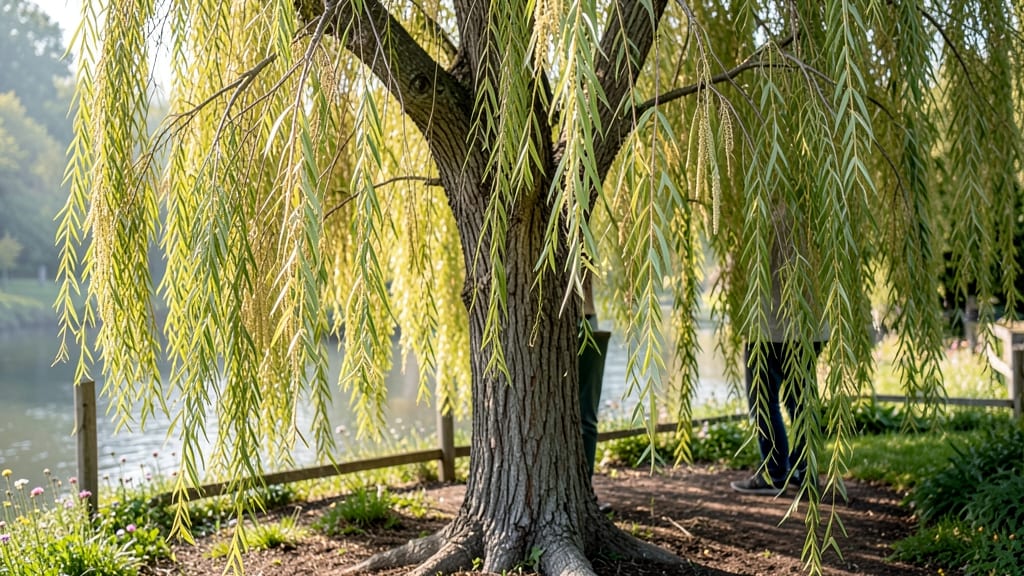
How Tall Do Willow Trees Grow: Fastest-Growing Varieties and Their Skyward Limits

How To

How Tall Do Willow Trees Grow: Fastest-Growing Varieties and Their Skyward Limits

A willow tree can grow how tall does a willow tree grow up to 50 feet or more, depending on the species and growing conditions—making it one of nature’s fastest vertical climbers.

Picture this: a weeping willow 🌳 bending over a pond like a living bridge, or a black willow shooting skyward at 3–6 feet per year. But here’s the catch—some varieties stay compact, while others become urban giants, demanding serious space.

If you’re dreaming of a privacy screen or a dramatic backyard centerpiece, knowing these limits will save you from costly mistakes.

Height isn’t just about genetics—soil moisture, sunlight, and even your local climate play a role. A willow planted in rich, wet soil in zone 6a will tower over one struggling in dry, rocky ground.

And let’s talk pruning: skip it, and you might end up with a 50-foot monster blocking your view—or worse, your roof.

In this guide, I’ll break down the fastest-growing varieties, how to control their height, and the best spots to plant them without turning your yard into a jungle. Ready to grow tall—or stay in control?

Willow Tree Height Range
10 ftto50 ft
0 ft 3 ft 6 ft 9 ft 12 ft
🌱 Very Very Tall Tree

Willow tree height by variety: fastest-growing species and their maximum heights

Willow trees are some of the fastest-growing trees in the world, with certain varieties shooting up 3–6 feet per year under ideal conditions. Their mature heights can range dramatically—from 10 feet for dwarf varieties to 100 feet for giants like the Black Willow.

The right species can transform your landscape into a private oasis or a dramatic focal point, but choosing depends on your space and climate. Let’s explore the tallest, fastest-growing willows and how they compare.

For gardeners with limited space, dwarf or compact varieties like the Pussy Willow (up to 15 feet) offer beauty without the bulk. Meanwhile, those with open land can plant towering Black Willows or Crack Willows, which can reach 70–100 feet in optimal conditions.

Each variety thrives in specific climates—some love humid riverbanks, while others adapt to dry uplands. Let’s break down the key players in the willow height race.

🌳 Visual Comparison: Willow Tree Heights at a Glance

Variety Avg. Mature Height Growth Rate (Per Year) Ideal Climate Best For
Black Willow (Salix nigra) 70–100 ft 3–6 ft Humid, lowland Shade, erosion control
Weeping Willow (Salix babylonica) 30–50 ft 2–4 ft Moist, temperate Privacy screens, ponds
Crack Willow (Salix fragilis) 50–70 ft 3–5 ft Riverbanks, wet soil Wildlife habitat, erosion
White Willow (Salix alba) 40–60 ft 2–4 ft Dry to moist soil Urban landscapes, shade
Pussy Willow (Salix discolor) 10–15 ft 1–2 ft Cold climates, moist soil Small gardens, cut flowers
Purple Osier (Salix purpurea) 10–20 ft 1–3 ft Wetlands, bogs Wetland gardens, wildlife
Golden Willow (Salix alba 'Tristis') 20–30 ft 2–3 ft Moist, well-drained Ornamental, small yards
Sandbar Willow (Salix interior) 15–25 ft

Factors that determine willow tree height: soil, climate, and pruning secrets

Willow trees thrive when given the right conditions, and their height can vary dramatically based on just a few key factors. The soil moisture plays a starring role—willows love water and will grow taller in wet, well-drained soil near ponds or streams.

In contrast, dry soil can stunt their growth by up to 50% of their potential height. Even the sunlight exposure matters: full sun fuels rapid vertical growth, while shade slows it down significantly.

Your local climate zone also dictates how tall your willow will become. In humid regions like the Pacific Northwest, willows can reach their full height potential, while arid climates may limit them to half their expected size.

For example, a Weeping Willow might hit 50 feet in a wet climate but only 25 feet in a drier one. Even the temperature extremes—like late frosts or early heatwaves—can affect their growth rate.

⚠️ Invasive Roots: A Hidden Risk

Willow roots spread aggressively, often 10–20 feet wide for every 1 foot of height. In urban areas, these roots can crack sidewalks, clog sewer lines, or damage foundations. If planting near structures, install a 3-foot-deep root barrier to contain them. Never plant willows near wells or septic systems—their thirsty roots will seek out moisture relentlessly.

Pruning is another game-changer for controlling height. If you want a taller willow, avoid heavy pruning—just remove dead or crossing branches.

But for sprawling varieties like the Corkscrew Willow, strategic pruning in late winter can encourage denser, shorter growth. Over-pruning young trees, however, can shock them and stunt their height permanently. Always prune after flowering to avoid sacrificing next year’s growth.

One common mistake gardeners make is assuming all willows grow the same way. Fast-growing varieties like the Black Willow can add 6 feet per year if given ideal conditions, while slower growers like the Pussy Willow might only reach 10–15 feet at maturity.

To maximize height, focus on consistent moisture, full sun exposure, and minimal pruning during the first few years of growth.

For urban gardeners with limited space, consider dwarf varieties like the Dwarf Pussy Willow, which tops out at 6–10 feet. These are perfect for small yards or containers, though they won’t reach the sky-scraping heights of their larger cousins.

If you’re aiming for a privacy screen, plant multiple willows in a row—their combined canopy will grow faster than a single tree ever could.

Remember, willows are opportunistic growers. Give them the right conditions, and they’ll reward you with dramatic vertical growth. But neglect their needs, and you’ll end up with a stunted, leggy tree that’s prone to disease.

With the right balance of soil, sunlight, and pruning, you can coax your willow to reach its full potential—whether that’s a towering giant or a manageable shade tree.

★★★★★4.7(11 reviews)
Categories How To