
Pruning
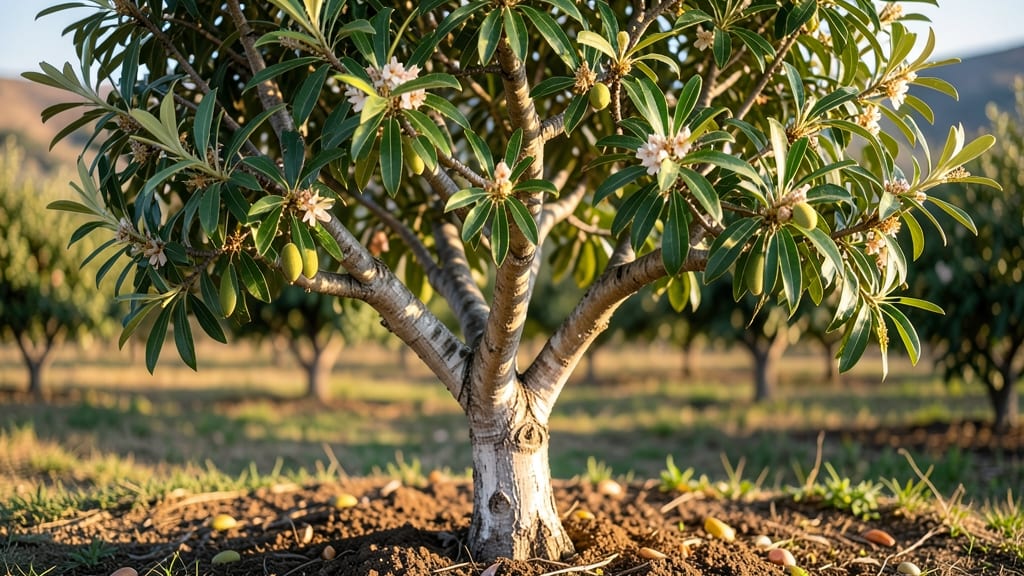
Almond trees grow best in USDA Hardiness Zones 5 through 9, though cold-resistant types like 'Peerless' can survive down to Zone 4. Warmer-climate varieties such as 'Nonpareil' thrive in Zones 7-9. Proper soil drainage and adequate winter chilling hours are essential for healthy growth.
Choosing the right almond tree variety depends on your climate zone and winter conditions. 🌳 For example, northern growers should select 'Peerless' or 'Texas' varieties, which can withstand temperatures as low as -20°F. Meanwhile, southern gardeners might prefer 'Nonpareil' for its heat tolerance and higher yield potential.
Don't forget that microclimates—like sheltered spots near buildings—can push a tree's hardiness zone by 1-2 degrees.
Beyond zone selection, soil preparation plays a critical role. Almond trees demand well-draining soil to prevent root rot, especially in wetter climates. Additionally, most varieties need 400-600 chilling hours annually to produce nuts reliably.
This means gardeners in marginal zones (like Zone 5) should monitor winter temperatures closely to ensure adequate chilling.
💡 In This Article
- USDA Hardiness Zones for Almond Trees: Exact Growing Limits
- Best Cold-Hardy Almond Tree Varieties for Northern Gardens
USDA hardiness zones for almond trees: exact growing limits
Almond trees have precise temperature thresholds that determine their survivability. The USDA Hardiness Zone system categorizes these limits based on average annual minimum temperatures, but almonds require more than just cold tolerance—they need 400-600 winter chilling hours below 45°F to trigger flowering.
For instance, Zone 4 varieties like 'Peerless' can endure -20°F but still need those chilling hours to produce nuts. This is why Zone 5 gardeners might struggle with standard varieties—they may survive winters but fail to fruit without sufficient cold exposure.
Heat tolerance varies dramatically between varieties. Southern almonds like 'Nonpareil' thrive in Zones 7-9 where summers regularly exceed 90°F, while northern types struggle above 85°F for extended periods.
The key difference lies in their genetic adaptations: Southern varieties have thicker bark and deeper root systems to combat heat stress, while cold-hardy types prioritize cold resistance over heat endurance.
Microclimates can shift these limits by 1-3 zones—a sheltered spot in Zone 5 might safely grow a Zone 6 variety if protected from harsh winds.
Soil drainage becomes critical in marginal zones. Wet winters in Zone 5 can drown almond roots, while dry summers in Zone 8 may stress trees without proper irrigation. The ideal soil pH for almonds is 6.0-7.5, and sandy loams prevent root rot that's common in heavy clay soils.
This is why nurseries often recommend raised beds or mounded planting in wetter climates—elevating the root zone by 6-12 inches can make the difference between survival and failure in borderline zones.
Chilling hour requirements create another layer of complexity. A Zone 6 garden might get 500 chilling hours annually, perfect for 'Texas' almonds but insufficient for 'Nonpareil' which needs 600+ hours.
This explains why some Zone 6 growers report poor yields with standard varieties—they're not getting enough winter cold to trigger proper flowering. The solution? Choose varieties matched to your specific chilling hours, or use supplemental chilling techniques like cold storage for young trees.
Extreme weather events further complicate zone selection. A sudden -15°F freeze in Zone 6 can devastate a Zone 7 variety, while prolonged 100°F heatwaves in Zone 8 may stress even heat-tolerant types.
This is why experienced growers in transition zones plant multiple varieties—diversity increases the chance that at least some trees will survive any given year's weather extremes. The trade-off? More varieties mean more maintenance and potential cross-pollination challenges.
What most gardeners overlook is how elevation affects microclimates. A tree planted at 2,000 feet elevation in Zone 6 might experience temperatures 3-5°F colder than one at sea level, effectively pushing it into Zone 5 conditions.
This elevation shift can mean the difference between a thriving almond tree and one that barely survives. Always check local climate data beyond just your zip code's zone designation for accurate planning.