
Pruning
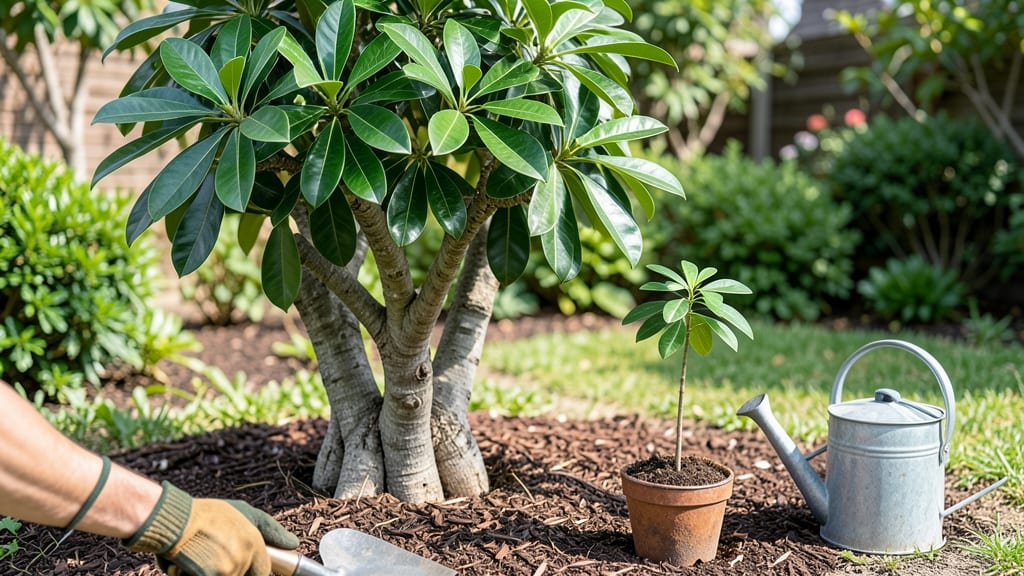
Your money tree planted outside can thrive with the right approach—it’s all about protecting those delicate leaves from frost and harsh winds. 🌿 I’ve kept mine alive through winters by moving it indoors before temperatures drop below 40°F, but there’s a smarter way: use a large container on wheels so you can roll it into a garage or sheltered spot when needed.
The key is mimicking its tropical roots: partial shade in summer and bright, indirect light when indoors. Outdoor money trees need consistent moisture—let the top inch of soil dry before watering—but avoid soggy roots, which lead to root rot.
A thick layer of mulch helps retain moisture and insulates roots during cooler months.
You’ll notice new growth appearing within 4-6 weeks of proper care, with branches staying lush and vibrant. The trade-off? Outdoor exposure can attract pests like spider mites, so keep an eye out for webbing on the undersides of leaves.
A simple spray with water usually clears them up before they cause damage.
If winters are brutal where you live, consider keeping it as a seasonal outdoor plant—bringing it in for the cold months and enjoying its larger size and fuller branches when temperatures rise. Alternatives like the Chinese pistache or ornamental plum offer similar beauty with better cold hardiness.
📚 In This Guide
- What you need
- Instructions
- Tips and common mistakes
- Wrapping up and next steps
What you need
- ● Money Tree Plant: A healthy Pachira aquatica (5-10 ft tall, preferably with established roots).
- ● Large Container or In-Ground Spot: Container Option: A 15-20 gallon pot (minimum 18" diameter) with drainage holes. Terracotta or fiberglass works best.
- ● In-Ground Option: A sunny, sheltered spot with 6+ feet of space (USDA Zones 10-12 only—money trees are tender!).
- ● Well-Draining Soil Mix: 50% Potting Soil (high-quality, organic)
- ● 30% Perlite or Pumice (for aeration)
- ● 20% Coco Coir or Orchid Bark (retains moisture without suffocating roots)
- ● Mulch: 2-3 inches of organic mulch (e.g., shredded bark or pine needles) to retain moisture.
- ● Pruning Shears: Bypass pruners (sharp, clean, and sterilized with rubbing alcohol).
- ● Gloves: Garden gloves (to protect from sap and thorns).
- ● Trowel or Spade: For digging and transplanting (if in-ground).
- ● Watering Can or Hose: With a gentle spray nozzle (avoid blasting roots).
- ○ pH Test Kit: Optional but helpful to check soil pH (6.0-7.0 is ideal).
- ● Zone Suitability: Only for Zones 10-12 (or container-grown in colder climates).
- ● Sunlight: 6+ hours of bright, indirect light daily (morning sun is best).
- ● Temperature: Ideal: 65-85°F (money trees hate frost!).
- ● Winter Prep (Cold Climates): Move indoors or use a frost cloth.
- ● Water Access: Drip irrigation or hose (money trees need consistent moisture but no soggy roots).
- ● Fertilizer: Balanced liquid fertilizer (20-20-20, diluted to half-strength) every 4-6 weeks in growing season.
- ● Support Stakes: If planting in-ground, use 3-4 bamboo stakes for stability.
- ● Misting Bottle: For humidifying leaves in dry climates.
- ● Pruning Sealant: To protect cuts after trimming.
Step-by-step instructions for planting a money tree outside
Here’s how to give your money tree the best shot at outdoor survival—with minimal fuss.
☀️ Step 1: Pick the Perfect Spot
Money trees (Pachira aquatica) need bright, indirect light—think dappled shade under a large tree or a sheltered patio. Direct afternoon sun will scorch the glossy leaves, while deep shade makes branches grow weak and leggy. I always test a spot by placing a similar-sized plant there for a week first. If it thrives, so will your money tree.
Choose a location with some wind protection, like near a fence or building. A gentle breeze is fine, but strong winds will tear the delicate leaves. If you’re in a windy area, I recommend tying the taller branches loosely to a stake for support until roots establish—usually 6-8 weeks after planting.
🪴 Step 2: Prepare the Soil and Plant
Money trees prefer well-draining, slightly acidic soil (pH 6.0-6.5). If your yard soil is heavy clay or sandy, mix in 2-3 inches of compost and a handful of perlite to improve drainage. Dig a hole twice as wide as the root ball but only as deep—planting too deep suffocates roots and causes rot.
Gently remove the plant from its pot and tease the roots apart if they’re circling. Place it in the hole, backfill with soil, and water deeply to settle everything. Press down lightly around the edges to eliminate air pockets, but don’t compact the soil—roots need room to breathe. After planting, I always add a 1-inch layer of mulch (like shredded bark) to retain moisture and keep roots cool.
💧 Step 3: Water and Monitor Moisture
Water deeply once a week—soak the soil until it’s 6 inches down, then let it dry slightly before watering again. Overwatering is the #1 killer of money trees outside; soggy soil leads to root rot and yellowing leaves. To check moisture, stick your finger into the soil: if it feels dry 1 inch down, it’s time to water. If it’s still damp, wait another day.
In the first 2-3 weeks, you’ll need to water more frequently because the plant adjusts to its new home. Watch for wilting leaves—this is your signal to water immediately. But don’t drown it: a money tree that sits in wet soil will drop leaves faster than you can say “bad luck.”
✂️ Step 4: Prune and Protect Through Seasons
Trim back any brown or damaged leaves with clean, sharp scissors to encourage new growth. I also prune leggy branches in early spring to promote bushier, fuller growth. Cut just above a leaf node (the bump where leaves grow) at a 45-degree angle to prevent water from pooling. This keeps the plant compact and prevents weak, floppy branches.
Before winter, bring potted money trees indoors or wrap the base and roots in burlap if leaving them outside. If you’re in a Zone 9 or warmer, they can stay outside year-round, but mulch heavily to insulate roots. In colder climates, I move mine to a garage or unheated shed until temperatures rise above 50°F in spring.
🌿 Step 5: Fertilize and Encourage Growth
Feed your money tree once a month during spring and summer with a balanced liquid fertilizer (10-10-10). Dilute it to half-strength—money trees are sensitive to salt buildup, which burns roots. Stop fertilizing in fall and winter when growth slows. I also add a handful of worm castings to the soil in early spring for a natural nutrient boost.
Watch for new leaves as a sign your tree is happy. Healthy growth means bright green, glossy leaves with no brown edges or yellowing. If leaves start curling or dropping, it’s usually a sign of underwatering, overwatering, or too much direct sun. Adjust your care and monitor closely—money trees are resilient once they’re settled!
Tips & tricks for perfect money tree outdoor planting
Between us, the difference between a thriving money tree and one that struggles outside often comes down to these small but critical details.
Light Testing: Before committing to a spot, place your money tree in the location for a full week first. Watch how the leaves react—if they start wilting or turning yellow, that spot gets too much direct sun. I’ve learned this the hard way after losing two trees to afternoon sunburn in my backyard. Look for areas with morning sun and afternoon shade for the best balance.
Root Establishment: Those first 6-8 weeks after planting are make-or-break for root growth. To give your tree the best start, I recommend adding a slow-release fertilizer tablet to the planting hole before backfilling. This gives roots a nutrient boost while they establish without overwhelming the plant. Also, avoid heavy watering during this period—stick to the weekly schedule to prevent root suffocation.
Seasonal Transition: When preparing for winter in colder climates, don't just move your tree indoors abruptly. First, reduce watering to every 2-3 weeks and stop fertilizing completely. This helps the plant enter dormancy gradually. In spring, when temperatures consistently stay above 50°F, I bring mine back outside gradually—about 2 hours per day for the first week—to avoid shock.
Pruning Timing: Early spring is the perfect time for pruning because it encourages new growth before the active growing season begins. But here's what nobody tells you—always prune after the last frost date in your area. Cold snaps can stress newly pruned branches, so wait until nighttime temperatures stay above 45°F consistently. I mark my calendar for this date each year to avoid making this common mistake.
Pro Tips for Money Tree Planted Outside
- Between us, the difference between a thriving money tree and one that struggles outside often comes down to these small but critical details.
- Light Testing: Before committing to a spot, place your money tree in the location for a full week first.
- Root Establishment: Those first 6-8 weeks after planting are make-or-break for root growth.
Frequently asked questions
Got questions about keeping your money tree (Pachira aquatica) thriving outdoors? You’re not alone—this tropical beauty needs extra care when planted outside. Here are answers to the most common concerns to help your tree stay lush and lucky all year!
Can a money tree survive outside year-round in cold climates?
A money tree is not frost-hardy and will struggle in temperatures below 40°F (4°C). If you live in a cold zone, bring it indoors before winter or grow it in a large, insulated pot that you can easily move. For true outdoor year-round growth, limit planting to USDA Zones 10-12 (or similar mild climates).
What’s the best way to protect my money tree from winter damage?
If you can’t move your tree indoors, wrap the pot and roots in bubble wrap or frost cloth to insulate them. Add a thick layer of mulch (straw or leaves) around the base to shield roots. Avoid watering in winter—let the soil dry out to prevent root rot. A south-facing wall can also provide extra warmth.
Will my money tree grow faster if I plant it directly in the ground?
Not necessarily! Money trees prefer well-draining, slightly acidic soil (pH 6.1–7.5) and don’t tolerate soggy roots. Planting in containers gives you control over soil quality and drainage. If you must plant outdoors, choose a sheltered spot with partial shade and amend the soil with perlite or compost to improve aeration.
Why are the leaves turning yellow or dropping?
Yellow leaves usually signal overwatering, underwatering, or nutrient deficiencies. Check the soil—it should be slightly moist but never soggy. Brown edges? Low humidity or fluoride in tap water could be the culprit. Trim affected leaves and adjust care: mist leaves or use a pebble tray for humidity, and fertilize lightly with a balanced liquid fertilizer every 2–3 months.
Are there cold-hardy alternatives to the money tree?
If you love the look but hate the fuss, try these low-maintenance, cold-tolerant plants with similar vibes:
- Ficus elastica (Rubber Plant) – Thrives in Zones 9–11; glossy leaves add drama.
- Schefflera (Umbrella Plant) – Handles Zones 10–11; great for containers.
- Dracaena marginata (Dragon Tree) – Survives brief dips to 30°F (-1°C) with protection.
- Olive Tree (Olea europaea) – Zone 8–11 hardy; drought-tolerant and elegant.
Wrapping up and next steps
Planting a money tree outside is a rewarding adventure that blends creativity with nature! 🌿 With the right care—like proper pruning, seasonal adjustments, and protection from harsh weather—your Crassula ovata can thrive year-round. Remember, patience and consistency are key, so don’t rush the process.
Ready to give your money tree the love it deserves? Start small:
- Pick a sunny spot (but avoid scorching midday sun).
- Use well-draining soil and a cozy pot or ground bed.
- Check in weekly for water, pests, or overgrowth.