
Planting
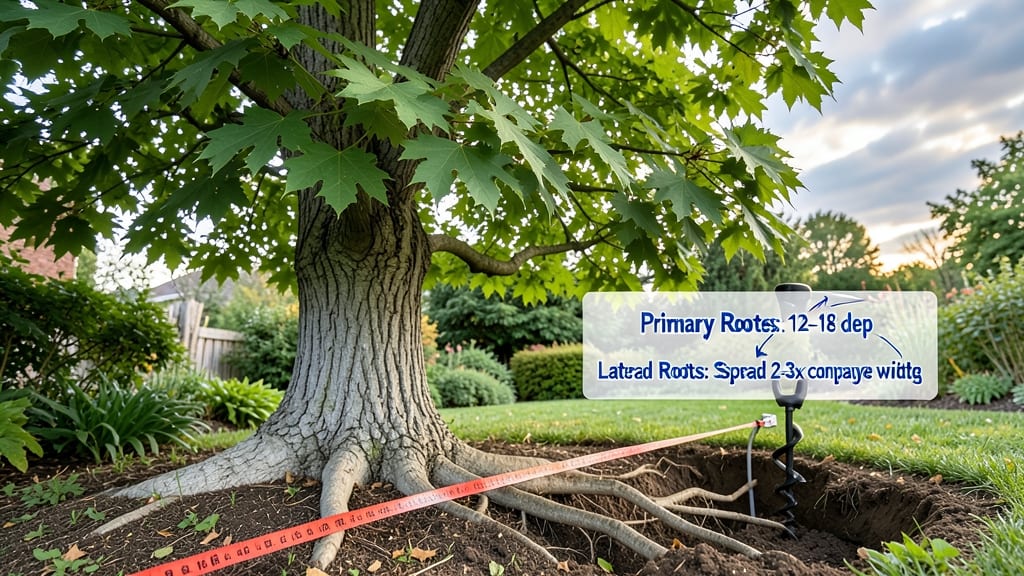
Maple tree roots can stretch 3 to 5 feet deep and spread twice as wide as the tree’s canopy, making them a landscaping powerhouse—and a potential headache if you’re not prepared.
Picture this: you’ve just planted your dream 🌳 Maple Tree, only to watch it slowly crack your driveway or outcompete your prized roses. The key to avoiding these scenarios? Understanding how deep those roots really go—and how fast they grow.
Most homeowners underestimate just how aggressive maple roots can be, especially in USDA Zone 6a where they thrive. A mature sugar maple, for example, can have roots extending up to 50 feet out from the trunk, while silver maples grow even faster but shallower.
That’s why planting too close to sidewalks or foundations can turn your yard into a root warzone.
In this guide, I’ll break down the exact root depth by species, how to plant safely near structures, and the 3 signs your maple’s roots are causing trouble—so you can enjoy your tree without the surprises.
Maple tree root depth by species: how far down they grow
Planting a maple tree in your yard means understanding its root system—because those roots determine whether your new tree thrives or struggles. Maple tree roots grow differently depending on the species, age, and growing conditions.
For example, a sugar maple develops a deep, taproot system, while a silver maple spreads wide and shallow. Knowing these differences helps you avoid damaging sidewalks, foundations, or nearby plants.
Most gardeners assume all maple trees have similar root structures, but that’s a common misconception. The root depth and lateral spread vary significantly between species. Young trees have shallower roots, while mature maples can send roots 6-10 feet deep or spread 30-50 feet wide.
This variation is why proper spacing and soil preparation are critical before planting.
| Species | Mature Root Depth | Lateral Spread | Key Notes |
|---|---|---|---|
| Sugar Maple | 6-10 feet | 30-50 feet | Deep taproot; slow lateral spread |
| Silver Maple | 3-6 feet | 40-60 feet | Shallow roots; aggressive spread |
| Red Maple | 4-8 feet | 35-50 feet | Moderate depth; adaptable to wet soils |
If you’re planting a sugar maple, expect its roots to grow 6-10 feet deep at maturity, with a lateral spread of 30-50 feet. This species develops a strong taproot early on, which makes it more stable but less adaptable to compacted soils.
In contrast, silver maples have shallow roots that spread aggressively, often 40-60 feet wide, making them less ideal for small yards or urban landscapes.
The red maple falls somewhere in between, with roots reaching 4-8 feet deep and spreading 35-50 feet. This adaptability makes it a popular choice for wetter soils or areas where other maples struggle.
However, all maple species compete fiercely for water and nutrients, so avoid planting them too close to lawn grasses or shallow-rooted perennials.
Young maple trees have shallow root systems compared to mature specimens. For the first 3-5 years, their roots rarely exceed 3 feet deep, but they spread laterally to match the tree’s canopy width.
This is why young maples are more vulnerable to windthrow and require staking in exposed areas. As they mature, their root systems deepen significantly, especially in well-drained soils.
Soil type plays a huge role in root depth. In loamy soils, maple roots penetrate deeper due to better aeration and drainage. However, in clay-heavy or compacted soils, roots may stay shallower and spread wider to access moisture.
If your yard has poor drainage, consider amending the soil with compost or planting in raised beds to encourage deeper root growth.
When planning your landscape, account for the mature root spread of your maple tree. For example, a silver maple planted near a driveway risks lifting pavement as its roots expand. Always plant maples at least 20-30 feet away from structures, sidewalks, or foundations.
If space is limited, opt for dwarf varieties like 'Autumn Blaze', which have more controlled root systems.
Another key factor is the competition from nearby plants. Maple trees are heavy feeders and will outcompete shallow-rooted plants like hostas or daylilies for water and nutrients.
To protect your garden beds, install a root barrier (like buried plastic or metal sheets) at least 2 feet deep around the perimeter of your maple’s planting area.
If you’re unsure about your soil conditions, conduct a simple soil test before planting. This helps determine drainage and nutrient levels, which directly impact root development. For most maples, aim for a slightly acidic to neutral pH (6.0-7.0) and well-draining soil.
Amending with organic matter like compost or aged manure can improve root penetration and overall tree health.
Understanding maple tree root depth isn’t just about avoiding damage—it’s about creating a thriving ecosystem. Proper spacing, soil prep, and species selection ensure your maple grows strong and beautiful for decades. Now that you know how deep those roots go, you’re ready to plant with confidence! 🌳
Safe planting distances: how close can you plant near maple trees?
When planning your landscape, knowing how deep are maple tree roots helps you avoid costly mistakes like foundation cracks or sidewalk damage. Maple roots spread aggressively, especially in search of water and nutrients.
For mature trees, roots can extend 3-5 times the canopy width horizontally and reach depths of 3-6 feet—sometimes deeper in dry climates. This means planting too close can lead to competition for resources or structural issues.
Your safe planting distances depend on what you're planting and its maturity stage. Shrubs and perennials can often thrive within 10-15 feet of a mature maple, while other trees should stay at least 20 feet away to prevent root entanglement.
For structures like sidewalks or driveways, maintain a minimum 10-foot clearance from the trunk to reduce cracking risks.
For young maple trees (under 5 years old), you can plant closer—5-10 feet for shrubs and 15 feet for other trees—since their roots haven’t fully expanded. However, always monitor for signs of stress like yellowing leaves or stunted growth in nearby plants.
If you’re unsure, err on the side of caution and give your maple more space.
Another key factor is soil type. In clay-heavy soils, maple roots may grow shallower (2-4 feet deep) but spread wider, increasing the risk to nearby plants.
Amend the soil with compost or sand to encourage deeper root growth and reduce lateral spread. This simple step can make a big difference in your landscape’s long-term health.
If you’re planting near a maple’s dripline (the edge of its canopy), be extra cautious. This is where the most aggressive roots develop. For example, a 20-foot-tall maple will have a dripline spanning 20-30 feet, so avoid planting anything permanent within that zone.
Instead, opt for ground covers like creeping thyme, which tolerate shade and competition.
Pro tip: Install a root barrier (a buried plastic or metal barrier) if you must plant closer than recommended. This won’t stop all root growth but can redirect roots downward and reduce surface damage.
Just ensure the barrier is at least 3 feet deep and extends 1-2 feet beyond the planting area.