
Pests
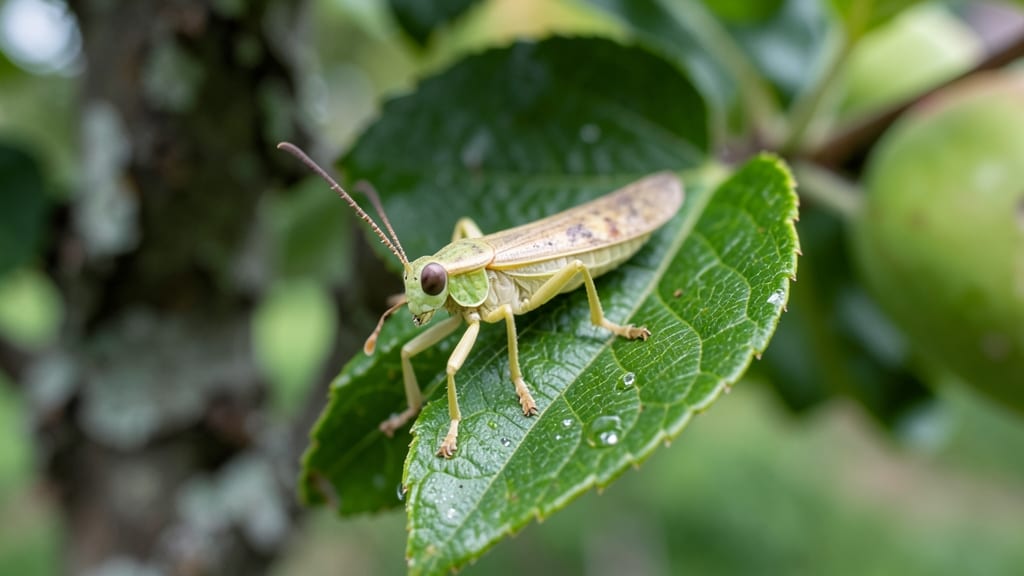
When tiny holes or sticky residue appear on your apple tree leaves, those insects are already stealing your harvest. 🌿 I’ve battled aphids, mites, and tent caterpillars—each leaving telltale signs like curled leaves or skeletonized foliage—and learned which organic sprays work fastest without harming bees or beneficial bugs.
The key is acting early: most pests thrive in dry, hot weather, so check leaves weekly starting in early summer.
A simple neem oil spray or soapy water mix (1 tsp mild soap per quart of water) knocks out aphids and mites within days, while Bt (Bacillus thuringiensis) targets caterpillars safely. For severe cases, repeat treatments every 5–7 days until new growth appears.
You’ll see results in 3–5 days with consistent spraying—leaves unfurling, fewer eggs, and no more sticky honeydew. The best part? These solutions prevent future infestations by strengthening the tree’s natural defenses, so next season’s harvest stays crisp and blemish-free.
If the infestation covers more than half the tree or you spot sawdust-like frass (a sign of borers), call an arborist—some pests need professional-grade tools. But for 90% of cases, these organic fixes work like magic.
Root Causes of Leaf Invaders
If your apple tree leaves are becoming a buffet for unwanted guests, understanding the why behind their presence is the first step toward reclaiming your orchard. Insects don’t just show up randomly—they’re drawn to specific conditions that make your tree an easy target.
Below, we break down the most common reasons these tiny troublemakers take up residence on your apple tree leaves, along with the science behind their behavior.
Apple trees, like all plants, rely on a complex network of chemical defenses to fend off pests. When these defenses are compromised, insects smell an open invitation. Here’s what weakens your tree’s armor:
- Nutrient Deficiencies:
Trees lacking essential nutrients—especially nitrogen, phosphorus, or potassium—produce weaker leaves that are easier for insects to penetrate. For example, aphids thrive on soft, nutrient-poor leaves because they can’t extract enough sap efficiently from healthy foliage. A simple soil test can reveal if your tree is malnourished.
- Water Stress:
Overwatering or drought can stress your tree, making it more susceptible to infestations. Root maggots and leafrollers target stressed trees because their weakened vascular system makes it easier for larvae to feed on roots or burrow into leaves.
Aim for 1–1.5 inches of water per week (including rainfall) to keep your tree hydrated but not soggy.
- Disease or Fungal Infections:
Fungal diseases like apple scab or powdery mildew create ideal conditions for secondary pests. For instance, woolly aphids are often found on trees already infected with sooty mold, which thrives on honeydew (the sticky residue left by sap-sucking insects). Organic fungicides like neem oil can help break this cycle.
Actionable Fix: Start with a balanced fertilizer (look for NPK ratios like 10-10-10) and monitor your tree’s water needs. Healthy leaves are less appealing to pests!
Insects are opportunists—they’re drawn to environments that provide shelter, food, and easy access to your tree. Your apple tree’s microclimate might be unintentionally creating a five-star resort for pests. Here’s what’s making your tree their favorite hangout:
| Factor | How It Attracts Pests | Common Culprits |
|---|---|---|
| Overcrowded Branches | Tight foliage traps heat and moisture, creating a humid microclimate that pests love. Mites and scale insects thrive in these conditions because they can’t survive in dry, airy spaces. | Spider mites, scale insects |
| Lack of Beneficial Predators | Natural enemies like ladybugs, lacewings, and parasitic wasps keep pest populations in check. Without them, soft-bodied insects like caterpillars and leafhoppers multiply unchecked. | Codling moth larvae, aphids |
| Weedy or Unkempt Orchard | Grass, weeds, and fallen leaves provide hiding spots for pests and their eggs. For example, apple maggots lay eggs near the base of trees in mulch or grass clippings. | Apple maggots, borers |
Actionable Fix:
- Prune your tree to improve airflow—remove 10–20% of dense branches annually.
- Introduce beneficial insects like Trichogramma wasps (they parasitize codling moth eggs).
- Keep the base of the tree clear of debris and mulch 2–3 inches away from the trunk.
Insect activity isn’t random—it’s tied to seasonal changes, weather patterns, and even your local ecosystem. Understanding these triggers can help you predict and prevent outbreaks before they start.
- Spring Emergence:
As temperatures rise, overwintering pests (like san Jose scale or apple curculio) wake up from dormancy and seek fresh foliage. Early spring is prime time for aphid infestations because they reproduce rapidly in warm, moist conditions.
- Summer Heat and Drought:
Hot, dry weather stresses trees, making them more vulnerable to borers and leafminers. These pests target weakened wood or leaves, laying eggs in cracks or undersides where moisture lingers.
- Fall Fruit Drop:
When apples fall prematurely, they create entry points for apple maggots and codling moths, which burrow into the fruit. Additionally, fallen leaves become a breeding ground for fungal spores and pest eggs over winter.
- Monoculture Farming:
Planting only apple trees in a row creates a pest paradise. Insects like woolly apple aphids spread rapidly because there’s an endless food source with no natural barriers.
Actionable Fix:
- Install tree wraps in early spring to deter egg-laying pests like apple curculio.
- Use row covers during peak flight seasons (e.g., codling moth season) to block adult insects.
- Plant diverse companion plants like herbs (mint, basil) or flowers (dill, alyssum) to attract predator insects and disrupt pest cycles.
Pro Tip: 🔍 Scout your tree regularly—check the undersides of leaves, buds, and fruit clusters for early signs of pests. Catching infestations in the egg or larval stage is far easier to manage than a full-blown outbreak!
Quick Fixes for Leaf-Crawling Pests
Finding insects on your apple tree leaves can feel like a losing battle—until you know the right moves. The good news? Most leaf-dwelling pests respond well to targeted, organic solutions when you act fast.
Below, we’ve mapped out the best fixes for common culprits, from aphids to mites, plus long-term prevention to keep your tree thriving. No harsh chemicals needed!
Signs: Sticky residue, curled leaves, clusters of tiny green/black bugs. Why it happens: These sap-suckers thrive in new growth and weak trees. #### 🔥 Immediate Action (1–3 Days) - Blast them off 💦: Use a strong stream of water from your hose (early morning or late evening) to dislodge aphids. Repeat every 2–3 days for heavy infestations. - Neem oil spray 🌿: Mix 1 tbsp neem oil + 1 tsp mild soap + 1 quart water. Spray undersides of leaves (where aphids hide) and repeat weekly until gone. #### 👨🍳 Long-Term Defense - Introduce predators 🐞: Ladybugs, lacewings, and parasitic wasps love aphids. Buy them online or attract them with native plants like dill or yarrow. - Prune & clean ✂️: Trim heavily infested branches and dispose of them in sealed bags. Rake up fallen leaves to remove egg-laying sites. Signs: Fine webbing, speckled/yellowing leaves, tiny moving dots. Why it happens: Dry heat and dusty leaves create the perfect mite paradise. #### 🍳 Organic Spray Recipe - Oil spray 🛢️: Combine 2 tbsp horticultural oil + 1 tsp castile soap + 1 gallon water. Spray thoroughly (mites hide on leaf undersides). Reapply every 5–7 days for 2–3 weeks. - Diatomaceous earth 🪨: Lightly dust leaves (avoid flowers) to dehydrate mites. Reapply after rain. #### 🌡️ Prevention Tips - Boost humidity 💧: Mites hate moisture. Use a sprinkler to mist leaves on hot days or group plants to create shade. - Dust regularly 🧹: Wipe leaves with a damp cloth to remove dust, which mites feed on. Signs: Webby tents, defoliation, fuzzy brown caterpillars. Why it happens: These hairy pests overwinter in tree bark and emerge in spring. #### ⏰ Timing Is Key - Remove nests manually 🪓: Wear gloves and pruners to snip off tents (drop them in soapy water). Do this in early spring before caterpillars pupate. - Bacillus thuringiensis (Bt) 🦠: A natural bacteria that kills caterpillars but spares bees. Spray when nests are small (follow label rates). #### 🎯 Proactive Steps - Disrupt their cycle 🔄: Scrape egg masses off bark in late fall/winter (they look like tiny black specks). - Encourage birds 🐦: Robins and chickadees devour tent caterpillars. Install a bird feeder nearby! Signs: Bumpy, shell-like bumps on stems/leaves, honeydew (sticky drips). Why it happens: These immobile pests latch onto sap and multiply undetected. #### 🔪 Scrape & Scrub - Physical removal 🧼: Soak a cloth in rubbing alcohol and wipe off scales. Repeat every 3–4 days for 2 weeks. - Horticultural vinegar spray 🍶: Mix 1 part white vinegar + 3 parts water + 1 tsp soap. Spray directly on infested areas (test on a small leaf first). #### ✨ Prevention Tricks - Keep trees healthy 💪: Well-watered, balanced trees resist pests. Apply compost annually to strengthen roots. - Monitor regularly 👀: Check bark crevices and leaf axils (where scales hide) every 2 weeks during growing season. Want to avoid future infestations? Follow these year-round habits: - Mulch properly 🌱: Use organic mulch (wood chips, straw) to retain moisture and deter pests. - Rotate sprays 🔄: Avoid using the same treatment repeatedly—pests adapt! Alternate between neem, insecticidal soap, and Bt. - Plant companion crops 🌿: Marigolds, garlic, and chives repel many leaf pests. Interplant near your apple tree. - Inspect new plants 🛒: Quarantine newly purchased trees for 2 weeks to catch hitchhiking pests early.Remember: The key to organic pest control is consistency. Most infestations clear up within 2–4 weeks with diligent treatment. If problems persist, consider a soil test—nutrient deficiencies can weaken trees and invite pests. Happy spraying!
Frequently asked questions
What do tiny white specks on apple leaves mean?
Those specks are likely aphid eggs or scale insect shells, both common in early spring. Check the undersides of leaves—if you see sticky residue (honeydew), it’s aphids. Scrape off eggs with a fingernail or spray with neem oil to prevent hatching. Act fast, as nymphs emerge within 2 weeks.
Why do my apple tree leaves look skeletonized?
Skeletonized leaves (with veins intact but holes everywhere) are a classic sign of leafminers or caterpillars. These pests tunnel through leaf tissue. For organic control, apply Bacillus thuringiensis (Bt) spray when you first spot damage. Remove heavily damaged leaves to starve larvae of food.
Can I use dish soap to kill insects on apple leaves?
Yes, but use mild, unscented castile soap (like Dr. Bronner’s) mixed with water (1 tsp per quart). This disrupts insect cell membranes without harming your tree. Spray in the early morning to avoid burning leaves in sunlight. Reapply every 3–5 days for heavy infestations like aphids or mites.
How do I know if my apple tree has mites vs. aphids?
Check for fine webbing (mites) or sticky residue (aphids). Mites cause yellow speckling and thrive in dry heat, while aphids cluster on new growth. For confirmation, hold a white sheet under leaves and shake—mites scatter quickly, while aphids crawl slowly. Treat mites with oil sprays; aphids respond to soapy water.
When should I call an arborist for apple tree pests?
Consult a pro if you see borer holes, large-scale defoliation, or fruit drop—these often signal severe infestations like codling moths or borers. Also call if organic methods fail after 4 weeks of consistent treatment. Arborists can assess soil health, fungal issues, or systemic pests (like fire blight) that DIY fixes can’t handle.