
Pruning
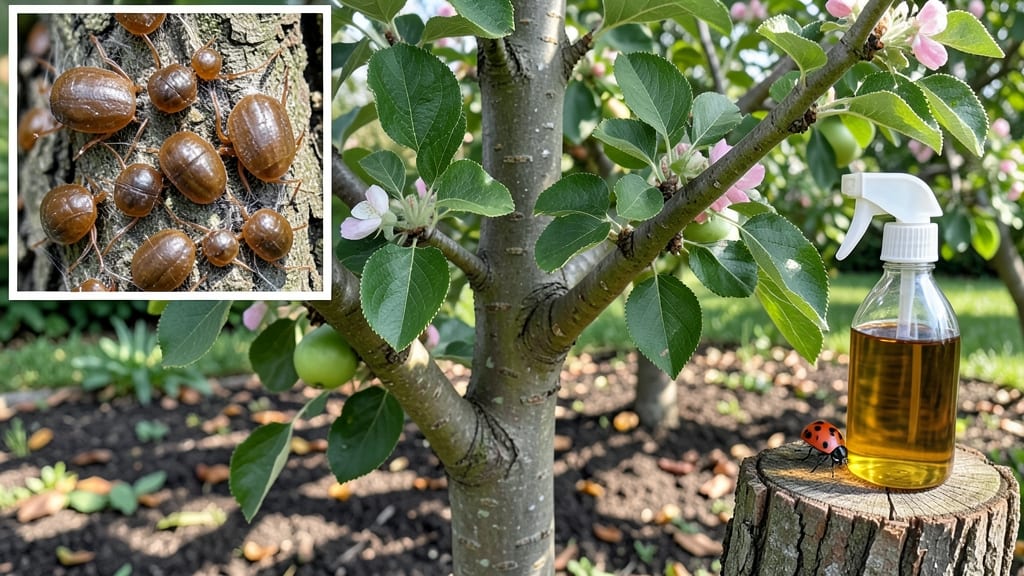
Apple tree scale turns your orchard into a sticky mess if you ignore it. 🌳 I’ve seen this armored pest turn vibrant fruit trees into sad, stunted shadows—until I learned the 3-step organic spray that stops infestations within weeks.
The secret isn’t harsh chemicals but timing, the right oil mix, and knowing when to strike.
Most gardeners spot scale too late when the tree’s leaves look like they’ve been dusted with white sugar. That’s the armor—tiny shells protecting sap-sucking bugs that leave behind a sticky residue called "honeydew."
My trees went from struggling to thriving after just two applications of the homemade spray, and the best part? No more sticky footprints on my patio.
By the end of this, you’ll recognize the early signs, mix a spray that works faster than store-bought remedies, and keep your tree healthy without repeating last season’s mistakes. The key is acting before the scale population explodes—once they’re established, even organic methods take longer to fix.
Works for any apple variety, from dwarf trees to full-size orchards. Let’s get your tree back to producing crisp, sweet fruit instead of hosting an invisible pest party.
Understanding the root causes
Apple tree scale—those pesky, armored insects—don’t just appear out of nowhere. Their infestation is usually a response to specific environmental and biological triggers. By understanding these causes, you can take proactive steps to prevent or manage them effectively.
Scale insects are opportunistic pests. When an apple tree is under stress, it emits chemical signals that attract them—almost like a distress beacon. Here’s why this happens:
- Drought or Poor Watering Scale insects thrive when trees aren’t getting enough water. Drought-stressed trees produce less sap, making them easier targets. Their weakened defenses also make it harder to repel pests naturally. - Actionable tip: 💡 Ensure consistent moisture, especially during dry spells.
Deep watering (1–2 inches per week) keeps trees resilient.
- Nutrient Deficiencies Trees lacking essential nutrients (like nitrogen, potassium, or micronutrients) grow slowly and produce weak bark—perfect hiding spots for scale.
Yellowing leaves or stunted growth are red flags. - Actionable tip: 🌡️ Conduct a soil test and amend with compost or organic fertilizers (like fish emulsion) to bolster tree health.
- Physical Damage or Disease Wounds from pruning, hail, or fungal infections create entry points for scale. Once established, they multiply rapidly in damaged areas.
- Actionable tip: ✨ Prune during dormancy (late winter) to minimize stress, and treat fungal issues (like apple scab) promptly with copper sprays.
Scale spreads quickly in dense plantings because: - Lack of Air Circulation Tightly packed trees retain humidity, creating ideal conditions for scale eggs to hatch and nymphs to thrive.
Poor airflow also slows down natural predators (like ladybugs or parasitic wasps). - Actionable tip: 🌿 Thin out branches or consider spacing trees 15–20 feet apart to improve airflow.
- Previous Infestations Scale insects leave behind eggs on bark, leaves, and even tools. If a tree was infested last season, it’s likely to repeat unless thoroughly cleaned.
- Actionable tip: 🔪 Sterilize pruning tools with rubbing alcohol between trees, and remove heavily infested branches during dormancy.
Scale populations explode under specific weather conditions:
- Mild Winters Cold winters (below 20°F) can kill scale eggs, but warming climates are extending their survival. If winters are too mild, infestations persist year-round.
- Actionable tip: 🌡️ Monitor winter temperatures and consider protective covers for young trees in borderline climates.
- Hot, Dry Summers While drought weakens trees (as mentioned earlier), it also forces scale to cluster tightly on branches to conserve moisture. This makes them easier to spot and treat.
- Actionable tip: 💦 Use drip irrigation to keep roots hydrated without wetting foliage (which can spread disease).
- Early Spring Warmth Scale nymphs hatch when temperatures rise above 50°F. If spring arrives early, they get a head start before natural predators wake up.
- Actionable tip: ⏰ Time your organic sprays (like horticultural oil) for early spring (just before bud break) to catch nymphs before they mature.
Even well-meaning gardeners can unintentionally spread scale: - Moving Infested Plants or Tools Scale eggs hitchhike on pruners, clothing, or even firewood.
If you bring an infested cutting or tool to a clean orchard, you’re inviting trouble. - Actionable tip: 🧼 Always inspect new plants for scale before introducing them to your garden.
- Improper Pruning Practices Heavy pruning in growing season stresses trees and leaves sticky residue (called “honeydew”) that attracts scale. Plus, jagged cuts invite infestations.
- Actionable tip: 👨🍳 Prune in late winter/early spring (dormant season) and seal cuts with pruning sealant if needed.
Understanding these causes isn’t just about reacting—it’s about preventing scale before it becomes a full-blown crisis. The next section will cover how to disrupt their life cycle with targeted, organic solutions.
Quick Fixes for Apple Tree Infestations
Apple tree scale infestations can feel overwhelming, but with the right approach, you can restore your tree’s health—naturally and effectively. Below are targeted solutions tailored to the root causes of scale buildup, from immediate fixes to long-term prevention. Let’s tackle this step by step!
If your tree is already covered in scale, manual removal is your first line of defense. Scale insects attach themselves to branches, leaves, and bark, so you’ll need to physically dislodge them.
How to do it:
- 👨🍳 Gather tools: Wear gloves, grab a stiff brush (or an old toothbrush for detailed work), and have a bucket of soapy water ready.
- 🥘 Scrub branches: Focus on heavily infested areas, especially younger branches and leaf undersides. Scrubbing disrupts their protective shell and washes them away.
- ⏰ Time it right: Do this in early spring (before buds swell) or late fall (after leaf drop) for maximum effectiveness.
💡 Pro Tip: Prune severely infested branches back to healthy wood—this removes scale hotspots and improves airflow, reducing future outbreaks.
Chemical sprays can harm beneficial insects and the environment, but organic alternatives work just as well. Here’s how to use them effectively:
| Solution | How to Apply | Best Time to Use |
|---|---|---|
| Neem Oil Spray | Mix 1 tbsp neem oil + 1 tsp mild soap in 1 quart water. Spray thoroughly. | Early spring or late summer |
| Horticultural Oil | Apply when temps are above 40°F but below 90°F. Covers scale insects in a suffocating film. | Dormant season (winter/early spring) |
| Insecticidal Soap | Spray directly on scale insects—avoid direct sun to prevent leaf burn. | Active infestation (spring/summer) |
| Diatomaceous Earth | Dust lightly on branches (avoid overapplying—it can harm soil microbes). | Dry conditions (scale is vulnerable) |
✨ Prevention Boost: Reapply sprays every 7–14 days during peak scale activity (spring to early summer). Always spray in the early morning or evening to avoid harming bees.
A healthy tree is less attractive to pests. Focus on these key strategies to make your apple tree resilient:
- 💪 Water deeply but infrequently: Scale thrives in stressed trees. Water at the base (not overhead) to encourage deep root growth. - 🍎 Fertilize wisely: Use a balanced organic fertilizer (like compost or fish emulsion) in early spring.
Avoid over-fertilizing—it weakens trees. - 🌿 Mulch properly: Apply 2–3 inches of organic mulch (wood chips, straw) around the base to retain moisture and regulate soil temperature.
🎯 Long-Term Tip: Introduce beneficial insects like ladybugs or parasitic wasps (e.g., Aphytis melinus), which prey on scale naturally. Purchase them from garden centers or attract them with diverse plantings.
Scale insects lay eggs that hatch into crawlers—tiny, mobile nymphs that spread infestations. Stop them before they take hold:
- 🍎 Monitor regularly: Inspect your tree weekly during growing season.
Look for white cottony masses (scale eggs) or sticky residue (honeydew). - 🌿 Remove debris: Clean up fallen leaves and fruit mummies where scale overwinters. - 🚫 Quarantine new plants: If you’re adding trees or saplings, inspect them for scale before introducing them to your orchard.
🔥 Emergency Measure: If scale returns year after year, consider dormant oil sprays in late winter. This smothers overwintering eggs before they hatch.
By combining manual removal, organic sprays, and tree care, you’ll not only eliminate current infestations but also create an environment where scale insects can’t thrive. Stay consistent, and your apple tree will bounce back stronger than ever!
Frequently asked questions about apple tree scale
What does apple tree scale look like up close?
Apple tree scale appears as tiny, armored bumps (about 1/16-inch) that look like white or gray specks stuck to branches and leaves. Under magnification, you’ll see their waxy, protective shells—like tiny shields. They often cluster on younger growth or leaf undersides, leaving behind a sticky residue called "honeydew."
How do I know if my tree has scale vs. another pest?
Scale insects are immobile and leave behind a white, waxy coating, while aphids are soft-bodied and move when disturbed. If you see black sooty mold growing on leaves (from honeydew), that’s a classic scale sign. Ants trailing on branches? That’s another clue—they farm scale for honeydew. Unlike spider mites, scale doesn’t create webbing.
Can I use vinegar spray to kill apple tree scale?
No, vinegar is too harsh for apple trees—it can burn leaves and bark. Instead, use a 1% horticultural oil mixed with water (1:1 ratio) or insecticidal soap. Apply in early morning/evening to avoid harming bees. The key is suffocating the scale, not shocking the tree with acid.
Will pruning alone eliminate apple tree scale?
Pruning helps by removing heavily infested branches, but it’s not enough on its own. You must combine it with organic sprays (like neem oil) to kill remaining scale. Focus on cutting back to healthy wood in dormant season (late winter) when scale populations are lowest. Always sterilize tools with rubbing alcohol between cuts.
How often should I check my apple tree for scale?
Inspect your tree weekly during growing season (spring to early summer) and monthly in fall/winter. Look for white bumps, sticky residue, or ants on branches. Early detection is critical—scale multiplies rapidly when left unchecked. Use a magnifying glass if needed to spot tiny crawlers before they mature.