
Companion Plants
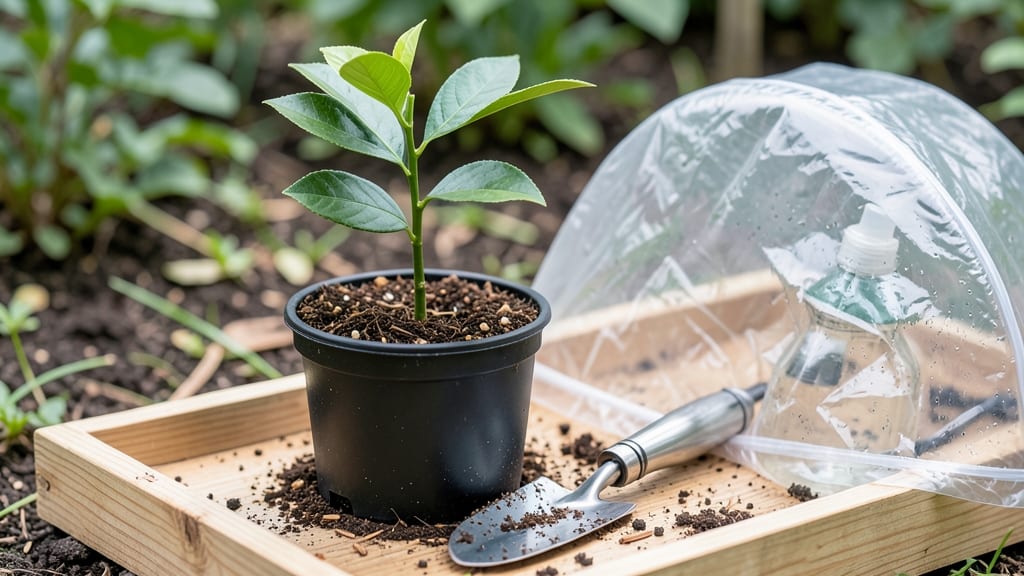
You can grow an orange tree from an orange seed, but the tree will likely produce bitter, inedible fruit that won't resemble the parent variety. Success hinges on climate, soil conditions, and patience—dwarf citrus varieties like 'Calamondin' or 'Improved Meyer' offer better fruit potential when grown from seed, though grafting remains the most reliable method for true-to-type fruit production.
Growing citrus from seed is more about the adventure than the harvest. 🌱 The seeds you save from store-bought oranges come from hybrid varieties bred for taste and appearance—not for seed propagation.
Most seed-grown trees develop into what we call "sour orange" types, producing small, tart fruit that's great for marmalade but not fresh eating. That said, if you're in USDA zones 9-11 with well-draining soil, you can absolutely try!
The key is selecting the right seed source—dwarf varieties like 'Calamondin' or 'Improved Meyer' have higher success rates for both germination and fruit production, though their fruit may still differ from grocery store oranges.
Here's the secret: the best results come from seeds saved from heirloom or open-pollinated citrus varieties, not commercial hybrids. I've found that starting seeds indoors in late winter—using a heat mat to keep soil at 75-80°F—gives them the best head start.
Once seedlings reach 6 inches, transplant them to larger pots with sandy, well-draining soil and move them outdoors only after all frost danger has passed. Even then, young trees need protection from cold snaps, which is why container growing works so well for many backyard citrus enthusiasts.
💡 In This Article
- Why Store-Bought Orange Seeds Rarely Yield Edible Fruit
- Best Citrus Varieties for Seed-Grown Dwarf Trees
Why store-bought orange seeds rarely yield edible fruit
Most grocery store oranges come from hybrid varieties bred for sweetness, size, and shelf life—not for seed propagation. When you plant these seeds, you're essentially growing a genetic lottery.
The resulting tree will likely revert to its ancestral "sour orange" traits, producing small, bitter fruit packed with limonin (the compound that makes them inedible raw). This happens because commercial citrus varieties are often cross-pollinated, creating unpredictable offspring that rarely match the parent plant's characteristics.
The science behind this lies in citrus genetics. Many citrus trees exhibit polyembryony, where multiple embryos develop from a single seed. While this can produce identical seedlings in some varieties, store-bought oranges typically don't share this trait.
Even in ideal conditions (USDA zones 9-11 with 6-8 hours of sunlight daily), seed-grown trees take 5-10 years to bear fruit—and when they do, the fruit will likely be tart, seedy, and completely different from the parent variety.
The bitter flavor comes from high levels of limonin and naringin, compounds that make these fruits better suited for preserves than fresh eating.
Climate plays a crucial role in survival rates. Citrus trees are tropical/subtropical plants that need consistent warmth. In colder zones (USDA 8 or below), seedlings often struggle with winter dieback, even when grown in containers.
The roots are particularly vulnerable to frost, which is why many successful home citrus growers keep their young trees indoors during winter months.
Even in perfect conditions, the fruit from seed-grown trees will rarely match commercial varieties—think of it like growing an apple tree from a supermarket Granny Smith seed and expecting Honeycrisp apples.
There's one exception to this rule: certain citrus varieties maintain their traits when grown from seed. The 'Improved Meyer lemon' is one example where seedlings often produce fruit similar to the parent, though still not identical.
This happens because Meyer lemons are less hybridized than commercial oranges. However, even with these varieties, the fruit may still have slightly different flavor profiles or sizes compared to the original plant.
What most people don't realize is how the growing environment affects fruit development. Seedlings grown in well-draining, slightly acidic soil (pH 6.0-7.0) with regular fertilization produce better-quality fruit than those in poor soil.
The tree's first few years are critical—proper watering (keeping soil consistently moist but not soggy) and protection from pests like aphids and scale insects directly impact whether the tree will ever bear fruit at all.
The bottom line? While you can grow an orange tree from a seed, the fruit won't be what you're expecting. The real value comes from the learning experience—understanding citrus biology, experimenting with growing conditions, and perhaps discovering you have a green thumb for tropical plants.
For true-to-type fruit, grafting remains the only reliable method, but that's a story for another growing adventure! 🌱