
How To
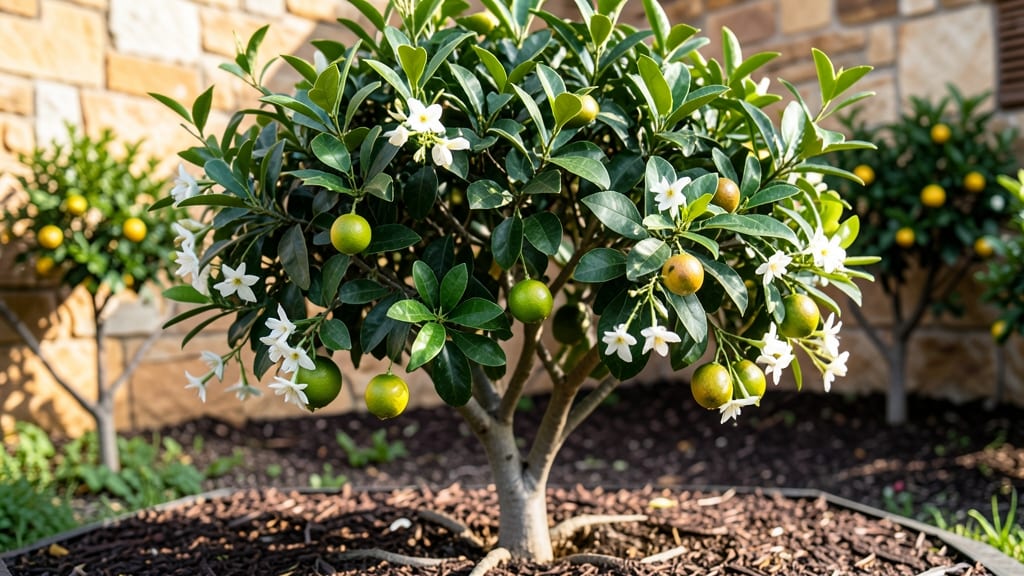
A key lime tree grows anywhere from 6 to 20 feet tall at maturity, depending on the variety and growing conditions—so if you’re eyeing one for your yard, size matters more than you might think.
Picture this: a towering 20-foot tree casting shade over your patio, its branches heavy with bright green fruit—unless you’re in a container, where dwarf varieties stay a manageable 6 to 10 feet.
But here’s the catch: even small trees need room to thrive, and pruning isn’t just about aesthetics—it’s about keeping your harvest within reach.
Whether you’re in frost-free Florida or a container on a California balcony, the right variety and care can mean the difference between a basketball-hoop-high tree and a compact, fruit-laden beauty. Below, we’ll break down how to pick the perfect size for your space—and how to keep it there.
From dwarf varieties that fit patio pots to standard trees that stretch toward the sky, we’ll cover spacing, pruning, and the one pruning mistake that stunts growth for years. Ready to grow your own key limes without the overgrowth?

Key lime tree mature heights by variety: dwarf to giant sizes explained
Key lime trees (Citrus aurantifolia) are stunning tropical plants, but their mature heights can vary dramatically depending on the variety. If you're planning to grow one in your garden or container, knowing these differences is key to selecting the right type for your space.
The standard Mexican key lime typically reaches 15–20 feet tall, while dwarf varieties stay between 6–10 feet, making them perfect for patios or small yards.
Beyond height, growth habits differ too. Some varieties grow narrow and upright, while others spread wider, requiring more space. For example, the Tahiti key lime is slightly larger than Mexican types but still manageable in containers with proper care.
Understanding these distinctions helps you avoid overcrowding and ensures your tree thrives in its environment.
Here’s a quick comparison of the most common varieties and their mature heights to help you decide which fits your garden best:
If you're growing key limes in containers, dwarf or semi-dwarf varieties are your best bet. A 5-gallon pot works for young trees, but mature dwarf varieties may need 15–20 gallons to prevent root binding.
For in-ground planting, space standard varieties 15–20 feet apart to allow for their full spread and avoid competition for nutrients.
Another factor to consider is growth rate. Mexican key limes grow 2–4 feet per year in ideal conditions, while dwarf varieties grow more slowly—about 1–2 feet annually. This slower growth makes them easier to manage in small spaces.
Pruning can also help control height, especially if you want to keep your tree under 10 feet tall.
For urban gardeners or those in colder climates, dwarf varieties are ideal because they’re easier to move indoors during winter. Even in USDA Zone 9b, where frost is a risk, a potted dwarf key lime can be brought inside to protect it from cold snaps.
This flexibility makes dwarf types a favorite for patio gardening and small-scale fruit production.
If you're aiming for a t
How growing zones affect key lime tree height: can you grow one where you live?
Key lime trees (Citrus aurantifolia) thrive in USDA hardiness zones 10-11, where they can reach their full 10-20 feet height. But if you live in cooler zones, your tree’s growth—and even survival—will depend on your climate.
In zone 9, expect stunted growth unless you use containers for mobility. Below zone 9, container-growing becomes your best bet, but even then, cold snaps can kill the tree without protection.
The tropical nature of key lime trees means they’re sensitive to frost. A single 28°F night can damage leaves, while 24°F or lower often kills the tree entirely. That’s why zone 8 gardeners must grow them in large containers and bring them indoors during winter.
In zones 7 and below, outdoor growth is nearly impossible unless you have a heated greenhouse or microclimate spot.
Here’s how your growing zone impacts height, cold tolerance, and container potential:
For zone 9 gardeners, dwarf varieties like ‘Mexican’ key lime (6-10 ft) are ideal. In zones 8 and below, focus on container-growing with 5-gallon pots for young trees, upgrading to 15+ gallons as they mature.
Use well-draining citrus mix and insulated pots to extend the growing season. Root barriers can also help contain growth if you’re set on outdoor planting in marginal zones.
If you’re in zones 7 or below, don’t give up! Greenhouse cultivation or indoor growing near a south-facing window can work.
Just be prepared for slower growth and smaller fruit due to limited sunlight. Grow lights can supplement natural light, but 12+ hours of full sun is ideal for optimal height and fruit production.
Pro tip: Prune aggressively in early spring to encourage bushier growth and harvest young fruit to redirect energy. Even in cooler zones, a well-cared-for key lime tree can reward you with juicy limes—just manage your expectations for height and yield based on your climate.