
Plants
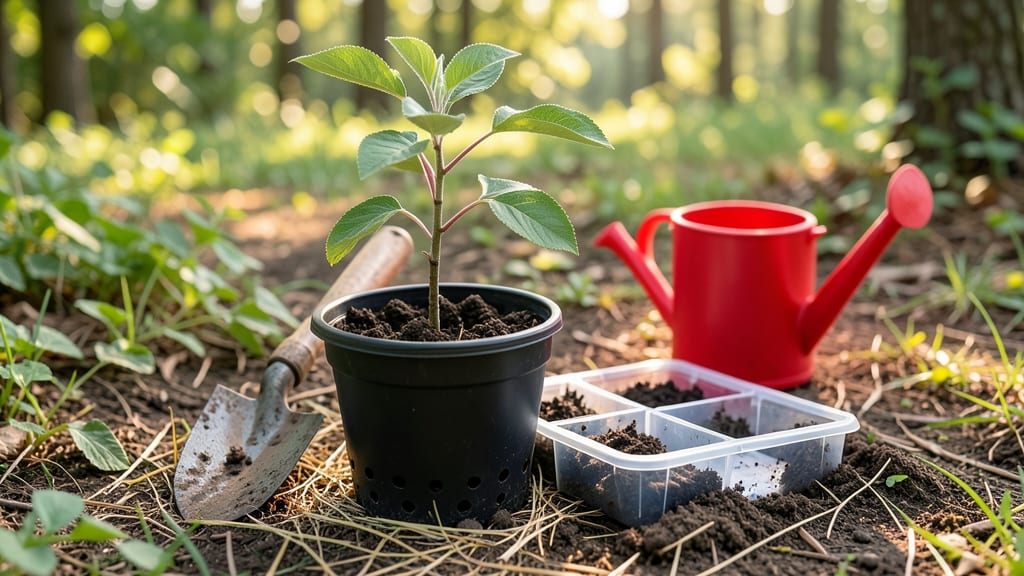
You can plant an apple tree from an apple, but the resulting tree will likely produce bitter, inedible fruit and take 10+ years to bear. For true-to-variety apples, grafting is the reliable method—using a scion from a known cultivar ensures fruit quality and faster growth.
Growing an apple tree from seed is like rolling the genetic dice—what you get depends on which pollinator happened to be nearby when the apple was fertilized. 🌱 The fruit from seed-grown trees often lacks the sweetness and texture of commercial varieties, and the tree itself may take decades to mature.
Meanwhile, grafting lets you control the outcome by attaching a scion (a cutting from a known apple variety) onto a compatible rootstock, guaranteeing the fruit you want while speeding up production to just 3-5 years.
This method isn't just for experts—many home gardeners successfully graft their own trees using simple techniques like whip-and-tongue grafting or T-budding during late winter or early spring. The key is choosing healthy scions from reputable nurseries and matching them with rootstocks suited to your climate.
💡 In This Article
- Seed-Grown Apple Trees: What to Expect From Fruit Quality
- Grafting Apple Trees: Step-by-Step for Home Gardeners
Seed-grown apple trees: what to expect from fruit quality
When you plant an apple seed, you're essentially starting with a genetic lottery. The fruit you eventually grow will be the result of cross-pollination between your apple and whatever other apple varieties bloomed nearby.
This means the resulting tree could produce apples that taste completely different—often more tart, bitter, or even inedible—compared to the parent fruit. 🌱 The reason lies in genetics: apple seeds carry recessive traits that can manifest unpredictably, leading to flavors that lack the sweetness and complexity of commercial varieties like Fuji or Gala.
The fruit quality from seed-grown trees often suffers because these seedlings inherit traits that make them less desirable. For example, many seed-grown apples develop higher levels of tannins, which create that bitter aftertaste. Commercial apple varieties have been selectively bred over centuries to minimize these compounds.
Additionally, seed-grown trees typically take 10-15 years to bear fruit, while grafted trees can produce apples in just 3-5 years.
This delay is due to the biological process of maturation, where the tree must first establish a robust root system and canopy before it can allocate energy to fruit production.
Another critical factor is the tree's overall health and vigor. Seedlings often grow more slowly and are more susceptible to diseases like apple scab or fire blight because they lack the genetic resistance bred into commercial varieties.
The bark may also be thinner and more prone to damage from pests or environmental stress. For comparison, grafted trees inherit the disease resistance of the rootstock while producing fruit identical to the scion variety, creating a more predictable and hardy tree.
Consider this: if you planted a seed from a Honeycrisp apple, the resulting tree might produce fruit that's more like a wild crabapple—small, tart, and lacking the signature sweetness. The texture could also be firmer and less juicy, with seeds that are larger and harder to remove.
This unpredictability is why professional orchards never rely on seeds; they use grafting to ensure consistency in both flavor and yield.
Even if you're patient enough to wait for a seed-grown tree to bear fruit, there's no guarantee it will produce apples you'll enjoy. The genetic variability means you might end up with a tree that's beautiful to look at but frustrating to grow.
For example, some seed-grown apples may develop a mealy texture when cooked, making them unsuitable for baking or fresh eating. This inconsistency is why grafting remains the gold standard for home gardeners who want reliable, flavorful apples.
If you're still curious about seed-grown trees, try planting a few seeds just for the experience. You might discover a unique apple variety with interesting characteristics, but don't expect it to replace your favorite grocery store apples.
The real magic happens when you combine the unpredictability of seeds with the precision of grafting—starting with a seed-grown rootstock and grafting a known scion onto it can give you the best of both worlds: hardy roots and predictable fruit.