
Pruning
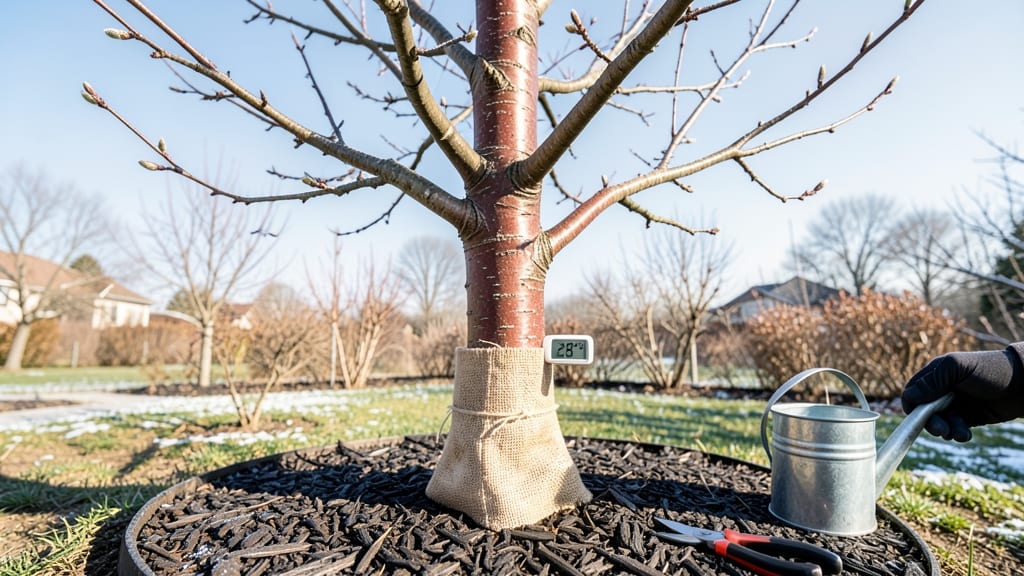
Winter tree care tips aren't just about surviving the cold—it's about setting your trees up for explosive spring growth. ✂️ I learned the hard way when my oak lost half its branches to ice damage because I skipped the right cuts.
The key? Pruning before the worst freeze hits, when trees are dormant but still resilient.
Start with clean, sharp tools—dull shears tear bark, inviting disease. Focus on removing dead, crossing, or weak branches first, then thin the canopy by 25% max to prevent wind stress.
Evergreens need extra care: avoid heavy pruning, which stresses them in cold snaps. Mulch now too—2-3 inches of organic matter keeps roots insulated.
You’ll see the payoff next spring: fewer broken limbs, fuller foliage, and trees that bounce back faster from winter stress. The right cuts now mean stronger structure and more shade come summer. Just don’t wait until January—once frost hits, it’s too late for major work.
Works for oaks, pines, maples, and even young fruit trees. Here’s how to do it right—without turning your yard into a winter disaster zone.
📚 In This Guide
- What you need
- Instructions
- Tips and common mistakes
- Wrapping up and next steps
What you need
- ● Pruning shears: Bypass shears (for clean cuts on small branches, ¼"–¾" diameter)
- ● Loppers: 6"–8" handles (for medium branches, ¾"–2" diameter)
- ● Pruning saw: Curved-tooth saw (for thick branches, 2"+ diameter)
- ● Ladder: Sturdy, extendable aluminum ladder (height based on tree size)
- ● Disposable gloves: Heavy-duty, cut-resistant (e.g., Mechanix Wear)
- ● Rubbing alcohol or bleach solution: 70% isopropyl alcohol or 1:9 bleach-water mix (for sterilizing tools)
- ● Heavy-duty trash bags: 30–50 gallon (for debris disposal)
- ○ Tree wound dressing (optional but helpful): Pruning sealant (e.g., Tanglefoot Tree Wound Pruning Seal)
- ● Extension pole saw: For high branches without a ladder
- ● Work boots with grip: For stability on uneven ground
- ● Safety glasses: To protect from debris
- ● Marking spray (paint): For tagging branches to remove later
- ● Mulch (shredded bark): 2–4" layer around tree base (avoid piles against trunk!)
- ● Tree banding tape: For protecting bark from frost cracks
How to trim trees for winter resilience
Cold weather stresses trees, but smart pruning now keeps them strong through the season.
☀️ Step 1: Choose the Right Time to Prune
Late winter—after the worst cold snaps but before buds swell—is ideal. I target February through early March in most climates. This timing lets trees heal before spring growth begins. Avoid pruning during freezing temperatures or when sap is flowing heavily, as both stress the tree.
Look for dormant branches that stand out against the winter sky. These are the ones to evaluate first. If you see dead wood (no leaves, dry bark) or branches crossing others, mark them for removal. Never prune when snow or ice is present—wet branches are heavier and more dangerous to work with.
✂️ Step 2: Use Proper Tools and Techniques
Start with sharp, clean tools: a pruning saw for thick branches over 1 inch in diameter and bypass pruners for smaller cuts. Dull blades tear bark, inviting disease. I disinfect tools with rubbing alcohol between cuts to prevent spreading fungal spores.
Make cuts just outside the branch collar—the swollen area where the branch meets the trunk. Avoid leaving stubs, which rot and attract pests. For larger branches, use the three-cut method: First, make an undercut on the underside, then a top cut, and finally remove the branch. This prevents bark from tearing.
🌿 Step 3: Remove Dead, Diseased, or Weak Growth
Focus on dead branches first—they’re easy to spot as they’re gray or brown and snap when bent. Next, remove branches with mushrooms, cankers, or oozing sap, signs of disease. Cut back to healthy wood, at least 6 inches below the infected area.
Thin the canopy by removing 10-20% of the branches to improve airflow and sunlight penetration. Target branches that rub against others or grow inward. You’ll see a more open, balanced shape that’s easier to maintain. Never remove more than 25% of the canopy in one season—this stresses the tree.
🪴 Step 4: Seal Large Cuts and Monitor Healing
For cuts over 2 inches in diameter, apply tree wound sealant to protect against pests and disease. I use a product with benomyl or copper fungicide for extra protection. Smaller cuts don’t need sealing—they heal faster on their own.
After pruning, water the base of the tree deeply to help it recover. Mulch with 2-3 inches of organic mulch (like wood chips) and keep it 6 inches away from the trunk. Check the tree monthly for new signs of stress, like yellowing leaves or unusual sap flow. If you see sawdust-like frass near cuts, borers may be present—treat with an insecticide if needed.
⏰ Step 5: Plan for Spring and Long-Term Care
Take notes on which branches you removed and why. This helps track the tree’s health over time. In early spring, fertilize with a balanced, slow-release fertilizer to support new growth. Avoid heavy fertilizers in late winter—they encourage tender shoots that freeze easily.
Schedule a follow-up inspection in late spring to check for new deadwood or signs of disease. Mature trees benefit from annual pruning, while younger trees may only need pruning every 2-3 years. The goal is to keep the tree’s structure strong and its energy focused on root and trunk growth during winter.
Tips & tricks for perfect winter tree trimming
Real talk: Winter pruning can make or break your tree's resilience for seasons to come. Here's what nobody tells you about getting it right.
Timing is Everything: February through early March is your sweet spot for winter pruning, but don't just pick any day. I check the weather forecast for at least three consecutive days above freezing—this gives the tree time to heal before spring growth begins. If you're in a colder climate, aim for the warmest days between 65-75°F to minimize stress. Avoid pruning right after a freeze when branches are still brittle.
Tool Prep Matters: I've ruined more cuts than I can count using dull tools—don't make my mistake! Sharpen your pruning saw and bypass pruners before you start, and keep a bottle of rubbing alcohol handy. Clean your tools between each cut, especially when removing diseased branches. A quick wipe with a disinfectant cloth prevents spreading fungal spores that can kill your tree. For branches over 1 inch in diameter, I always use a pruning saw—bypass pruners just can't handle the job cleanly.
Branch Identification Tricks: Here's what I look for when scanning the tree: dead branches snap cleanly when bent (no leaves, gray/brown color), while healthy branches bend before breaking. For disease detection, I examine the bark for mushrooms, cankers, or oozing sap—these are clear signs it's time to cut. Pro tip: Use a small flashlight to inspect the undersides of branches where disease often hides. Remember, you should never remove more than 25% of the canopy in one season, or you'll stress the tree beyond recovery.
Healing Strategy: After making cuts over 2 inches in diameter, I apply tree wound sealant with benomyl or copper fungicide to prevent pests and disease from entering. For smaller cuts, let nature take its course—they heal faster without sealant. The key is to water deeply after pruning and maintain 2-3 inches of organic mulch (wood chips work great) while keeping it 6 inches away from the trunk. This helps the tree recover by protecting roots and retaining moisture.
Pro Tips for Winter Tree Care Tips
- Real talk: Winter pruning can make or break your tree's resilience for seasons to come.
- Timing is Everything: February through early March is your sweet spot for winter pruning, but don't just pick any day.
- Tool Prep Matters: I've ruined more cuts than I can count using dull tools—don't make my mistake!
Frequently asked questions
Got questions about keeping your trees thriving through winter? You’re not alone! Here are some of the most common concerns—and expert answers—to help you care for your cold-resistant greenery like a pro.
When is the best time to trim trees in winter?
The ideal window for winter pruning is late fall to early spring (December–February), when trees are dormant. This minimizes stress and reduces disease risks. Avoid pruning after late February, as new growth can’t harden off before spring. Pro tip: Trim on dry, calm days to prevent sap bleeding or fungal infections.
Can I prune evergreens in winter?
Yes! Evergreens like pines, spruces, and firs can be pruned in winter, but avoid heavy cuts. Focus on dead, diseased, or crossing branches—these stand out clearly against bare limbs. Warning: Never remove more than 25% of the canopy at once, or you risk sunburn or stress.
What should I do if my tree looks damaged after winter?
Check for dry, brittle branches or peeling bark—signs of winter burn or frost cracks. Prune only the dead wood (it’ll snap easily) and avoid over-trimming. If large limbs break, call an arborist to assess structural risks. Boost recovery: Mulch the base and water deeply (if ground isn’t frozen) to support root health.
Do I need to protect young trees from winter cold?
Young trees (under 3 years old) benefit from wrapping the trunk with tree guard or burlap to shield against sunscald and rodent damage. Stake them if needed, but avoid tight ties that can girdle the trunk. Bonus tip: Apply a 2–4 inch layer of mulch (keep it 6 inches from the trunk) to insulate roots.
Are there trees I should avoid pruning in winter?
Skip winter pruning for bleeding trees like maples, birches, or elms—they ooze sap when cut in cold weather. Also, avoid heavy pruning on fruit trees (like apples or cherries) in late winter, as it can reduce next year’s harvest. Exception: Light cleanup of dead wood is still safe.
Wrapping up and next steps
Winter is the perfect time to give your trees the care they need to thrive all year!
By following these cold-resistant trimming tips—like avoiding over-pruning, protecting wounds, and timing cuts right—you’ll set the stage for healthier, stronger growth come spring. 🌳✨ Remember, a little effort now can save your trees from stress later.
Ready to get started? Grab your tools, bundle up, and give your trees the winter TLC they deserve! For extra guidance, check out our pruning checklist or consult a local arborist to ensure your trees stay happy and healthy.