
Flowers
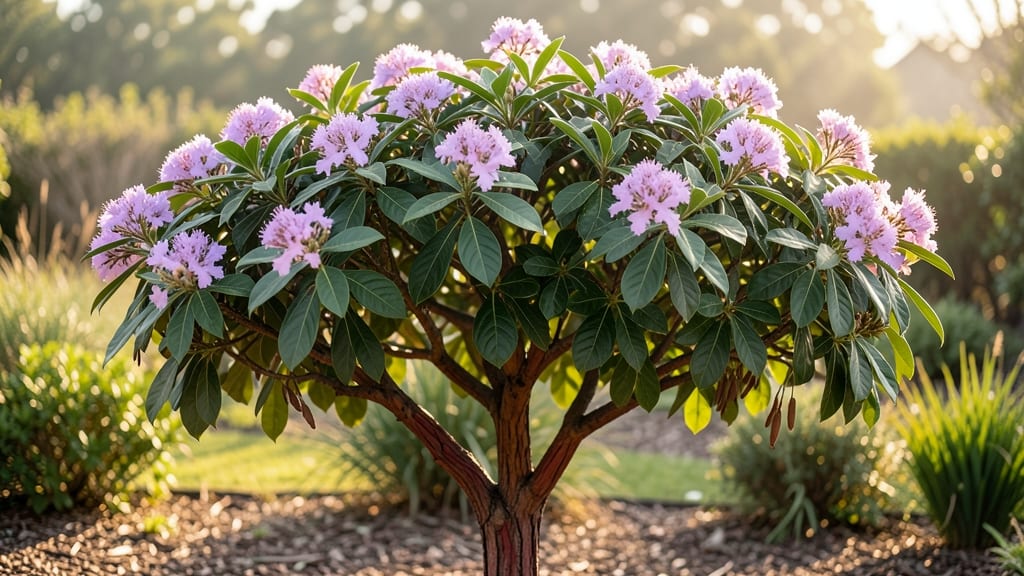
A tree with lilac flowers found in warm climates finally has a fragrant, low-maintenance alternative that delivers lilac-like blooms without the fuss of traditional lilacs. 🌸 The crepe myrtle (Lagerstroemia indica) thrives in heat and humidity, offering vibrant summer flowers in shades of pink, purple, and white—plus stunning fall foliage that rivals any ornamental tree.
I planted mine in full sun near the patio, and within two years, it became the neighborhood showstopper. The secret? Well-draining soil, minimal pruning, and watering only when the top inch feels dry.
Unlike finicky lilacs, crepe myrtles handle drought and urban pollution like a champ—perfect for city lots or rural landscapes alike. By late summer, you’ll be surrounded by clouds of sweet-scented blooms that last weeks longer than gardenias or roses.
The bark even develops beautiful exfoliating textures in winter, giving you year-round interest with almost no effort. For regions where winters dip below 10°F, choose cold-hardy varieties like 'Natchez' or 'Tonto'.
These adaptable trees grow 15–25 feet tall, making them ideal for focal points, privacy screens, or even large containers in small yards.
Why Lilacs Thrive in Warm Climates
If you’ve ever spotted a tree adorned with fragrant lilac flowers in a warm, sunny climate and wondered why it’s not shivering like its temperate cousins, the answer lies in a mix of genetics, environmental adaptation, and cultivation strategies.
While traditional lilacs (Syringa vulgaris) are hardy in cooler zones, their tropical or subtropical relatives—like Lagerstroemia speciosa (queen’s flower) or Plumeria (frangipani)—have evolved (or been bred) to flourish under the sun’s relentless gaze. Let’s break down the science behind their warmth-loving ways.
Many trees that produce lilac-like flowers in warm climates are native to tropical or subtropical regions, where they’ve developed survival strategies to handle intense sunlight, high temperatures, and limited water. Here’s how:
- Thick, waxy leaves: Plants like Plumeria and Tabebuia (pink trumpet tree) have leaves coated with a waxy cuticle that reduces water loss through evaporation. This adaptation helps them conserve moisture during dry spells—critical in warm, arid climates. 🌵
- Deep root systems: Trees such as Lagerstroemia send roots deep into the soil to access groundwater, making them drought-resistant. Shallow-rooted lilacs from cooler climates would wilt under the same conditions. 💧
- Sunlight tolerance: Unlike delicate temperate lilacs, these varieties often have higher chlorophyll activity, allowing them to photosynthesize efficiently even under direct sun. Some, like Jacaranda, even close their stomata (pores) during peak heat to prevent overheating. ☀️
Actionable takeaway: If you’re growing a warm-climate lilac tree, mimic its natural environment by planting it in well-draining soil and avoiding heavy mulch that could trap moisture and invite root rot.
Not all lilac-like trees are native to warm zones—some are cultivated hybrids designed to bloom continuously in heat. For example:
- Extended flowering periods: Breeders have developed varieties (like Syringa meyeri ‘Palibin’) that produce flowers multiple times per year by manipulating their photoperiod sensitivity. Unlike traditional lilacs, which bloom once in spring, these hybrids trigger flowering in response to temperature shifts rather than seasonal light changes. 🌸
- Heat-resistant genetics: Crossbreeding with species like Syringa reticulata (a Chinese lilac) introduces genes for higher heat tolerance. These hybrids can handle temperatures up to 104°F (40°C) without wilting. 🔥
- Disease resistance: Warm climates often bring fungal pressures (like powdery mildew). Many tropical lilac trees have natural resistance due to their evolutionary history in humid, disease-prone environments. 🛡️
Actionable takeaway: When selecting a lilac tree for warm climates, look for labels indicating “heat-tolerant,” “reblooming,” or “tropical hybrid.” Avoid traditional lilacs unless you’re in a microclimate with cooler summers.
Even in warm regions, not all areas are equally toasty. Lilac-like trees often thrive in microclimates—small areas with unique conditions that differ from the surrounding environment. Here’s how this plays out:
| Microclimate Factor | How It Helps Lilacs |
|---|---|
| Urban heat islands | Cities with concrete and pavement retain heat, creating pockets where temperatures can be 5–10°F warmer than rural areas. Trees like Jacaranda or Cassia (which produce lilac-like blooms) thrive in these conditions because they’re already adapted to high heat. 🏙️ |
| Coastal breezes | Ocean or lake winds can moderate temperatures and increase humidity, which benefits tropical lilacs. For example, Plumeria often grows near coastlines where salt spray is less harmful than in inland deserts. 🌊 |
| Shade from buildings | Some lilac trees (like Lagerstroemia) prefer partial shade in the hottest afternoon sun. Buildings or other trees can provide this natural filter, reducing stress on the plant. 🏠 |
Actionable takeaway: If you’re planting a warm-climate lilac tree, observe your yard’s sun exposure patterns throughout the day. Use drip irrigation or morning watering to avoid evaporative loss in full sun.
Gardeners and horticulturists have also accelerated the success of lilac-like trees in warm climates through intentional care. Here’s what makes the difference:
- Pruning for airflow: Heavy pruning in traditional lilacs can stress the plant, but in warm climates, selective pruning (removing only dead or crowded branches) improves air circulation, reducing humidity-related diseases like botrytis. ✂️
- Soil amendments: Adding organic matter (compost or coconut coir) improves soil retention without suffocating roots. Warm-climate lilacs often prefer slightly acidic to neutral soil (pH 6.0–7.0). 🌱
- Mulching strategies: Unlike cool-climate lilacs, which benefit from thick mulch for insulation, warm-climate varieties often do better with a thin layer (1–2 inches) of mulch to retain moisture without trapping heat. 🌡️
- Fertilizer choices: High-nitrogen fertilizers can burn roots in heat. Instead, use a balanced, slow-release fertilizer (10-10-10 or 8-3-9) with added micronutrients like iron and magnesium. 💡
Actionable takeaway: Test your soil’s pH and nutrient levels before planting. If your area has calcareous (alkaline) soil, amend it with sulfur or peat moss to create a more hospitable environment for tropical lilacs.
Revive & Protect Your Blooming Tree
If your fragrant, warm-climate lilac tree isn’t thriving, don’t fret—most issues have simple fixes! Below, we’ll tackle common problems with step-by-step solutions, from soil and water woes to pests and pruning mistakes.
Each fix is designed to be easy, budget-friendly, and effective, so you can enjoy those sweet blooms all year long. 🌸
If your tree’s leaves are yellowing, wilting, or dropping too soon, it’s likely starving for nutrients or struggling with soil quality.
🔥 Step 1: Test Your Soil
Before adding amendments, grab a DIY soil test kit (or send a sample to your local extension office). Check for pH balance—lilac trees prefer 6.0–7.0. If your soil is too acidic (<6.0), add lime; if too alkaline (>7.5), mix in sulfur or peat moss.
🍳 Step 2: Amend the Soil
Dig a 12-inch-deep hole around the tree’s drip line (the edge of its canopy). Mix in:
- Compost (2–3 inches) for organic matter
- Slow-release fertilizer (10-10-10 or 8-3-9 blend) in early spring
- Perlite or sand (if soil is clay-heavy) to improve drainage
👨🍳 Step 3: Mulch Like a Pro
Spread 3–4 inches of mulch (wood chips, bark, or straw) around the base, keeping it 6 inches away from the trunk. Mulch retains moisture, regulates temperature, and slowly feeds the soil.
> 💡 Pro Tip: Avoid fresh wood chips—they can steal nitrogen from the soil. Use aged mulch instead!Overwatering or poor drainage can drown roots, while underwatering stresses the tree. Here’s how to strike the right balance.
🌡️ Step 1: Check Drainage
Dig a small hole near the tree. Fill it with water—if it drains in 1–2 hours, your soil is fine. If water pools after 6+ hours, amend with sand or gravel to improve aeration.
🔥 Step 2: Water Deeply & Infrequently
Water slowly but deeply (1–1.5 inches per week) at the base of the tree, not the leaves. Use a soaker hose or drip irrigation to avoid runoff. Early morning is best—watering at night invites fungal diseases.
⏰ Step 3: Adjust for Seasons
| Season | Watering Needs |
|---|---|
| Spring/Fall | Water 2–3 times per week (new growth needs hydration). |
| Summer | Water daily (or every other day in extreme heat). |
| Winter | Reduce to once every 2–3 weeks (unless in a drought-prone area). |
Yellowing leaves, holes in foliage, or black spots? Pests and diseases are likely the culprits. Act fast to save your tree!
🔪 Step 1: Identify the Problem
Common warm-climate threats include:
- Spider mites (tiny webs on leaves)
- Aphids (sticky residue on branches)
- Powdery mildew (white fuzzy coating)
- Root rot (mushy, discolored roots)
🌿 Step 2: Natural Remedies First
Try these non-toxic solutions before resorting to chemicals:
- Neem oil spray (mix 1 tsp neem oil + 1 tsp mild soap + 1 quart water). Spray every 7–10 days until pests vanish.
- Horticultural oil (for scale insects—apply in early spring before buds swell).
- Baking soda spray (1 tsp baking soda + 1 quart water + a drop of soap) for fungal issues like powdery mildew.
🚨 Step 3: Severe Cases? Call Reinforcements
If pests persist, use systemic insecticides (like imidacloprid) or copper fungicides for diseases. Follow label instructions carefully—overuse harms beneficial insects and soil health.
> ✨ Prevention Tip: Encourage ladybugs, lacewings, and birds to your garden—they’re natural pest predators! Plant marigolds or dill nearby to attract them.Over-pruning or wrong timing can stunt blooms and weaken your tree. Here’s how to prune like a pro.
🔪 Step 1: Prune at the Right Time
Do most pruning in late winter or early spring (before buds swell). For warm climates, you can also prune lightly after flowering to shape the tree.
🌳 Step 2: Use the Right Techniques
Follow these 3 rules:
- Cut at a 45-degree angle just above a leaf node (where leaves grow).
- Remove dead, crossing, or diseased branches first—never more than 25% of the tree’s foliage at once.
- Avoid “topping” (cutting the top flat)—it encourages weak growth and ugly stubs.
🌿 Step 3: Sterilize Tools & Clean Up
Wipe pruners with rubbing alcohol between cuts to prevent disease spread. Remove all fallen debris from the area to reduce fungal risks.
> 💡 Pro Tip: If your tree is overgrown, prune gradually over 2–3 years to avoid shocking it. Never prune more than 1/3 of the canopy in a single season!Frequently asked questions
What are the best warm-climate trees that produce lilac-like flowers?
The crepe myrtle (Lagerstroemia indica) is the top choice, offering vibrant blooms in pink, purple, and white that last all summer. Other excellent options include Tabebuia (pink trumpet tree) for tropical charm, Plumeria (frangipani) for fragrant blooms, and Jacaranda for stunning purple cascades. All thrive in heat and humidity.
How do I know if my tree is getting enough sunlight?
Most warm-climate lilac trees need 6–8 hours of direct sun daily. Look for signs of stress: leggy growth or pale leaves mean it needs more sun, while brown leaf edges indicate too much heat. Plant in a location with morning sun and afternoon shade if your area gets intense afternoon heat.
Can I grow these trees in containers?
Yes! Smaller varieties like Lagerstroemia 'Natchez' or Plumeria thrive in 15–25 gallon containers with well-draining soil. Use a pot with drainage holes and repot every 2–3 years to refresh the soil. Place containers where they get morning sun and afternoon shade for best results.
Why aren't my warm-climate lilac flowers fragrant?
Many tropical varieties (like Tabebuia) have minimal scent compared to traditional lilacs. For fragrance, choose Plumeria or Lagerstroemia 'Tonto', which produce sweet-smelling blooms. Ensure your tree gets full sun and proper fertilization—underfed trees often produce fewer flowers with less fragrance.
How cold can these trees tolerate?
Most warm-climate lilac trees survive down to 15–20°F (-9 to -7°C), but Plumeria and Tabebuia need 25°F (-4°C) minimum. For colder regions, choose Lagerstroemia 'Natchez' (down to 5°F (-15°C)) or grow potted trees you can bring indoors during winter.