
How To
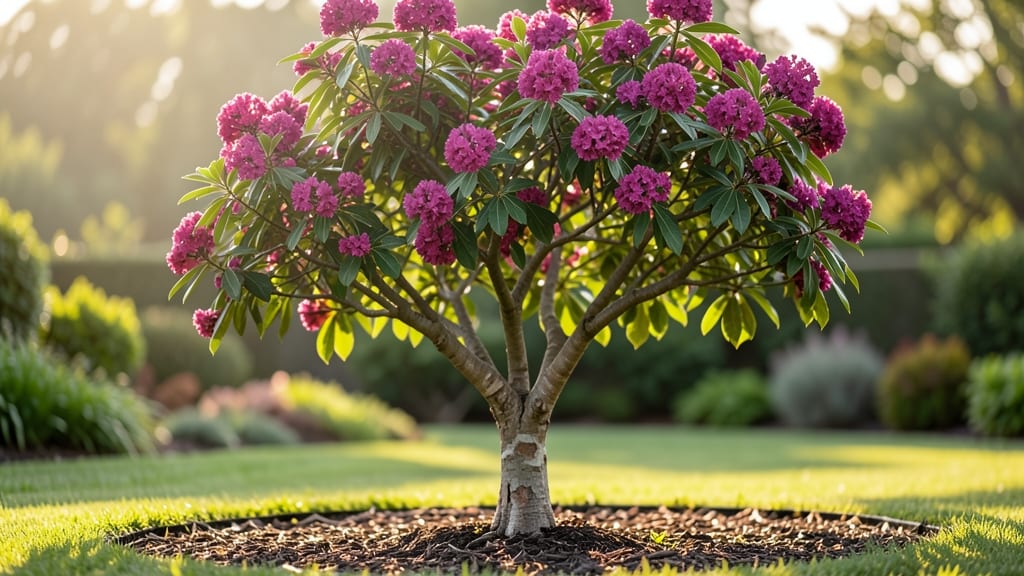
A crepe myrtle tree can grow how tall—from 6 feet to towering heights of 30 feet—depending on the variety and growing conditions.
If you're dreaming of a stunning shade tree with vibrant blooms but limited space, crepe myrtles might be perfect—yet their height varies wildly depending on variety and growing conditions.
Dwarf varieties like 'Arapaho' stay compact at 8-12 feet, while standard types like 'Natchez' reach 20-30 feet at maturity. In USDA Zone 6a, growth slows slightly, but with proper care, you can still encourage faster height gains.
Discover the exact height ranges for fast-growing crepe myrtles in your climate zone and how to maximize their growth potential—whether you want a small tree, a shrub, or a towering centerpiece.

Crepe myrtle height ranges by fastest-growing varieties (with mature size expectations)
If you're planning your next landscape project, understanding crepe myrtle height ranges is key to choosing the right variety. These trees grow at different rates and reach mature heights from 6 to 30 feet, depending on the cultivar.
For example, the 'Natchez' variety can grow 3 feet per year in ideal conditions, while dwarf varieties like 'Centennial' stay compact at just 8-12 feet tall. Let’s explore the fastest-growing options and what to expect in your USDA hardiness zones 6-10.
Fast growth isn’t just about height—it’s also about how quickly you’ll enjoy those showy summer blooms and lush foliage. Some varieties, like 'Muskogee', can add up to 36 inches per year in the right climate, while others like 'Arapaho' grow steadily at 12-24 inches annually.
Your choice depends on whether you want a quick shade solution or a long-term investment in your landscape. Let’s break down the top performers.
🌱 Pro Tip: Always check your local USDA zone before planting, as growth rates slow significantly in cooler climates like Zone 6. In warmer zones (e.g., Zone 9-10), these trees can grow even faster with proper care.
The 'Natchez' variety is the fastest grower, reaching mature heights of 25-30 feet in as little as 5-7 years with ideal care. If you’re in USDA Zone 9 or 10, this tree can grow 3 feet per year or more, making it perfect for quick shade solutions.
However, if you’re in Zone 6, expect slower growth—closer to 12-18 inches annually—due to cooler temperatures.
For smaller spaces, dwarf varieties like 'Centennial' or 'Tonto' are excellent choices. These stay under 12 feet tall and grow at a more manageable 6-12 inches per year.
They’re ideal for containers, small gardens, or foundation planting where space is limited. Even in Zone 6, they thrive with proper winter protection.
If you’re aiming for a medium-height tree with vibrant blooms, 'Arapaho' is a fantastic middle-ground option. It grows 15-20 feet tall and adds 12-24 inches annually, making it versatile for patios, driveways, or as a focal point.
Its growth rate is steady, so you won’t have to worry about rapid expansion overwhelming your landscape.
How climate zones affect crepe myrtle growth height (and how to adjust pruning)
Your crepe myrtle tree’s height isn’t just about genetics—it’s heavily influenced by your USDA climate zone. In colder zones like 6, these trees grow slower and stay shorter, while in warmer zones like 9 or 10, they can reach towering heights of 20-30 feet.
Understanding these patterns helps you plan for pruning and space needs before planting.
Crepe myrtles thrive in USDA zones 6-10, but their growth habits shift dramatically across these regions. In Zone 6, expect slower growth and mature heights of 10-15 feet, while Zone 9-10 varieties can surge to 25-30 feet with ideal conditions.
Urban settings with limited space may require structural pruning to control height, whereas rural areas with open land can accommodate taller varieties.
Seasonal growth patterns also play a role in height control. In Zone 6, crepe myrtles enter dormancy earlier, limiting their spring and summer growth spurts. Meanwhile, Zone 9-10 trees enjoy longer growing seasons, allowing them to add 2-3 feet annually if unchecked.
Prune in late winter or early spring to encourage balanced growth and avoid stunting new shoots.
For urban gardens with height restrictions, focus on selective pruning—removing only the topmost branches to maintain a manageable canopy. In rural settings, let taller varieties grow naturally while pruning lower branches to improve airflow and reduce disease risk. Always use sterilized tools to prevent bacterial infections during pruning.
If your crepe myrtle is growing too fast, topping (cutting back the top third) can slow height increases, but it may reduce flowering. For slower growth, reduce fertilizer use in late summer to encourage dormancy.
Mulching around the base also helps regulate soil temperature, which indirectly affects growth rates in extreme climates.
Your crepe myrtle’s height is a balance of genetics, climate, and care. By adjusting pruning techniques based on your USDA zone, you can shape your tree to fit your space—whether you want a compact shrub or a towering shade provider. 🌳