
Trees
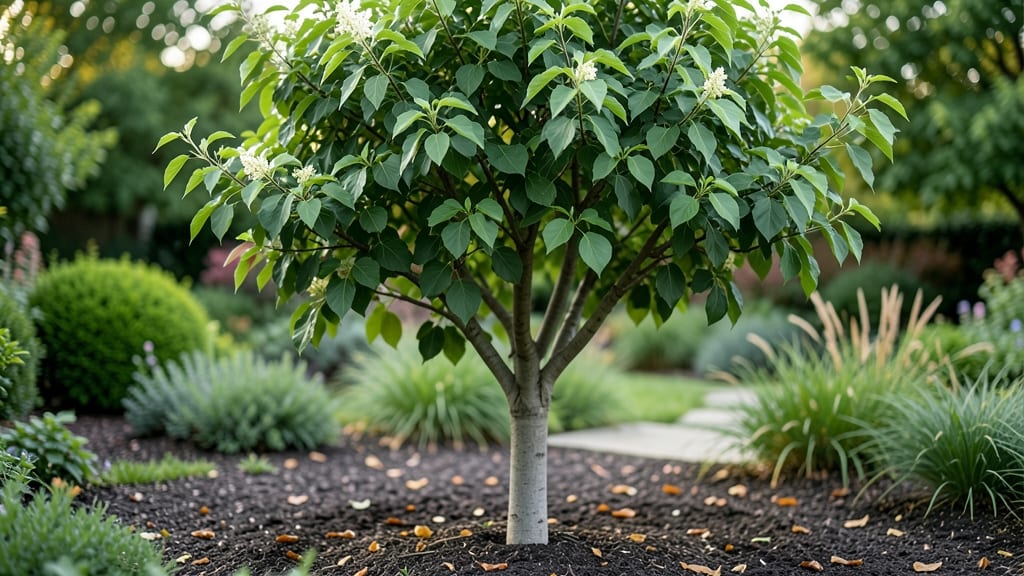
White lilac tree leaves can be a sign your fragrant spring blooms are under attack. 🌿 I’ve seen powdery mildew, spider mites, and even nutrient deficiencies turn those glossy green leaves into ghostly white patches—until I learned the right fixes.
The good news? Most cases respond quickly to simple treatments, and prevention keeps your lilac thriving for decades.
Powdery mildew leaves a chalky white coating, while spider mites create stippled white spots on the undersides of leaves. Nutrient deficiencies (like magnesium or nitrogen) often start with yellowing between veins before turning leaves white entirely.
The key is catching it early—before the fungus or pests spread to the flowers or branches.
You’ll restore those leaves to vibrant green in 2-4 weeks with targeted sprays (neem oil, horticultural oil, or sulfur-based fungicides) and proper care. Prune affected branches in late winter or early spring to improve airflow, and feed your lilac with compost or balanced fertilizer to prevent deficiencies.
Once you’ve tackled the problem, your lilac will reward you with heavier blooms and stronger growth. The secret? Consistent monitoring and quick action—because a healthy lilac doesn’t just smell amazing, it stays that way for years.
Root Causes Behind Leaf Discoloration
When your lilac tree’s leaves turn white, it’s rarely a sign of a healthy plant. Understanding the why behind this unusual symptom is key to saving your tree. Below, we break down the most common culprits—from fungal infections to environmental stress—with clear explanations and actionable insights.
Fungal diseases are the #1 cause of white or powdery leaf discoloration on lilac trees. Two notorious offenders stand out:
- Powdery Mildew 🌬️ - What happens? A fine, white, powdery coating appears on leaves, stems, and buds, blocking sunlight and stunting growth. - Why it happens: This fungus thrives in humid, shaded conditions with poor air circulation.
Lilacs are particularly susceptible because their dense foliage traps moisture. - Actionable fix: Prune for airflow, avoid overhead watering, and apply neem oil or sulfur-based fungicides at the first sign of white fuzz.
- Anthracnose 🍂 - What happens? White or gray spots with dark borders appear, often leading to leaf curling or premature drop. - Why it happens: Caused by the fungus Colletotrichum, it spreads via splashing water or infected pruning tools.
Cool, wet springs create perfect conditions. - Actionable fix: Remove infected leaves immediately, sterilize tools with 70% isopropyl alcohol, and water at the base (not overhead).
Not all white leaves mean disease—sometimes, sap-sucking pests leave behind a chalky residue or stunted growth.
- Aphids & Spider Mites 🕷️
- What happens? Leaves develop a white, sticky residue (aphids) or webbing (mites), leading to yellowing and curling.
- Why it happens: These pests thrive in dry, hot conditions and feed on plant sap, excreting honeydew (a sugary waste that attracts sooty mold).
- Actionable fix: Blast off pests with a strong spray of water, introduce ladybugs (natural predators), or use insecticidal soap.
- Scale Insects 🐛
- What happens? White, cottony tufts appear on stems/leaves—these are the insects’ protective shells.
- Why it happens: Scale insects smother leaves and drain nutrients, weakening the tree over time.
- Actionable fix: Scrape them off with a soft brush dipped in rubbing alcohol or apply horticultural oil in early spring.
Lilacs are hardy, but extreme or sudden changes in their environment can trigger white leaves.
- Winter Burn or Frost Damage ❄️ - What happens? Leaves develop white or brown patches after harsh freezes, especially if the tree was watered late in the season. - Why it happens: Water in leaf tissue expands when frozen, rupturing cells.
Young lilacs or those in exposed, windy areas are most vulnerable. - Actionable fix: Mulch heavily around the base in fall, avoid winter watering, and plant in sheltered spots.
- Chemical Burn from Fertilizers or Sprays 🧪
- What happens? White, crispy edges or bleached patches appear after applying too much fertilizer or herbicides.
- Why it happens: Lilacs are light feeders—over-fertilizing (especially with nitrogen) or using salt-based products damages roots, leading to leaf discoloration.
- Actionable fix: Test soil first, use slow-release, organic fertilizer, and water deeply after application to dilute chemicals.
- Water Stress (Too Much or Too Little) 💧 - What happens? Leaves turn white or limp—either from overwatering (root rot) or drought (wilting). - Why it happens: Lilacs prefer well-draining soil.
Soggy roots suffocate roots, while drought causes osmotic stress, halting nutrient uptake. - Actionable fix: Water 1–2 inches per week (deep soak, not frequent shallow watering). Amend clay soil with compost or sand.
White or pale leaves can signal a lack of key nutrients, though this is less common than other causes.
- Magnesium or Chlorosis 🍃 - What happens? Leaves develop white veins with yellow/green patches (interveinal chlorosis). - Why it happens: Poor soil pH (too alkaline) or magnesium deficiency prevents chlorophyll production. - Actionable fix: Apply Epsom salt (magnesium sulfate) or chelated iron in early spring.
Test soil pH—aim for 6.0–7.0.
- Nitrogen Deficiency 🌿
- What happens? Leaves turn pale green or white (especially on new growth).
- Why it happens: Lilacs need moderate nitrogen for foliage. Over-pruning or poor soil depletes it.
- Actionable fix: Add compost or a balanced 10-10-10 fertilizer in early spring.
If white leaves appear suddenly and severely, paired with:
- Wilting or drooping branches → Likely root rot or vascular disease.
- Blackened stems → Possible bacterial canker.
- No new buds in spring → Dieback from chronic stress.
Act fast: Consult a local arborist or extension service for diagnosis. Some issues (like bacterial infections) are incurable—prune infected wood 12 inches below the damage and sterilize tools.
Reviving Your Lilac’s Green Glory
If your lilac tree’s leaves are turning white—whether from fungal infections, pests, or environmental stress—don’t panic! With the right care, you can restore your tree’s vibrant green foliage and keep it thriving for years to come.
Below, we’ve broken down the most common causes of white leaves and provided practical, step-by-step solutions to fix the problem and prevent future issues.
Fungal infections like powdery mildew or leaf spot are the top culprits behind white or discolored lilac leaves. These fungi thrive in humid, shaded conditions and can spread quickly if left untreated.
🔥 How to Treat Fungal Issues
- 🍳 Prune for Better Airflow
- Remove any heavily infected branches (sterilize pruners with rubbing alcohol between cuts).
- Thin out dense foliage to improve airflow—fungi love stagnant, moist environments.
- 👨🍳 Apply Fungicidal Sprays
- Use a copper-based fungicide or a neem oil solution (1 tbsp neem oil + 1 tsp mild soap per quart of water).
- Spray both the top and undersides of leaves, focusing on new growth.
- Reapply every 7–10 days until the issue clears (usually 2–3 treatments).
- 🌡️ Adjust Watering Habits
- Water early in the morning to allow leaves to dry quickly.
- Avoid overhead irrigation—use drip systems or soaker hoses instead.
- ✨ Prevent Future Outbreaks
- 💡 Pro Tip: Plant lilacs in full sun (6+ hours daily) and space them 3–4 feet apart to reduce humidity.
- 🎯 Mulch properly: Use a 2–3 inch layer of organic mulch (like wood chips) but keep it 6 inches away from the trunk to prevent rot.
Tiny pests like spider mites or aphids can cause white webbing, stippling, or a dusty appearance on lilac leaves. These sap-suckers weaken the tree and make it susceptible to secondary infections.
🔪 How to Eliminate Pests
- 👨🍳 Blast Off with Water
- Use a strong hose spray to knock off aphids (especially on new shoots).
- For spider mites, mist the undersides of leaves daily for 3–5 days to disrupt their lifecycle.
- 🥘 Introduce Beneficial Insects
- Release ladybugs or lacewings (available at garden centers) to prey on aphids naturally.
- 💡 Pro Tip: Plant marigolds or dill nearby to attract these helpful predators.
- 🧴 Use Insecticidal Soap or Oil
- Mix 1.5 tbsp horticultural oil + 1 tsp castile soap per gallon of water and spray directly on pests.
- ⏰ Best time: Early morning or late evening to avoid harming bees.
- 🌡️ Monitor & Repeat
- Check leaves weekly for new infestations.
- 🎯 Prevention: Keep the area around your lilac weed-free—pests hide in grass and debris.
White or bleached leaves can also signal sunburn, nutrient deficiencies (like magnesium or nitrogen), or drought stress. Lilacs are hardy, but extreme conditions can take a toll.
💧 How to Restore Balance
- 🌿 Check for Sunburn
- If leaves are white with brown edges, your lilac may be getting too much direct afternoon sun.
- Fix: Provide light afternoon shade (especially in hot climates) with a temporary shade cloth.
- 🥗 Fertilize Smartly
- Test your soil (a DIY kit from a garden store works) and amend with:
- Compost (for organic matter)
- Balanced fertilizer (10-10-10) in early spring before blooming
- Epsom salt (1 tbsp per gallon of water) if leaves show yellow between veins (magnesium deficiency)
- Test your soil (a DIY kit from a garden store works) and amend with:
- 💧 Adjust Watering
- Lilacs prefer moderate moisture—water deeply 1–2 times per week (more in extreme heat).
- 💡 Pro Tip: Drought-stressed leaves may turn white or crispy—mulch heavily to retain moisture.
- 🌱 Prune for Health
- Remove dead or dying branches to redirect energy to new growth.
- ⏰ Best time to prune: Right after flowering (late spring/early summer) to avoid cutting off next year’s blooms.
No matter the cause, these quick fixes can help your lilac bounce back:
- 🍃 Trim infected leaves (but don’t over-prune—lilacs bloom on old wood).
- 🌿 Boost soil health with a layer of compost around the base (keep it 6 inches from the trunk).
- 🚿 Deep-water weekly during dry spells to encourage deep root growth.
- 🌞 Ensure full sun exposure—lilacs need at least 6 hours of sunlight daily to thrive.
With consistent care, your lilac should regain its lush green leaves and reward you with fragrant blooms for seasons to come! 🌸
Frequently asked questions
Why are my lilac leaves turning white in patches?
White patches on lilac leaves are most likely caused by powdery mildew (a fungal disease) or spider mites. Powdery mildew creates a chalky white coating, while spider mites leave tiny white webbing or stippled spots. Check the undersides of leaves for mites or a fuzzy white film for mildew.
Is it safe to prune branches with white leaves?
Yes, but do it carefully! Prune affected branches in late winter or early spring to improve airflow and prevent spread. Sterilize your pruners with 70% isopropyl alcohol between cuts, and remove only the most severely infected growth. Avoid heavy pruning—lilacs bloom on old wood.
Can I use household items to treat white leaves?
For fungal issues, mix 1 tablespoon baking soda + 1 teaspoon mild soap + 1 quart of water and spray leaves weekly. For pests, use a strong spray of water to knock off aphids or apply neem oil (1 tbsp per quart of water) for mites. Always test on a small area first.
Will my lilac recover if I fix the problem now?
Yes, but recovery depends on how severe the issue is. With proper care—like fungicide sprays, pest control, and improved watering—you’ll see new green growth in 2-4 weeks. However, if the tree is severely weakened (e.g., blackened stems or no new buds), consult an arborist for advanced treatment.
How can I prevent white leaves next year?
Focus on preventive care: plant lilacs in full sun (6+ hours daily), space them 3-4 feet apart for airflow, and water at the base (not overhead). Apply compost annually and avoid over-fertilizing. Prune in late winter to remove old growth and improve circulation.