
Trees
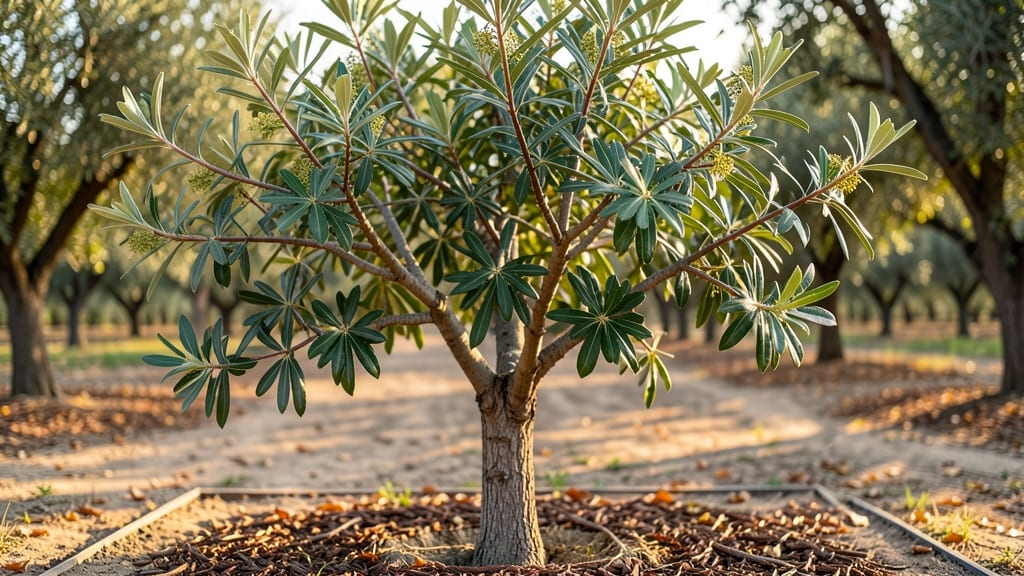
Pistachio tree leaves tell the story of your tree’s health—so when they start yellowing or browning, it’s time to listen. 🌿 The right pruning schedule keeps your tree thriving year-round, but most people either prune too much or not enough, both of which stress the tree and invite pests like aphids or fungal issues like powdery mildew.
Start by removing dead, diseased, or crossing branches first—this improves airflow and sunlight penetration, which naturally prevents fungal problems. Then, focus on thinning out dense growth to reduce stress on the tree.
A sharp pair of pruners and a clear day are all you need to get started, and the payoff is a tree that stays strong, productive, and pest-resistant all season long.
📚 In This Guide
- What you need
- Instructions
- Tips and common mistakes
- Wrapping up and next steps
What you need
- ● Pruning shears: Bypass pruners (for small branches, ¼”–¾” thick) – 1 pair (sharp, sterilized)
- ● Loppers: For branches ¾”–2” thick – 1 pair (with bypass blades)
- ● Pruning saw: For branches 2”+ thick – 1 handheld saw (curved blade preferred)
- ● Gloves: Heavy-duty, cut-resistant (e.g., leather or Kevlar) – 1 pair
- ● Disinfectant: 70% isopropyl alcohol or 10% bleach solution (for sterilizing tools) – small bottle
- ● Heavy-duty trash bags: For collecting pruned leaves/branches – 3–5 bags
- ● Ladder: Extendable (16–24 ft) – 1 (if tree exceeds 10 ft)
- ● Safety gear: Goggles + closed-toe shoes – 1 set
- ● Pruning sealant: (e.g., tree wound paint) – small tube (for large cuts >2”)
- ● Notebook + pen: To track pruning dates and notes on leaf health
- ● Hose + spray nozzle: For post-pruning watering (if drought-stressed)
- ● Compost bin: To recycle pruned leaves (if disease-free)
Step-by-step guide to pruning pistachio tree leaves
Keep your pistachio tree thriving by mastering the right pruning techniques for every season.
🌿 Step 1: Assess and Plan Your Pruning Schedule
Start by inspecting your pistachio tree for dead, diseased, or crossing branches. Pistachios respond best to pruning during their dormant season, which is late winter to early spring before new growth begins. Mark branches that are thinner than a pencil or have brown, brittle wood—these are prime candidates for removal.
Use a sharp pair of pruning shears to make clean cuts just outside the branch collar where it meets the trunk. Avoid leaving stubs, as they invite disease. If you notice any yellowing or curling leaves, these could signal pest issues or nutrient deficiencies, so address those before pruning.
✂️ Step 2: Thin Out Crowded Branches for Airflow
Pistachio trees need good airflow to prevent fungal diseases like pistachio twig blight. Focus on removing 20-30% of the smallest, interior branches that are competing for sunlight and nutrients. Look for branches growing inward or rubbing against others—these should go first.
When thinning, aim to create an open vase shape that allows light to penetrate the canopy. Avoid cutting back more than one-third of the tree’s total foliage in a single season, as this can stress the tree. If you’re unsure which branches to remove, prioritize the ones that are weak or poorly attached—they’ll be easier to spot when bent slightly.
☀️ Step 3: Shape the Canopy for Optimal Sun Exposure
Pistachio trees thrive in full sun, so your goal is to shape the canopy to maximize light exposure. Start by removing any suckers (fast-growing shoots at the base of the tree) and water sprouts (vertical shoots growing from the trunk or branches). These saplings drain energy from the main structure.
For mature trees, focus on raising the canopy by cutting back lower branches that no longer receive direct sunlight. Use a pruning saw for thicker branches over ½ inch in diameter, making cuts at a 45-degree angle just outside the branch collar. Step back and visualize the tree’s shape—you want a balanced silhouette that allows sunlight to reach all leaves.
🌱 Step 4: Post-Pruning Care for Healthy Regrowth
After pruning, water deeply to help the tree recover, especially if the weather is dry. Apply a balanced fertilizer (like 10-10-10) in early spring to support new growth. Avoid heavy fertilization right after pruning, as this can encourage weak, disease-prone shoots.
Monitor the tree closely for new leaf growth in 4-6 weeks. If you notice yellowing leaves or stunted growth, it could signal over-pruning or nutrient stress. In this case, reduce watering slightly and apply a foliar spray with micronutrients like zinc or iron, which pistachio trees often need for leaf health.
⏰ Step 5: Maintain Year-Round Leaf Health
Throughout the growing season, remove any diseased or pest-infested leaves immediately to prevent spread. Pistachio trees are susceptible to aphids and spider mites, so inspect the undersides of leaves weekly. A strong blast of water can dislodge many pests, but severe infestations may require neem oil or insecticidal soap.
In fall, do a light cleanup of any dead or damaged leaves and branches before winter. This keeps the tree tidy and reduces hiding spots for pests. Mulch around the base with 2-3 inches of organic matter (like wood chips) to retain moisture and regulate soil temperature—just keep it 6 inches away from the trunk to prevent rot.
Tips & tricks for pruning pistachio tree leaves
Here's what nobody tells you about keeping your pistachio tree healthy—these tricks make all the difference.
Timing is Everything: The late winter to early spring window is critical because pistachio trees are dormant and less stressed during this period. If you prune outside this time, you risk encouraging new growth that won't harden off before winter, leaving branches vulnerable to cold damage. I've seen trees stressed from summer pruning fail to recover properly—don't make that mistake.
The Right Tools Matter: Using dull pruning shears leaves ragged cuts that invite disease. Invest in a good pair of bypass pruners for branches up to ½ inch thick and a pruning saw for anything larger. Always sterilize your tools with rubbing alcohol between cuts to prevent spreading any potential infections. I keep a small bottle of alcohol in my gardening toolbox for quick cleanups between trees.
Shape with Purpose: When creating that open vase shape, visualize sunlight streaming through the center of the tree. The goal is to eliminate branches that block light from reaching the interior leaves. I like to step back every few cuts and look at the tree from different angles—this helps me spot areas where light might still be getting blocked. For mature trees, focus on raising the canopy by removing lower branches that no longer receive direct sunlight.
Post-Pruning Recovery: After you've finished pruning, the tree needs time to recover. Water deeply right after pruning to help it adjust, especially in dry conditions. I've found that applying a balanced fertilizer like 10-10-10 in early spring helps support new growth without overwhelming the tree. Remember, the goal is to encourage healthy regrowth, not force rapid growth that might be weak and susceptible to disease.
Pro Tips for Pistachio Tree Leaves
- Here's what nobody tells you about keeping your pistachio tree healthy—these tricks make all the difference.
- Timing is Everything: The late winter to early spring window is critical because pistachio trees are dormant and less stressed during this period.
- The Right Tools Matter: Using dull pruning shears leaves ragged cuts that invite disease.
Frequently asked questions
Got questions about keeping your pistachio tree leaves lush and thriving? You’re not alone! Here are answers to the most common queries—so you can prune with confidence and enjoy a healthy tree year-round.
When is the best time to prune pistachio tree leaves for optimal growth?
The ideal time to prune pistachio trees is late winter or early spring (before buds swell) or summer after harvest. Avoid pruning during dormancy (fall/winter) to prevent frost damage. Light trimming can also happen in late spring to shape the tree, but avoid heavy cuts then.
What should I do if my pistachio tree leaves turn yellow or brown after pruning?
Yellowing or browning leaves post-pruning often signal stress—likely from over-pruning, fungal exposure, or improper cuts. Check for clean cuts (no jagged edges) and ensure you’re not removing more than 25% of the canopy in one session. If spots appear, treat with copper fungicide and improve air circulation.
Can I reuse pistachio tree leaves for compost or mulch?
Yes! Healthy pistachio leaves make excellent compost or mulch—just chop them into smaller pieces first for faster decomposition. Avoid using diseased or pesticide-treated leaves, as they can harm soil or plants. Spread a thin layer around the base (but not touching the trunk) to retain moisture.
How do I know if my pistachio tree needs pruning at all?
Prune if you spot these signs:
- Overcrowded branches (blocking sunlight or air flow).
- Dead, crossing, or rubbing branches (risk of disease).
- Sparse nut production (pruning opens the canopy for better fruit-bearing).
- Unbalanced shape (uneven growth or weak structure).
Are there alternatives to pruning pistachio tree leaves for pest control?
While pruning helps reduce pest hiding spots, combine it with these methods:
- Neem oil spray (natural repellent for aphids/psyllids).
- Beneficial insects (ladybugs, lacewings) to combat soft-bodied pests.
- Regular soil checks for root-knot nematodes (use resistant rootstock if needed).
- Proper watering (avoid overhead irrigation to deter fungal pests).
Wrapping up and next steps
Caring for your pistachio tree’s leaves through proper pruning ensures a thriving, productive tree year-round! 🌿 By following the right techniques—like timing, tool selection, and shape maintenance—you’ll boost airflow, sunlight exposure, and overall health. Whether you’re a seasoned gardener or just starting, small, consistent efforts make a big difference.
Ready to give your pistachio tree the love it deserves? Start with a quick health check today! Inspect the leaves for pests or disease, then grab your pruning shears and get to work—your tree (and future harvest) will thank you! 🌟