
Leaf Blower
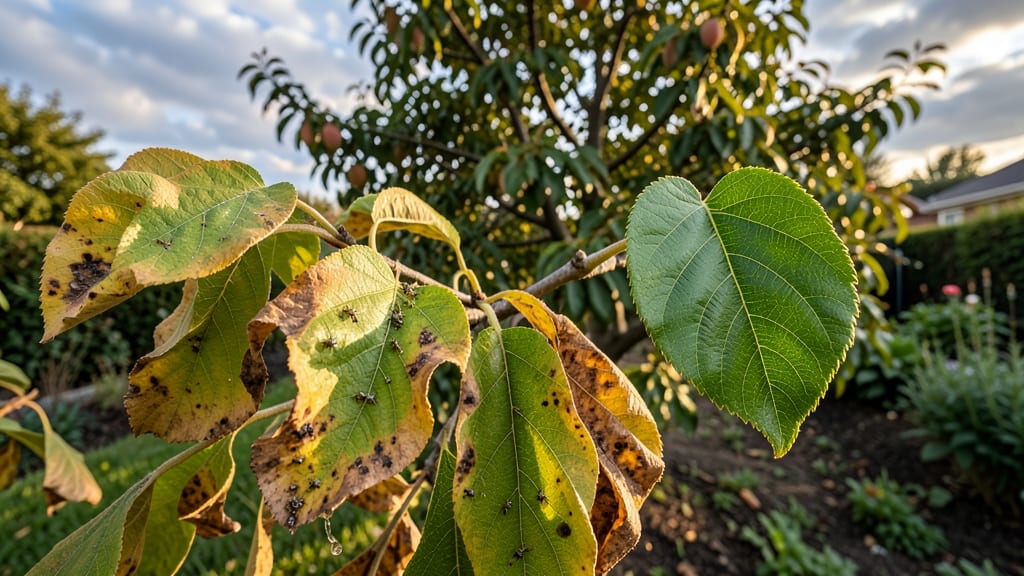
Peach tree leaf wilt turns your backyard into a sad, drooping landscape faster than you think. 🌿 I’ve seen healthy trees go from lush green to sad and wilted in just a few weeks—usually because of hidden problems like fungal infections or watering mistakes.
The good news? Most cases can be fixed with simple steps, and I’ll walk you through exactly what to do. First, you’ll need to figure out why the leaves are wilting—is it fungal spots, pests, or just too much sun?
Check the undersides of leaves for discoloration or tiny bugs, and look for brown patches that signal disease. Once you identify the issue, the fix is straightforward: prune affected branches, adjust watering, or apply the right treatment. No guesswork, just action.
By the end, your tree will look revived with vibrant green foliage again, and you’ll know how to keep it healthy long-term. The key is acting fast—wilting leaves won’t fix themselves. Let’s get your peach tree back to its best in just a few steps.
Most peach tree wilting starts with three common culprits: fungal infections (like bacterial leaf spot), pests (such as spider mites), or environmental stress (like drought or scorching afternoon sun). I’ve seen bacterial leaf spot turn leaves yellow and crispy in days—it’s sneaky. The good news?
You can spot it early by looking for tiny black dots on the undersides of leaves or yellowing between veins. If it’s pests, you’ll notice webbing or tiny specks moving around.
The fix depends on the cause: For fungal issues, prune infected branches and apply a copper fungicide (it works fast). For pests, a strong spray of water or neem oil usually does the trick. And if it’s just heat stress, deep watering in the morning keeps roots happy. The goal?
Stop the spread before it takes over.
Once you’ve identified the problem, the revival process is simple but critical. Start by pruning any wilted or diseased branches with clean, sharp shears—this stops the spread. Then, water deeply at the base of the tree (not the leaves) to avoid fungal growth.
If it’s a fungal issue, a copper-based fungicide applied every 7-10 days for a month will turn things around. For pests, a soapy water spray (1 tsp dish soap per gallon) works wonders. Within two weeks, you should see new growth pushing through, and the wilting should slow down.
The key is consistency—don’t skip treatments, and keep an eye out for recurrence. If the tree doesn’t improve after a month, it might be time to call in a professional arborist to check for deeper issues.
Preventing future wilting is all about proactive care. Mulch around the base of the tree to retain moisture, water deeply but infrequently (peach trees hate soggy roots), and prune regularly to improve airflow.
Avoid overhead watering, and keep an eye out for early signs of stress—yellowing leaves, spots, or wilting in the heat. With these habits, your peach tree will stay lush and productive for years. The best part?
Once you’ve tackled the wilt, your tree will reward you with sweeter fruit and stronger growth. No more sad, drooping branches—just a healthy, thriving peach tree that’s ready to produce for seasons to come.
Root Causes Of Leaf Droop
Understanding why your peach tree’s leaves suddenly wilt is the first step toward saving it. Wilting isn’t just a random act of nature—it’s a distress signal from the tree, often triggered by one or more of these underlying issues.
Let’s break down the science behind the droop and what’s really stressing your peach tree.
Peach trees are semi-tropical and thrive in warm climates, but extreme heat—especially when paired with dry conditions—can push them past their limits. Here’s how it happens:
- Transpiration Overload: On scorching days, leaves lose water faster than roots can absorb it through the soil.
This creates a negative water pressure in the leaf veins, causing them to wilt as a survival mechanism (think of it like a plant version of sweating). - Soil Moisture Depletion: Sandy or rocky soils drain quickly, leaving roots high and dry.
Even well-watered trees can suffer if the topsoil dries out faster than the roots can keep up. - Midday Wilting: If leaves perk up by evening but droop again the next day, heat stress is likely the culprit. This is common in peach trees during summer heatwaves (90°F+).
Actionable Fix:
- Deep Watering: Water slowly and deeply (1–2 inches per week) to encourage roots to grow downward. Use a soaker hose or drip irrigation to avoid runoff.
- Mulch Like a Pro: Apply 3–4 inches of organic mulch (wood chips, straw) to retain moisture and regulate soil temperature. Keep mulch 6 inches away from the trunk to prevent rot.
- Shade Cloth: For young trees or severe heat, temporary 30–50% shade cloth can reduce stress during peak sun hours.
Too much water is just as harmful as too little. Peach trees hate soggy roots, which can lead to anaerobic conditions (lack of oxygen) and fungal infections like Phytophthora, causing leaves to wilt and turn yellow or brown.
- Waterlogged Soil: Heavy clay soils or poor drainage trap excess water, suffocating roots.
Roots need oxygen to function—without it, they can’t absorb nutrients or water efficiently. - Overhead Watering: Wet leaves for extended periods invite fungal spores (like Botryosphaeria) to infect the tree, clogging vascular tissue and restricting water flow. - Compaction Issues: Trapped water in compacted soil prevents roots from expanding, leading to shallow root systems that can’t support the tree during dry spells.
Actionable Fix:
- Test Your Soil: Stick a screwdriver into the soil—if it goes in easily, drainage is good. If it’s hard to push, amend with compost or perlite.
- Adjust Watering: Water only when the top 2–3 inches of soil are dry. Let excess water drain away from the root zone.
- Raise Beds (If Needed): For clay-heavy soils, consider raising the tree slightly with amended soil or a small mound to improve drainage.
Wilting can be a symptom of vascular diseases that block the tree’s plumbing system. Two common culprits in peach trees are: - Bacterial Leaf Scorch (Xylella fastidiosa): Clogs xylem vessels, preventing water transport.
Leaves wilt from the edges inward, often with a scorched appearance. - Silver Leaf Disease (Chondrostereum purpureum): A fungal infection that turns leaves silvery-gray and causes sudden wilting, even in moist conditions.
Red Flags:
- Wilting spreads unevenly (some branches fine, others crispy).
- Oozing sap or dark streaks in cut stems (sign of bacterial invasion).
- Fruits drop prematurely or develop cankers (sunken, dead patches on branches).
Actionable Fix:
- Prune Infected Branches: Cut out wilting or discolored branches 6–12 inches below the damage using sterilized pruners (rubbing alcohol or bleach solution).
- Fungicide/Bactericide Sprays: Use copper-based sprays (for bacterial issues) or neem oil (for fungal prevention) before symptoms appear in spring.
- Remove Debris: Clear fallen leaves and fruit from the base to reduce spore survival.
Some pests chew or inject toxins that disrupt the tree’s water transport system. The most notorious offenders: - Peach Tree Borers: Larvae burrow into the cambium layer (the tree’s "plumbing"), creating galleries that block water flow.
Look for sawdust-like frass at the base of the trunk. - Aphids & Scale Insects: These sap-suckers weaken the tree by draining nutrients, but they can also transmit viral diseases that cause wilting. - Nematodes: Microscopic worms in the soil damage root hairs, reducing the tree’s ability to absorb water.
Red Flags:
- Sawdust-like frass on the trunk or branches.
- Sticky honeydew on leaves (aphid/scale sign).
- Girdling (a ring of dead tissue around the trunk or branches).
Actionable Fix:
- Inspect Trunks: Scrape off bark to check for borer holes or gummy sap. Treat with borer-specific sprays (like Bt spray for larvae).
- Systemic Insecticides: For aphids/scale, use imidacloprid-soaked cotton balls in pruning wounds or horticultural oil sprays.
- Nematode Control: Solarize soil in fall (cover with clear plastic for 4–6 weeks) or apply beneficial nematodes (Steinernema carpocapsae).
Wilting can also signal nutritional imbalances, particularly: - Potassium Deficiency: Leaves wilt along the edges (a condition called scorch) because potassium regulates water movement.
Common in sandy soils or after heavy fruiting. - Magnesium Deficiency: Causes interveinal chlorosis (yellowing between veins) and weakens cell structure, leading to wilting. - Salt or Chemical Burn: Over-fertilizing (especially with synthetic nitrogen) or using road salt runoff can osmotically stress roots, making water uptake difficult.
Red Flags:
- Yellowing between veins (magnesium).
- Brown, crispy leaf edges (potassium).
- Stunted new growth despite wilting.
Actionable Fix:
- Soil Test First: Know your pH and nutrient levels before amending. Aim for pH 6.0–7.0 for peach trees.
- Balanced Fertilizer: Use a low-nitrogen, high-potassium fertilizer (like 5-10-10) in early spring. Avoid high-salt fertilizers like urea.
- Epsom Salt Spray: For magnesium deficiency, spray 1 tbsp Epsom salt per gallon of water monthly during growing season.
Sometimes, wilting is a last-resort survival tactic in response to sudden environmental shocks: - Windburn: High winds desiccate leaves by increasing transpiration rates.
Common in open or exposed plantings. - Hail Damage: Bruised leaves lose turgor pressure and wilt as they struggle to recover. - Cold Snaps: Peach trees are semi-tender—a late frost can damage buds and foliage, causing delayed wilting.
Actionable Fix:
- Windbreaks: Plant fast-growing shrubs (like arborvitae) on the windward side to reduce stress.
- Protect Young Trees: Use frost cloth in spring if frost is forecasted.
- Post-Hail Care: Prune severely damaged leaves and apply anti-transpirant spray (like Wilt-Pruf) to reduce water loss.
Not all wilting is reversible. Watch for these red flags that indicate irreparable harm:
- Leaves stay wilted overnight (healthy leaves recover by morning).
- Branches feel hollow when tapped (borer damage).
- C
Revitalize Your Tree Now
Reviving a peach tree with wilting leaves starts with pinpointing the root cause—and acting fast. Below, we’ve mapped out practical, step-by-step fixes for the most common triggers, along with prevention tips to keep your tree thriving.
Whether it’s thirst, pests, or disease, these solutions are designed to be easy to implement with tools you likely already have.
Signs: Crispy, curled edges or drooping leaves that don’t bounce back after watering.
Step-by-Step Revival:
- 🔥 Check the Soil Moisture
- Stick your finger 2–3 inches deep into the soil. If it’s bone-dry, it’s time to water. If it’s soggy, hold off until it drains better.
- 👨🍳 Deep Watering Technique - For underwatering: Water slowly and deeply (1–2 inches per week) at the base of the tree, not the leaves. Use a soaker hose or drip irrigation to avoid runoff. - For overwatering: Let the soil dry out completely before watering again.
Improve drainage by adding compost or organic matter to heavy clay soil.
- 🌡️ Mulch Like a Pro
- Spread 2–3 inches of mulch (wood chips or straw) around the drip line (outer edge of the canopy) but keep it 6 inches away from the trunk to prevent rot.
💡 Prevention Tip:
- Water in the early morning to reduce evaporation and fungal risks.
- Use a moisture meter for precise readings if your tree is in a tricky microclimate.
Signs: Sticky residue (honeydew), yellowing leaves, or tiny webs on undersides.
Step-by-Step Revival:
- 🔪 Inspect & Isolate
- Shake leaves over a white sheet to spot pests. Focus on new growth and leaf undersides.
- 🍳 Natural Sprays (Safe & Effective) - Soap spray: Mix 1 tbsp mild dish soap + 1 quart water in a spray bottle.
Test on a small leaf first. - Neem oil: Blend 1 tbsp neem oil + 1 tsp horticultural oil + 1 quart water + a drop of soap as an emulsifier. Spray every 5–7 days for 2 weeks.
- 🪰 Physical Removal
- For borers: Prune infested branches (sterilize tools with rubbing alcohol) and seal entry holes with pruning paint.
💡 Prevention Tip:
- Encourage beneficial insects like ladybugs by planting marigolds or dill nearby.
- Avoid over-fertilizing with nitrogen, which attracts soft-bodied pests.
Signs: Yellow spots with dark borders, white powdery coating, or leaves dropping prematurely.
Step-by-Step Revival:
- ⏰ Prune & Clean Up
- Remove all infected leaves/branches and sterilize pruners with 70% rubbing alcohol.
- Rake up fallen leaves to reduce spores.
- 🌿 Fungicide Options
- Baking soda spray: Mix 1 tsp baking soda + 1 tbsp oil + 1 quart water. Spray weekly until symptoms fade.
- Copper fungicide: Follow label rates for preventative applications (best in early spring).
- 🌡️ Improve Airflow
- Thin the canopy by pruning overlapping branches to let sunlight and air circulate.
💡 Prevention Tip:
- Water at the base (avoid wetting leaves) and water early to prevent evening moisture buildup.
- Space trees properly (15–20 feet apart) to reduce humidity pockets.
Signs: Sudden wilting after extreme weather, stunted growth, or pale leaves.
Step-by-Step Revival:
- 🌳 Provide Shade & Windbreaks
- Use lightweight shade cloth (30–50%) during heatwaves (100°F+).
- Plant fast-growing shrubs (like privet) as a windbreak if your tree is exposed.
- 🥗 Boost Soil Health
- Test soil pH (ideal: 6.0–7.0 for peach trees). Amend with lime (to raise pH) or sulfur (to lower it) if needed.
- Add compost (2–3 inches) around the root zone and water deeply to help nutrients absorb.
- 💪 Support Weak Trees
- Stake young trees if they’re struggling with wind, but remove stakes once the tree is established (after 1–2 years).
💡 Prevention Tip:
- Mulch heavily in late winter to protect roots from temperature swings.
- Avoid heavy pruning in summer heat—opt for early spring instead.
✨ Pro Tip for All Causes:
- Monitor your tree daily for 30 days post-treatment—wilting can return if the underlying issue isn’t fully addressed.
- Fertilize lightly with balanced 10-10-10 in early spring to support recovery (avoid high-nitrogen in summer).
Frequently asked questions about peach tree leaf wilt
Why do peach tree leaves wilt in the afternoon but perk up at night?
This classic pattern usually signals heat stress or underwatering. During scorching afternoons, leaves lose water faster than roots can absorb it, causing wilting. If they recover overnight, your tree is likely just struggling with transpiration overload. Try deep watering in the morning and adding 2-3 inches of mulch to retain moisture. For severe heatwaves, temporary shade cloth (30-50%) can make a big difference.
What's the difference between fungal leaf spot and heat stress wilting?
Fungal leaf spot shows distinct dark spots with yellow halos on leaves, often with white powdery growth underneath. Heat stress wilting appears as general drooping without discoloration, and leaves usually recover overnight. Another key difference: fungal spots spread unevenly while heat stress affects entire branches uniformly. If you see spots, prune infected branches immediately and apply copper fungicide.
Can overwatering cause peach tree leaf wilt?
Overwatering creates anaerobic conditions that suffocate roots, preventing them from absorbing water properly. Look for yellowing leaves with brown edges and soil that stays soggy for days. The fix: Let soil dry completely between waterings and improve drainage by adding compost or perlite. Never let water pool around the trunk - peach trees need well-drained soil to thrive.
How do I know if my peach tree's wilting is permanent?
Wilting becomes permanent when leaves stay crispy and brown overnight (healthy leaves recover by morning) or when branches feel hollow when tapped (sign of borer damage). Also watch for premature fruit drop or cankers (sunken dead patches) on branches. If you see these signs, the tree may be beyond saving, but pruning back to healthy wood and treating remaining branches aggressively might still produce fruit next season.
What's the fastest way to revive a severely wilted peach tree?
Start with a deep soak watering (1-2 inches) at the base, then apply an anti-transpirant spray like Wilt-Pruf to reduce water loss. For immediate results, combine this with 1 tbsp Epsom salt per gallon of water (for magnesium deficiency) and neem oil spray (for pests). Keep the tree shaded for 24-48 hours while it recovers. Most trees show improvement within 3-5 days if the root system is still healthy.