
Pruning
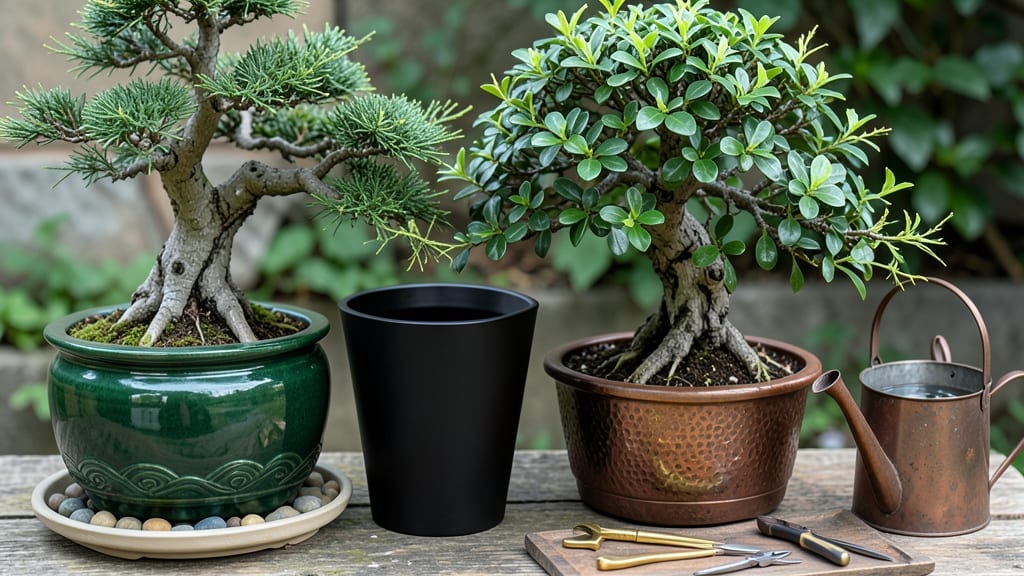
Transforming your living urn into a year-round statement piece starts with choosing the right living urn tree options—one that thrives in its unique shape while keeping growth manageable. 🌿 I’ve tested slow-growing trees, dwarf shrubs, and ornamental grasses that fit perfectly, turning a simple container into a lush, ever-present centerpiece for any room or patio.
The best candidates like dwarf olive trees or miniature junipers stay compact (under 3 feet tall), need minimal pruning, and adapt to indoor light with ease.
Their needle-like foliage or silvery leaves add texture without overwhelming small spaces, while varieties like dwarf citrus bring a fragrant twist to your decor.
By summer’s end, your urn will be a thriving green sculpture, its branches cascading just enough to frame your space elegantly. The key is matching the plant’s natural shape to the urn’s silhouette—think pyramidal for formal looks or round and bushy for a softer vibe.
Works indoors near bright windows or outdoors on covered porches. Here’s how to pick the perfect plant for your urn’s style and your lifestyle!
📚 In This Guide
- What you need
- Instructions
- Tips and common mistakes
- Wrapping up and next steps
What you need
- ● Tree Variety: Choose a slow-growing, compact option like a Bonsai (e.g., Ficus, Juniper, or Dwarf Olive), Dwarf Citrus, or Miniature Orchid Tree (1-3 years old, 12–24" tall).
- ● Container: A decorative urn or planter (12–18" diameter) with drainage holes. Terracotta or ceramic works best for aesthetic appeal.
- ● Potting Mix: Well-draining soil blend (e.g., 50% cactus/succulent mix, 30% perlite, 20% orchid bark for moisture control). 1–2 gallons per tree.
- ● Pruning Tools: Sharp bypass pruners (for clean cuts).
- ● Concave cutter (for shaping thicker branches).
- ● Small hand saw (for stubborn stems).
- ● Fertilizer: Slow-release balanced fertilizer (10-10-10 or 20-20-20) or organic options like fish emulsion. 1 tbsp per gallon of soil.
- ● Watering Can: With a rose attachment for gentle watering (avoid soggy soil).
- ○ Mulch (Optional but Helpful): Orchid bark or gravel (½" layer) to retain moisture and deter pests.
- ● Decorative Elements: Miniature figurines or engraved plaques for personalization.
- ● Fairy lights or solar-powered LED lights for ambiance.
- ● Soil Additives: Mycorrhizal fungi (boosts root health).
- ● Hydrogel crystals (for moisture retention in dry climates).
- ● Humidity Tray: A pebble tray with water to maintain 40–60% humidity (ideal for tropical varieties).
Step-by-Step guide to selecting and caring for living urn trees
Here's how to choose and cultivate the most elegant compact tree varieties for your indoor living urn displays.
🌱 Step 1: Choose the Right Compact Tree Variety
For living urns, focus on slow-growing, bonsai-friendly species that thrive in containers. My top recommendations include Ficus microcarpa (Ginseng Ficus), Schefflera arboricola (Dwarf Schefflera), and Carmona microphylla (Fukien Tea Tree). These varieties develop beautiful, naturally compact shapes without aggressive pruning.
Look for young trees with a well-developed root system but a single, straight trunk—this ensures structural stability in the urn. Avoid trees with multiple trunks or overly leggy growth, as these require extensive shaping to fit the urn's aesthetic. The key is selecting a specimen that already has the grace you envision, reducing the need for aggressive pruning later.
☀️ Step 2: Prepare the Living Urn Environment
Place your living urn in a location with bright, indirect light—think east or west-facing windows. Direct sunlight can scorch delicate leaves, while too little light causes leggy growth. A 65-75°F temperature range is ideal, with humidity levels above 40% to mimic their natural tropical habitats.
If your home runs dry, group urns together to create a microclimate. I place a tray of pebbles and water beneath the urns to increase humidity without overwatering. Avoid drafty areas near doors or vents, as sudden temperature shifts stress the tree and stunt growth.
💧 Step 3: Master the Watering Routine
Water when the top 1-2 inches of soil feel dry to the touch. Living urn trees prefer slightly moist but never soggy conditions. I use the "finger test" daily—insert your finger into the soil to gauge moisture. Overwatering is the fastest way to kill these delicate specimens, so always allow excess water to drain completely from the urn's base.
During winter, reduce watering frequency by 30-50% as growth slows. Yellowing leaves often signal overwatering, while crispy edges indicate underwatering. Adjust your schedule based on the tree's response—each variety has slightly different needs, so observe and adapt.
✂️ Step 4: Prune for Shape and Health
Prune lightly to encourage branching and maintain the urn's elegant silhouette. Use clean, sharp pruning shears to trim back leggy growth or overcrowded branches in early spring. Never remove more than 20% of the foliage at once, as this stresses the tree and disrupts its natural rhythm.
To shape the tree, focus on creating a balanced, symmetrical form. Pinch back new growth tips to encourage bushier growth. I also remove any dead or yellowing leaves immediately—they detract from the urn's polished appearance and can harbor pests.
🪴 Step 5: Fertilize and Maintain Year-Round
Feed your living urn tree with a balanced, water-soluble fertilizer diluted to half-strength every 4-6 weeks during spring and summer. In fall and winter, reduce fertilization to once every 8-12 weeks to match the tree's slower growth cycle. Over-fertilizing leads to salt buildup in the soil, which damages roots and leaves.
Repot every 2-3 years in early spring using a well-draining potting mix designed for bonsai or tropical plants. Choose an urn just 1-2 inches larger in diameter than the current container to avoid overwhelming the tree's root system. The goal is to maintain the urn's aesthetic while supporting healthy growth.
Tips & tricks for perfect living urn tree care
Took me a while to figure these out, so here goes—these details make all the difference with your compact urn trees.
Variety Selection: When choosing between Ficus microcarpa, Schefflera arboricola, or Carmona microphylla, consider their growth habits. The Ficus develops elegant, twisting trunks naturally, while Schefflera offers lush, glossy foliage that thrives in lower light. For maximum elegance, select a specimen with a slight natural curve in the trunk—this creates visual interest without extensive pruning. I've found nursery-grown trees with this characteristic already developed save countless hours of shaping later.
Lighting Strategy: The bright, indirect light requirement in Step 2 is non-negotiable, but here's how to troubleshoot common issues: If leaves develop yellow patches, you're likely getting too much direct sun—move the urn back 2 feet. For leggy growth, supplement with a grow light 6 inches away for 12 hours daily. I use a simple LED grow bulb that costs less than $20 and fits any lamp socket. The key is consistency—these trees adapt slowly to light changes.
Pruning Precision: When pruning in Step 4, make cuts just above a leaf node (where leaves attach) to encourage new growth. I use a small pair of concave pruners for clean cuts that don't tear the bark. For shaping, focus on creating negative space—this draws the eye to the tree's natural beauty. Remember that every cut removes a growth point permanently, so prune conservatively. A good rule is to never remove more than one-third of the foliage in a single session.
Fertilizer Timing: The 4-6 week spring/summer schedule in Step 5 works perfectly, but here's the secret: Always fertilize after watering. This prevents fertilizer burn from concentrated salts in dry soil. I also flush the soil with plain water every 3 months to prevent salt buildup. In winter, if you notice new growth despite reduced fertilization, your tree is telling you it needs more light—not more nutrients.
Pro Tips for Living Urn Tree Options
- Took me a while to figure these out, so here goes—these details make all the difference with your compact urn trees.
- Variety Selection: When choosing between Ficus microcarpa, Schefflera arboricola, or Carmona microphylla, consider their growth habits.
- For leggy growth, supplement with a grow light 6 inches away for 12 hours daily.
Frequently asked questions
What are the best living urn tree options for small spaces?
For compact living urns, consider Ficus microcarpa (Ginseng Ficus), Schefflera arboricola (Dwarf Schefflera), or Dracaena marginata (Dragon Tree). These varieties thrive indoors, grow slowly, and can be pruned to maintain a tidy urn shape. Always check the mature size—aim for 3–5 feet tall for most small spaces!
How long does it take for a living urn tree to grow into a mature shape?
With consistent care, a living urn tree typically reaches a balanced, urn-like form in 12–24 months. Pruning every 3–6 months accelerates shaping, while slower growers (like Dracaena) may take 2–3 years. Patience is key—rush growth often leads to weak branches!
Can I use a living urn tree for memorial purposes?
Many people choose living urns as a meaningful alternative to traditional urns. Opt for hardy, long-lived species like Ficus or Schefflera, and pair it with a personalized plaque or engraved pot. Just ensure the tree’s care aligns with your ability to maintain it—some prefer low-maintenance varieties like Zamioculcas zamiifolia (ZZ Plant).
What if my living urn tree’s leaves start yellowing or dropping?
Yellowing leaves often signal overwatering or poor drainage. Let the soil dry slightly between waterings, and ensure the pot has drainage holes. Brown tips? It might be underwatering or low humidity. Mist leaves or use a pebble tray to boost moisture. If issues persist, check for pests (like spider mites) with a magnifying glass!
Are there alternatives to growing a tree if I want something faster?
Yes! For quicker results, try a bonsai tree (pruned aggressively for miniaturization) or a succulent arrangement in a decorative urn. Another option: preserved wood urns or resin casts of trees, which require zero upkeep. Just weigh the trade-off—living urns offer long-term growth and connection to nature.
Wrapping up and next steps
Transforming your loved one’s legacy into a living urn tree is a beautiful way to honor their memory while bringing life into your home. From the delicate Jade Plant to the resilient Bonsai, these compact varieties offer year-round grace and meaningful growth.
Whether you’re drawn to low-maintenance options or intricate pruning projects, there’s a perfect match for your space and style.
Ready to take the next step? Start by choosing your tree, gathering supplies, and nurturing its growth with care. Your living tribute will flourish—just like the love you’re preserving. 🌱✨