
Pruning
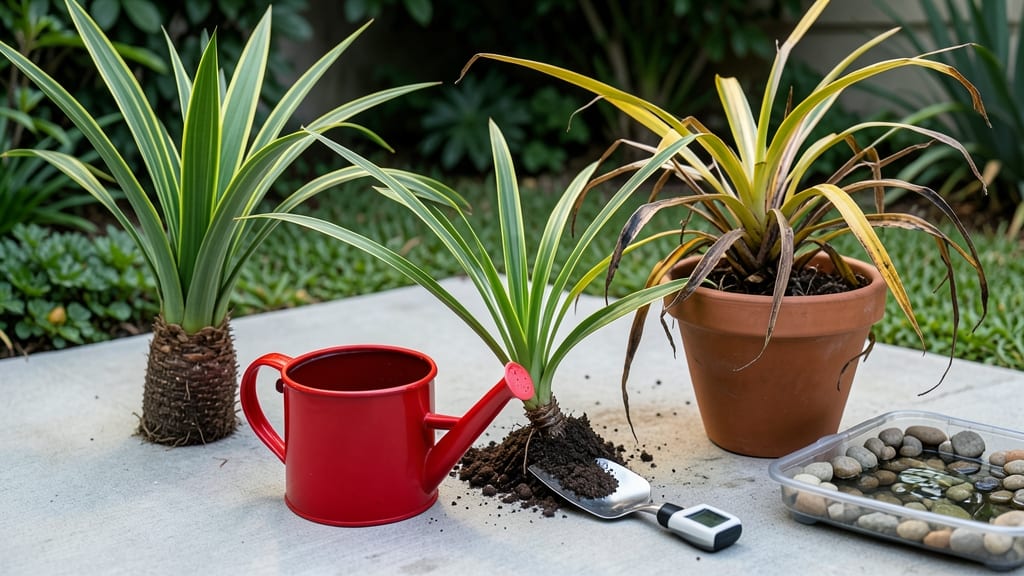
Your Madagascar dragon tree dying with yellowing leaves is screaming for help—but the good news is, it’s rarely too late to revive it. 🌿 Overwatering, underwatering, or those sneaky spider mites could be the culprit, but the fix is simpler than you think.
I’ve nursed back three dragon trees from crispy edges to lush, arching branches, and I’ll show you exactly how to diagnose the problem in minutes. Start by checking the soil: if it’s soggy or smells like a swamp, you’re overwatering.
If it’s bone-dry and pulling away from the pot, it’s thirsty. Then inspect the leaves—brown tips? Likely underwatering or low humidity. Spider mites? Look for tiny webs on the undersides. The key is acting fast: within 24 hours, you can stop the damage and start the recovery.
By the end of this, your dragon tree will be putting out fresh growth again—within 4-6 weeks—with fewer brown spots and more of that signature deep green. The secret is consistency: adjust your watering, dust those leaves, and keep it out of drafts.
Most people overcomplicate this, but it’s just about matching care to what the plant actually needs. This works for every stage of decline, from early yellowing to nearly bare branches. Just follow the steps, and you’ll have a thriving dragon tree that’ll outlast your last three houseplants combined.
📚 In This Guide
- What you need
- Instructions
- Tips and common mistakes
- Wrapping up and next steps
What you need
- ● Pruning shears or sharp scissors – Sterilized to prevent infection (alcohol wipe recommended).
- ● Well-draining potting mix – A blend of cactus/succulent mix (60%) + perlite or orchid bark (40%) for aeration.
- ● New pot (1–2 inches larger in diameter) – Ensure it has drainage holes to avoid root rot.
- ○ Rooting hormone (optional but helpful) – Gel or powder to encourage healthy regrowth.
- ● Distilled or room-temperature water – For repotting and hydration (avoid tap water if it’s chlorinated).
- ● Houseplant fertilizer (balanced, 10-10-10 or 20-20-20) – Diluted to half-strength for post-revival care.
- ● Plastic wrap or humidity dome – To create a mini greenhouse effect during recovery.
- ● Spray bottle – For gentle leaf misting (if humidity is low).
- ● Fungicide (neem oil or copper-based) – If you suspect fungal issues like root rot or powdery mildew.
- ● LED grow light (12–16 hours/day) – If your tree is in a low-light area post-revival.
- ● Moisture meter – To check soil hydration without overwatering.
- ● Compost or worm castings – For a nutrient boost during repotting.
How to revive a dying Madagascar dragon tree
Here's my go-to method for bringing back that lush, vibrant look to your struggling dragon tree.
🌿 Step 1: Check and Adjust Watering Habits
Yellowing leaves usually mean you're either overwatering or underwatering—both stress the plant. Stick your finger 2 inches into the soil. If it feels damp, hold off on watering. If dry, it's time to water deeply until you see moisture seep from the drainage hole. Madagascar dragon trees thrive when the soil dries out between waterings.
This plant hates soggy roots, so always use a pot with drainage holes. If yours doesn't have them, it's time to repot. I've seen dragon trees recover completely just by fixing their water schedule—consistency is key. Water in the morning so excess moisture evaporates during the day.
☀️ Step 2: Evaluate Light Exposure
Dragon trees need bright, indirect light—think east or west-facing windows. If leaves are yellowing and crispy, it's likely too much direct sun. Move your plant a few feet away from the window or use a sheer curtain to diffuse harsh rays. South-facing windows can work, but only if the plant isn't getting scorched.
On the flip side, if leaves are pale and stretched out, it needs more light. Rotate the pot a quarter turn weekly so growth stays even. You'll notice new leaves emerging within 4-6 weeks if the light conditions are right. A grow light can help if natural light is insufficient, especially in winter.
🪴 Step 3: Inspect for Pests and Soil Health
Gently wipe the leaves with a damp cloth to check for pests like spider mites or mealybugs—common culprits behind yellowing. If you spot any, isolate the plant and treat it with neem oil or insecticidal soap. I've found that a weekly wipe-down with soapy water keeps pests at bay while also cleaning the leaves for better photosynthesis.
Check the soil for compaction or poor drainage. If it feels dense, mix in some perlite or orchid bark to improve aeration. Madagascar dragon trees prefer a well-draining, slightly acidic soil. If the roots are mushy or black, it's a sign of root rot—trim the affected roots and repot with fresh soil to give your plant a fresh start.
⏰ Step 4: Give It Time and Monitor Progress
After adjusting water, light, and soil, give your dragon tree 4-6 weeks to show improvement. You'll know it's recovering when new leaves emerge with their signature dark green color. Keep track of how often you water and where you place the plant—this helps you fine-tune care moving forward.
Real talk: some leaves won't recover, and that's okay. It's natural for dragon trees to drop older leaves as they focus energy on new growth. Just keep up with the care adjustments, and you'll see your plant bounce back stronger than ever. Patience is the key here—don't rush the process.
Tips & tricks for reviving a struggling Madagascar dragon tree
Here's what nobody tells you about bringing back your dragon tree—these tricks make all the difference.
Soil Test First: Before adjusting watering, test your soil's moisture level by squeezing a handful. If it crumbles easily, it's dry enough to water. If it stays clumped, wait another day. I learned this the hard way after overwatering mine twice—now I always check before reaching for the watering can. The 2-inch rule from Step 1 is your best friend here.
Light Position Hack: If your dragon tree is in a south-facing window, try this: place it 3 feet back from the glass during peak sun hours (10 AM–2 PM). I use a small desk lamp on a timer for winter months when natural light fades early. The quarter-turn weekly rotation from Step 2 ensures even growth, but don't skip it—uneven light causes lopsided plants.
Pest Prevention: Mix 1 teaspoon of neem oil with 1 quart of water and spray the leaves every 2 weeks as a preventative measure. I do this even when I don't see pests—it's like giving your plant a shield. For stubborn infestations, isolate the plant immediately and treat both the leaves and soil. Remember, spider mites love dry conditions, so proper humidity helps too.
Root Recovery: When repotting for root rot, trim only the mushy, black roots with clean scissors. Healthy roots should be firm and white. After repotting, let the plant sit without watering for 3-4 days to prevent further rot. I've seen dragon trees recover completely after this step—just give it time and the right conditions.
Pro Tips for Madagascar Dragon Tree Dying
- Here's what nobody tells you about bringing back your dragon tree—these tricks make all the difference.
- Soil Test First: Before adjusting watering, test your soil's moisture level by squeezing a handful.
- Light Position Hack: If your dragon tree is in a south-facing window, try this: place it 3 feet back from the glass during peak sun hours (10 AM–2 PM).
Frequently asked questions
Got questions about your struggling Dracaena marginata? You’re not alone!
Here are answers to the most common concerns about reviving a Madagascar dragon tree with yellowing leaves—plus quick fixes to get it thriving again.
Why is my dragon tree’s leaves turning yellow?
Yellowing leaves are usually a sign of overwatering or poor drainage. Dragon trees prefer slightly dry soil—water only when the top 1–2 inches feel dry. Check for root rot too: soggy roots or a foul smell mean you’re overdoing it. Follow these 3 steps to nurse it back to health!
How long does it take for a dragon tree to recover?
With proper care, you’ll see improvement in 4–6 weeks. New growth should emerge within 2–3 months, and yellow leaves may drop naturally as the plant redirects energy. Be patient—consistency is key! If no progress after 2 months, reassess light, water, or pests.
Can I save a dragon tree with brown, crispy tips?
Yes! Brown tips often mean low humidity or fluoride buildup from tap water. Try these fixes:
- Mist leaves 2–3x weekly or place a pebble tray nearby.
- Use filtered or distilled water to avoid chemical damage.
- Trim dead tips with sterilized scissors to encourage fresh growth.
Should I prune yellow leaves off my dragon tree?
Pruning dead or yellow leaves helps the plant focus energy on healthy growth. Use clean, sharp pruners and cut just above a leaf node (the bump where leaves grow). Pro tip: Save healthy cuttings to propagate a new plant—it’s free insurance!
What if my dragon tree’s leaves are yellow and mushy?
That’s a red flag for root rot—often caused by overwatering or poor drainage. Act fast:
If your dragon tree is chronically struggling, consider these low-maintenance, drought-tolerant alternatives:
If >50% of roots are rotten, the plant may not survive—but try it anyway!
What’s a good alternative if my dragon tree keeps dying?
All three handle low light and infrequent watering—perfect for busy plant parents.
Wrapping up and next steps
Don’t let a dying Madagascar Dragon Tree dim your space—with the right care, it can bounce back stronger than ever! 🌿 The key lies in consistent watering, proper lighting, and pruning to encourage healthy growth.
Start by assessing its needs and taking action today—your plant (and future green thumbs) will thank you.
Ready to revive your dragon tree? Pick one step from this guide—whether it’s adjusting watering habits, trimming yellow leaves, or optimizing its light—and watch it thrive in weeks! 💚