
Orchid Care
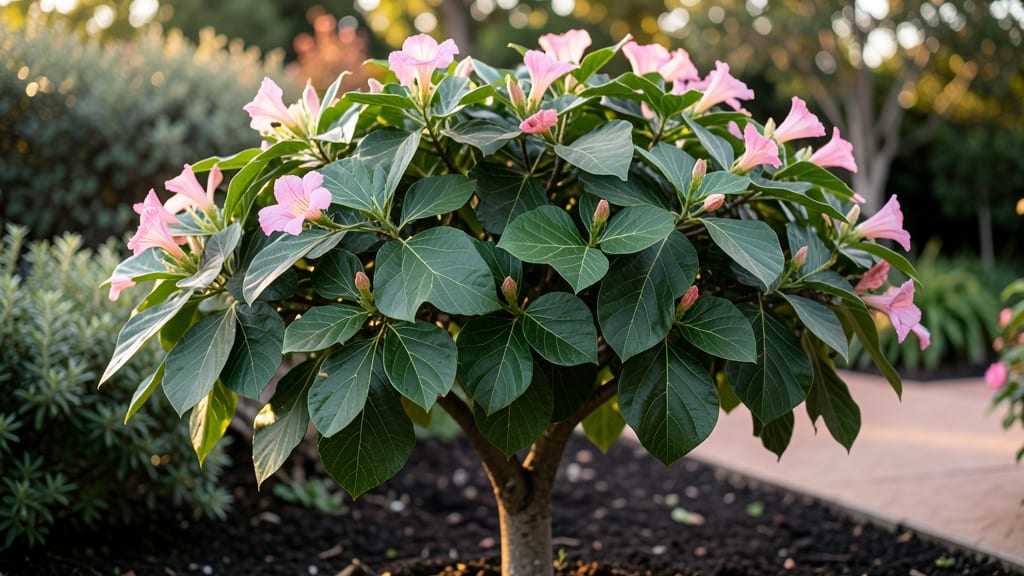
Your orchid tree leaves stay stunning all year when you prune them the right way—it’s not about cutting back, but about guiding growth. 🌿 I learned this the hard way after my first pruning session left my Bauhinia looking more like a sad bush than a lush focal point.
The secret lies in timing, technique, and understanding how these tropical trees respond to seasonal shifts.
Start by pruning right after flowering, when new growth begins to sprout. Use clean, sharp shears to trim just above a leaf node—never leave stubs—and focus on shaping rather than drastic cuts. This encourages fuller foliage and prevents those pesky yellowing leaves that scream "stress."
With the right approach, your orchid tree will reward you with vibrant, glossy leaves that stay lush even in winter.
📚 In This Guide
- What you need
- Instructions
- Tips and common mistakes
- Wrapping up and next steps
What you need
- ● Pruning shears: Bypass pruners (sharp, 6-8" blades) for clean cuts—1 pair (sterilize with rubbing alcohol before/after use).
- ● Gloves: Heavy-duty gardening gloves (protects from thorns and sap)—1 pair.
- ● Disinfectant: 70% isopropyl alcohol or hydrogen peroxide (3%)—small bottle.
- ○ Sealing agent (optional but recommended): Pruning sealant (e.g., Tanglefoot Tree Wound Pruning Seal) or
- ● Beeswax + pine tar (DIY mix: 1 part beeswax to 2 parts pine tar, melted together).
- ● Rag or paper towels: For wiping tools and sap—2-3 sheets.
- ● Trash bag or compost bin: For clippings—1 large bag.
- ● Timing: Prune during dormant season (late winter/early spring) or right after blooming (avoid pruning during active growth or flowering).
- ● Weather: Choose a dry, overcast day (humidity can stress cuts).
- ● Research: Identify your orchid tree’s growth habit (e.g., Bauhinia variegata vs. Bauhinia purpurea)—some respond better to hard pruning than others!
- ● Safety: Wear closed-toe shoes (thorns are sharp!).
- ● Keep children/pets away during pruning.
- ● Ladder or step stool: For tall trees—ensure it’s stable and non-slip.
- ● Marking spray: White spray paint to mark cuts (helps visualize shape).
- ● Root stimulator: Mycorrhizal powder (sprinkle on cuts if repotting).
- ● Camera: Snap before/after photos to track progress!
How to maintain orchid tree leaves through strategic pruning
Here's the simple science behind keeping your orchid tree's foliage vibrant all year—no guesswork, just proven techniques.
🌿 Step 1: Identify Healthy Growth and Pruning Triggers
Start by examining your orchid tree's branches. Look for three key visual cues: new growth points (nodes) where leaves meet the stem, clusters of three or more mature leaves, and any leggy stems stretching toward light. These are your pruning targets. I always prune just above a node with at least two healthy leaves remaining—this ensures the plant has energy reserves to regrow.
Don't prune during flowering season. Wait until blooms fade completely and new growth appears. You'll know it's time when you see small buds forming at the base of the plant. This timing prevents stress and maximizes foliage density. Use clean, sharp pruners to make cuts at a 45-degree angle—this reduces water pooling and disease risk.
✂️ Step 2: Trim Back Leggy Stems and Encourage Bushiness
Focus on stems that have lost their lower leaves or grown excessively long and thin. Cut these back to a node with two healthy leaves—this forces the plant to redirect energy into side shoots. I like to prune one-third of the plant's total height at a time to avoid shocking it. For example, if your orchid tree is 3 feet tall, aim to reduce it to about 2 feet after pruning.
Watch for new shoots emerging within 2-4 weeks. These will become your bushier growth. If you notice any yellowing leaves during this period, it's normal—just remove them completely to redirect energy. Never leave stubs; always cut cleanly at the node. This precision keeps your tree looking intentional, not hacked.
☀️ Step 3: Adjust Light and Water After Pruning
Move your orchid tree to a bright, indirect light spot for the first 2 weeks after pruning. Direct sunlight can scorch new growth while it's vulnerable. You'll see the leaves adjust by becoming darker green and slightly thicker as they acclimate. If your home has only low light, supplement with a grow light for 12 hours daily—this prevents leggy regrowth.
Water lightly but frequently during this recovery phase. Stick your finger 1 inch into the soil—if it feels dry, water until moisture reaches 2 inches deep. Avoid soggy soil, which causes root rot. You'll notice new leaves unfurling within 3-5 weeks—this is your reward for patience. Reduce fertilizing for 4 weeks post-prune to let the plant focus on regrowth.
🌱 Step 4: Maintain Year-Round Leaf Health
Every 3 months, inspect your orchid tree for yellowing, curled, or sparse leaves. These are signs it's time for a light maintenance trim. Remove only the problem leaves—never more than 10% of the plant's total foliage at once. I use my fingers to gently twist off dead leaves; they'll snap cleanly at the base. This keeps the plant tidy without stressing it.
Rotate your orchid tree quarter-turn weekly to ensure even light exposure. You'll see this in symmetrical growth—no one side stretching toward the window. Dust leaves monthly with a damp cloth; they'll thank you with shinier, more vibrant foliage. This simple habit prevents pests and improves photosynthesis. A healthy orchid tree should have at least 20 leaves at all times—if it drops below, it's time to reassess light or watering.
Tips & tricks for perfect orchid tree pruning
Here's what nobody tells you about keeping your orchid tree lush without the guesswork.
The Pruning Angle Matters: That 45-degree cut isn't just for looks—it prevents water from pooling at the wound, which drastically reduces disease risk. I use a small mirror to check my angle before cutting. This simple habit keeps your tree healthy for years. The cleaner the cut, the faster the plant can heal and regrow.
Timing is Everything: The 2-4 week window for new shoots to emerge is your best indicator of success. If you don't see new growth by week 4, your pruning was too aggressive. I keep a pruning journal to track when I cut and when new shoots appear—this helps me adjust future pruning. Remember, you're not just cutting branches; you're shaping the plant's future growth pattern.
Light Adjustments Save Time: That 12-hour grow light recommendation isn't just about extra light—it's about creating a consistent day-night cycle. I place my grow light on a timer to automate this, which prevents the leggy growth that happens when plants stretch toward inconsistent light sources. The key is mimicking natural daylight patterns as closely as possible.
Root Rot Prevention: The 1-inch soil check isn't just about moisture—it's about giving your roots breathing room. I use a moisture meter to verify when the top inch is dry before watering. Overwatering is the #1 killer of orchid trees after pruning, so this simple tool saves me from root rot disasters every time. The goal is moist but never soggy soil during recovery.
Pro Tips for Orchid Tree Leaves
- Here's what nobody tells you about keeping your orchid tree lush without the guesswork.
- The Pruning Angle Matters: That 45-degree cut isn't just for looks—it prevents water from pooling at the wound, which drastically reduces disease risk.
- Timing is Everything: The 2-4 week window for new shoots to emerge is your best indicator of success.
Frequently asked questions
Got questions about keeping your orchid tree’s leaves thriving? You’re not alone! Here are some of the most common concerns—plus quick, science-backed answers to keep your tree lush year-round.
When is the best time to prune orchid tree leaves for optimal regrowth?
Prune during the early spring (just before new growth starts) or late winter. Avoid heavy pruning in fall or winter, as the tree focuses on dormancy. Light trimming to shape or remove dead leaves can happen anytime, but major cuts should wait for active growth. Pro tip: Use sterilized tools to prevent disease!
How do I tell if I’m over-pruning my orchid tree leaves?
Over-pruning shows up as yellowing leaves, stunted growth, or bare branches. If you’ve cut back more than 1/3 of the foliage in one session or see excessive leaf drop, you’ve gone too far. Orchid trees are resilient but need healthy leaves to photosynthesize. Fix it: Reduce future cuts and fertilize lightly to encourage recovery.
Can I use orchid tree leaves for anything besides decoration?
While not edible, orchid tree leaves (like Bauhinia or Cascabela) are biodegradable and can be composted. Some gardeners use dried leaves as natural mulch or even craft them into potpourri. Just avoid toxic varieties like Cascabela thevetia (yellow oleander), which are highly poisonous to pets and humans.
Why are my orchid tree leaves turning brown after pruning?
Brown edges after pruning usually mean underwatering, stress, or fungal exposure. Check these fixes:
- Water deeply (but avoid soggy soil).
- Trim at a 45° angle just above a leaf node.
- Apply neem oil if brown spots spread (fungus risk).
Are there low-maintenance alternatives to orchid trees with similar leaves?
Yes! Try these leafy, drought-tolerant picks:
Plant
Why It Works
Ficus benjamina (Weeping Fig)
Glossy leaves, thrives in indirect light, and recovers well from pruning.
Schefflera (Umbrella Tree)
Hardy, fast-growing, and tolerates occasional neglect.
Dracaena marginata (Dragon Tree)
Architectural leaves, minimal pruning needs, and pet-friendly (non-toxic).
Wrapping up and next steps
Caring for your orchid tree’s leaves doesn’t have to be a mystery—just a little pruning science and consistency go a long way! 🌿 By mastering the right techniques, you’ll keep those vibrant leaves thriving year-round, ensuring your tree stays healthy, lush, and full of life.
Whether you’re trimming for shape, health, or new growth, you’re now equipped with the know-how to make it happen.
Ready to put your skills to the test? Pick a sunny day, grab your tools, and give your orchid tree the love it deserves! Your green thumb is closer than you think—just start small and watch your tree flourish. 🌟