
Pruning
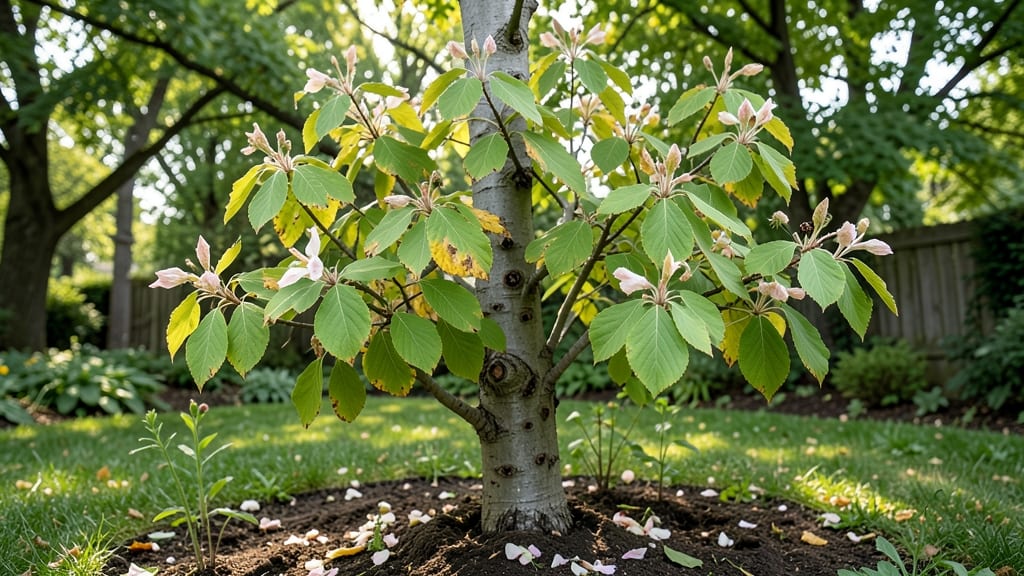
Your dogwood tree isn’t just wilting—why is my dogwood tree dying? It’s sending SOS signals through browned leaves and bare branches. 🌳 I’ve seen this heartbreak play out too many times, and the good news is most dogwood decline comes from fixable issues, not a death sentence.
The first step is identifying whether your tree is fighting disease, pests, or simply struggling with its environment.
Start by checking for dark, sunken spots on leaves (anthracnose) or white powdery coatings (mildew), both of which thrive in wet conditions. Then inspect the bark for sawdust-like frass (borers) or sticky residue (scale).
Environmental stress often shows up as yellowing leaves (overwatering) or crispy edges (underwatering), while nutrient deficiencies reveal themselves in purple stems (phosphorus) or yellow veins (magnesium).
Once you pinpoint the problem, solutions are straightforward: prune infected branches, adjust watering schedules, or apply targeted fungicides for diseases. My dogwood bounced back dramatically after I corrected watering and added 2-3 inches of mulch—now it’s thriving with vibrant pink blooms every spring.
The key is acting fast before the tree’s energy reserves get completely drained.
Prevention is easier than rescue: space trees properly, water deeply but infrequently, and monitor for early signs of stress. With the right care, your dogwood can rebound—and next year, you’ll be the envy of the neighborhood when those iconic flowers return. Let’s get your tree back on track.
Hidden Threats Killing Dogwoods
Dogwood trees (Cornus florida) are stunning spring bloomers, but they’re surprisingly fragile when stressed. If your dogwood is wilting, losing leaves, or refusing to flower, the culprit is often lurking beneath the surface—literally.
Understanding these silent killers is the first step to revival. Let’s dig into the root causes (pun intended) and why they’re sabotaging your tree’s health.
Fungal diseases like anthracnose and powdery mildew thrive in dogwoods, especially in humid, rainy climates. These pathogens attack leaves, stems, and even the bark, causing:
- Dark, sunken spots on leaves (anthracnose)
- White, powdery coatings (powdery mildew)
- Premature leaf drop in late spring/early summer
- Cankers (dead, sunken areas) on branches
Why it happens: Fungi spread via spores carried by wind, rain, or contaminated tools. Dogwoods are especially vulnerable when:
- Planted in shady, poorly draining soil (fungi love moisture)
- Stressed by drought or overwatering (weakened defenses)
- Infected from last year’s fallen leaves (spores overwinter)
Actionable fix: Prune infected branches 12 inches below the canker, sterilize tools with 70% alcohol, and apply copper fungicide in early spring. 💡 Pro tip: Space dogwoods 6–10 feet apart to improve airflow and reduce fungal spread.
Dogwoods hate soggy feet. Phytophthora root rot and Pythium thrive in waterlogged soil, suffocating roots and cutting off nutrients. Signs include:
- Yellowing leaves (even in moist soil)
- Mushrooms sprouting at the base
- Soft, mushy roots when dug up
- Slow decline despite regular watering
Why it happens: Dogwoods need well-draining soil (pH 4.5–6.0). Root rot occurs when:
- The tree is planted in clay-heavy or compacted soil
- Irrigation systems overwater or lack drainage
- Mulch piles smother the trunk (keep mulch 3–4 inches deep)
Actionable fix: Improve drainage by amending soil with compost or sand, and avoid watering at the base. If severe, grafting a new rootstock (a professional task) may be needed.
Dogwood borers (Saperda calcarata) and dogwood anthracnose beetles tunnel into bark and cambium, disrupting nutrient flow. Watch for:
- Sawdust-like frass (borer poop) at branch junctions
- Wilting branches despite healthy leaves
- Holes in stems or bark
Why it happens: Weak trees (from drought, poor soil, or disease) attract borers. Adult beetles lay eggs in cracks or wounds, and larvae burrow in, creating galleries that block sap flow.
Actionable fix: Prune and burn or bag infested branches (do not compost!). Apply systemic insecticide (like imidacloprid) in early spring, and seal fresh pruning cuts with pruning sealant to deter egg-laying.
Dogwoods are native to understory habitats—they need dappled shade and protection. Full sun, extreme heat, or harsh winds stress them out, leading to:
- Leaf scorch (brown, crispy edges)
- Stunted growth or no flowers
- Winter dieback in young trees
Why it happens: Dogwoods prefer:
- Morning sun + afternoon shade (avoid west-facing exposure)
- Moist, well-draining soil (they’re not drought-tolerant)
- Windbreaks (like fences or shrubs) to reduce desiccation
Actionable fix: Plant in partial shade (3–6 hours of sun/day), mulch heavily (3–4 inches of wood chips), and water deeply 1–2x/week in dry spells. ✨ Pro tip: Avoid planting near sidewalks or driveways—root competition from turfgrass drains soil moisture.
Most dogwood declines stem from a combination of these factors. The good news? With targeted fixes—fungicides, drainage tweaks, or pest control—your tree can bounce back. 🔥 Next step: Diagnose your dogwood’s symptoms with our interactive symptom checker to pinpoint the exact issue.
Revive Your Dogwood Tree Now
If your dogwood tree is struggling, don’t panic—most issues can be fixed with the right care! Below are targeted solutions for common causes, along with prevention tips to keep your tree thriving. Follow these steps to nurse your dogwood back to health and avoid future problems.
Problem: Compacted, waterlogged, or nutrient-poor soil can suffocate roots, leading to decline.
Solution: ✅ 🔥 Improve Soil Drainage
- If your soil is heavy clay, mix in 2–3 inches of compost or organic matter (like peat moss or aged bark) to loosen it.
- For waterlogged areas, raise the root zone by mounding soil around the base or installing a French drain if needed.
✅ 💧 Adjust Watering Habits
- Dogwoods prefer moist (not soggy) soil. Water deeply 1–2 times per week (more in extreme heat).
- Test drainage by digging a small hole near the roots—if water pools after 30 minutes, amend the soil.
✅ 🌡️ Fertilize Smartly
- Use a balanced, slow-release fertilizer (10-10-10 or 20-20-20) in early spring.
- Avoid high-nitrogen fertilizers—they can burn roots and attract pests.
- Pro tip: 💡 A soil test (available at garden centers) tells you exactly what nutrients are missing.
Prevention:
- Mulch properly—apply 2–3 inches of mulch (wood chips or bark) around the base, keeping it 6 inches away from the trunk to prevent rot.
Problem: Too much sun or shade can stress a dogwood, causing leaf scorch or weak growth.
Solution: ✅ 🌿 Find the Right Spot
- Dogwoods thrive in partial shade (4–6 hours of sun daily). If yours is in full sun, provide afternoon shade with a temporary shade cloth.
- If it’s in deep shade, gradually acclimate it to more light over 2–3 weeks to avoid shock.
✅ 🌳 Prune for Better Airflow
- Remove crowding branches or nearby trees/shrubs that block sunlight.
- Lightly prune in late winter/early spring to open up the canopy.
Prevention:
- Plant in the right location from the start—dogwoods do best under dappled sunlight (like under tall trees).
Problem: Powdery mildew, borers, or scale insects can weaken and kill a dogwood.
Solution: ✅ 🍳 Treat Fungal Issues (Powdery Mildew, Anthracnose)
- Remove infected leaves and dispose of them in the trash (don’t compost).
- Spray with neem oil or fungicide (like copper fungicide) every 7–10 days until new growth appears.
- Water in the morning to let foliage dry quickly—fungi love damp leaves!
✅ 🔪 Stop Borer and Scale Infestations
- For borers: Apply borer-specific insecticide (like imidacloprid) deep into the bark in early spring.
- For scale: Spray with horticultural oil in late winter before buds swell.
- Encourage natural predators—ladybugs and lacewings eat scale insects!
Prevention:
- Keep your dogwood healthy—stressed trees attract pests! Follow watering and fertilizing tips above.
- Clean up fallen leaves in autumn to reduce fungal spores.
Problem: Freeze-thaw cycles or late frosts can damage buds and branches.
Solution: ✅ 🌡️ Protect Against Late Frosts
- If frost is forecasted after buds swell, cover the tree with a frost blanket at night.
- Avoid pruning in late winter—wait until after the last frost to prevent new growth from freezing.
✅ 💪 Encourage New Growth
- If branches are blackened or mushy, prune them back to healthy wood (look for green beneath the bark).
- Fertilize lightly in early spring to boost recovery.
Prevention:
- Choose cold-hardy dogwood varieties (like Cornus florida ‘Cherokee Brave’) if you live in a harsh climate.
- Mulch heavily in winter (4–6 inches) to insulate roots.
If your dogwood is beyond saving (e.g., extensive borer damage, root rot, or disease spread), it’s time to replace it.
✅ 🌱 How to Remove Safely
- Cut the trunk at the base with a clean saw.
- Dispose of infected wood (don’t burn—it can spread spores).
- Test soil before replanting to ensure it’s healthy.
✅ 🌳 Choosing a New Dogwood
- Pick a disease-resistant variety (e.g., Cornus florida ‘Rubra’, Cornus kousa).
- Plant in the correct location (partial shade, well-draining soil).
Final Pro Tip: 🎯 Monitor your tree regularly—catching issues early (like yellowing leaves or sawdust-like frass) makes recovery much easier!
With the right care, your dogwood can bounce back stronger than ever—and reward you with stunning spring blooms for years to come. 🌸
Frequently asked questions
Why do my dogwood leaves turn brown and crispy at the edges?
This is classic leaf scorch, usually caused by too much sun exposure or underwatering. Dogwoods prefer partial shade (4-6 hours of sun daily)—if yours gets harsh afternoon sun, provide shade cloth. Water deeply 1-2 times per week (more in heatwaves) and check soil moisture by digging 2 inches deep—it should feel damp but not soggy.
Can I save my dogwood if it has powdery white spots on the leaves?
Yes! Those are signs of powdery mildew, a fungal disease. Prune infected branches immediately and dispose of them (don't compost). Spray with neem oil or copper fungicide every 7-10 days until new growth appears. Improve airflow by spacing trees 6-10 feet apart and water in the morning so leaves dry quickly.
What should I do if my dogwood's bark has holes and sawdust-like frass?
That's dogwood borer damage—larvae tunneling under the bark! Prune and burn or bag infested branches (don't compost). Apply borer-specific insecticide (like imidacloprid) deep into the bark in early spring. Seal fresh pruning cuts with pruning sealant to prevent egg-laying. For severe cases, consult an arborist about systemic treatments.
How often should I water a struggling dogwood tree?
Dogwoods need consistent moisture but hate soggy roots. Water deeply 1-2 times per week (more in extreme heat), aiming for 1-1.5 inches of water per session. Check soil moisture by digging 2-3 inches deep—water when it feels dry. Avoid overhead watering (especially in evening) to prevent fungal diseases. Mulch with 2-3 inches of wood chips to retain moisture.
Is my dogwood dying from too much shade or too much sun?
Both extremes stress dogwoods! Too much sun causes leaf scorch (brown edges), while too much shade leads to weak growth and no flowers. Ideal light is morning sun + afternoon shade. If your tree is in full sun, provide temporary shade cloth. If it's in deep shade, gradually move it to brighter conditions over 2-3 weeks to avoid shock.