
How To
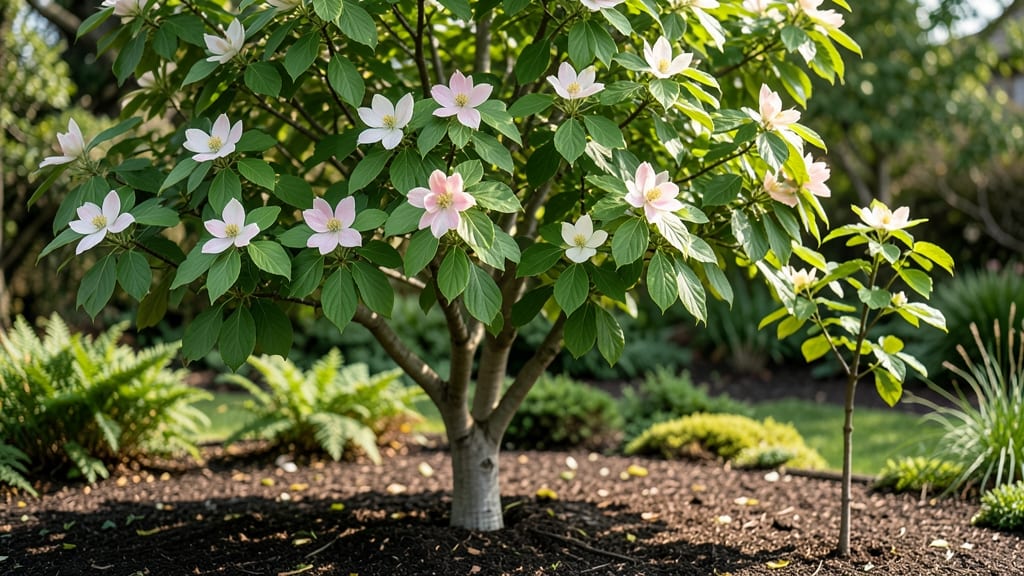
A dogwood tree grows anywhere from 10 to 35 feet at maturity, but how tall does a dogwood tree grow really depends on the variety and growing conditions—making it a versatile choice for everything from small yards to large landscapes.
If you’re dreaming of a stunning shade tree with delicate blooms but aren’t sure how much space to allocate, understanding dogwood tree height is critical—some varieties reach towering heights while others stay compact enough for small yards.
The most common species, like the flowering dogwood (Cornus florida), typically mature between 20 and 30 feet, while dwarf varieties like 'Cherokee Brave' top out around 12 feet. Pacific dogwoods can even stretch toward 35 feet in ideal conditions.
In this guide, I’ll break down exact heights by variety, spacing tips for healthy growth, and how to choose the perfect dogwood for your space—whether you’re planting a single specimen or designing a full garden.

Dogwood tree height by variety: exact mature sizes for planning
Choosing the right dogwood tree for your landscape starts with understanding dogwood tree height by variety. These trees range from compact shrubs under 10 feet to towering specimens reaching 35 feet tall, making proper spacing essential for their long-term health and beauty.
Whether you're designing a small urban garden or a sprawling estate, knowing the mature height of dogwood trees helps you plan for shade, bloom displays, and future pruning needs.
Most dogwood varieties fall into three main categories: flowering dogwoods (the classic ornamental types), Pacific dogwoods (hardier western species), and ironwood dogwoods (smaller, multi-stemmed shrubs). Each group has distinct growth habits that affect how quickly they reach their maximum height and how wide their canopies spread.
For example, a standard flowering dogwood may take 10-15 years to reach its full 25-30 foot height, while a dwarf variety could mature in just 5-7 years at 8-10 feet.
Here’s the key data you need to select the perfect dogwood for your space, including growth rates and spacing recommendations to prevent overcrowding:
The Pacific dogwood (Cornus nuttallii) is the tallest variety, often reaching 30-35 feet with a broad canopy—ideal for large properties or as a specimen shade tree.
In contrast, dwarf varieties like Cornus florida 'Cherokee Brave' stay under 12 feet, making them perfect for small yards, containers, or foundation plantings. Even these compact types benefit from 3-4 feet of clearance from structures to prevent root competition and allow
Best dogwood trees for small yards vs large properties: space-saving options
Choosing the right dogwood tree depends entirely on your available space. Compact varieties like Cornus florida 'Cherokee Brave' stay under 15 feet tall, making them perfect for tight urban gardens or small yards.
Meanwhile, standard varieties like Cornus florida 'Rubra' can reach 25+ feet, ideal for large landscapes or as shade trees in spacious backyards.
For small yards, prioritize dwarf dogwoods that maintain a 10-15 foot height at maturity. These varieties offer the same stunning blooms and seasonal interest without overwhelming your space. In contrast, large properties can accommodate taller dogwoods that provide dramatic shade and year-round structure.
Here’s a quick comparison to help you decide:
Compact Dogwoods (Under 15 ft)
- Perfect for small yards or containers
- Lower maintenance needs for pruning
- Easier to shape and train for desired look
- Limited shade coverage for large areas
- Fewer large-scale landscape design options
Large Dogwoods (25+ ft)
- Provides ample shade for patios or play areas
- Ideal for large landscapes or park-like settings
- More dramatic seasonal interest
- Requires more space and careful planning
- Higher pruning maintenance for height control
- Potential root competition with nearby plants
If you’re working with limited space, consider pruning techniques to maintain height. For example, heading back branches in late winter can encourage bushier growth and keep your dogwood under control. Always use sterilized pruners to prevent disease spread, and avoid cutting into old wood, which may not regrow.
For large properties, focus on spacing and soil prep to support rapid growth. Plant your dogwood at least 15 feet away from structures or other trees to allow for root expansion. Amend the soil with compost and organic matter to encourage strong, healthy growth from the start.
No matter your space, dogwoods offer versatile beauty—whether you choose a compact variety for your patio or a tall specimen for your backyard centerpiece. With the right care, your dogwood will thrive and become a focal point for years to come. 🌳