
How To
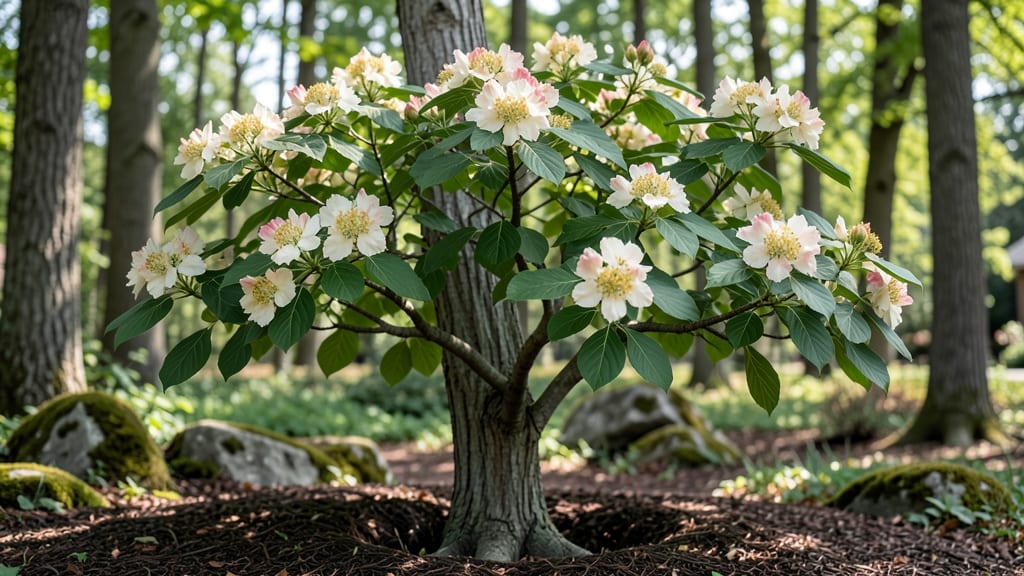
A dogwood tree can grow anywhere from 10 to 30 feet tall, depending on the variety and growing conditions — a range that lets you choose the perfect fit for your yard, whether you want a modest accent tree or a striking shade provider.
If you're dreaming of a stunning, low-maintenance tree but worry about space constraints, dogwood trees offer the perfect balance. Their elegant blooms and vibrant foliage make them a garden favorite, but their mature height can vary wildly.
Some stay compact enough for small yards, while others reach towering heights that dominate the landscape.
Understanding the differences between varieties like Cornus florida (flowering dogwood) and Cornus kousa (Kousa dogwood) is the key to picking the right one for your space. Climate also plays a role — cooler zones may see slower growth, while warmer areas could encourage taller, faster-maturing trees.
In this guide, you'll discover how to choose the right dogwood for your yard, how to manage its height naturally, and why proper spacing and care make all the difference in keeping your tree healthy and beautiful for decades.

Dogwood tree height by variety: small to towering mature sizes
Dogwood trees are prized for their stunning spring blooms and vibrant foliage, but their mature height can vary dramatically depending on the variety. From compact cultivars perfect for small yards to towering specimens that anchor large landscapes, choosing the right type ensures your dogwood thrives without overwhelming your space.
Let’s explore the height ranges of popular dogwood varieties, including Cornus florida and Cornus kousa, so you can pick the perfect fit for your garden.
One of the most beloved dogwoods, Cornus florida, typically reaches 15–30 feet at maturity, making it ideal for medium to large yards. However, some dwarf and semi-dwarf varieties stay under 10 feet, perfect for urban gardens or as specimen plants.
Meanwhile, Cornus kousa, known for its disease resistance, often grows slightly smaller—usually 15–25 feet—but still delivers breathtaking blooms and glossy foliage.
The comparison-table below breaks down key dogwood varieties by their mature height, ideal growing conditions, and best landscape uses. Use this guide to select a dogwood that aligns with your yard’s size, sunlight, and soil type.
| Variety | Mature Height | Sunlight Needs | Best For |
|---|---|---|---|
| 'Cherokee Brave' (Cornus florida) | 15–20 ft | Partial shade | Medium yards, shade trees |
| 'Stellar Pink' (Cornus florida) | 15–25 ft | Partial shade | Ornamental focal points |
| 'Kousa Dogwood' (Cornus kousa) | 15–25 ft | Partial shade | Disease-resistant landscapes |
| 'Rotundifolia' (Cornus florida) | 10–15 ft | Partial shade | Small yards, containers |
| 'Golden Sunlight' (Cornus kousa) | 12–15 ft | Full sun to partial shade | Sun-tolerant gardens |
| 'Cloud 9' (Cornus florida) | 8–10 ft | Partial shade | Urban gardens, patios |
For gardeners with limited space, varieties like 'Cloud 9' or 'Rotundifolia' are excellent choices, topping out at just 8–15 feet. These compact dogwoods thrive in partial shade and are perfect for small yards, patios, or even large containers.
Their smaller stature doesn’t compromise their beauty—these cultivars still produce show-stopping blooms and vibrant fall foliage.
If you’re working with a larger landscape, taller varieties like 'Stellar Pink' or 'Cherokee Brave' will make a dramatic statement. These trees can reach 20–25 feet, providing year-round interest with their spring flowers, summer foliage, and autumn color.
Their height also makes them ideal for anchoring garden beds or creating natural privacy screens.
When selecting a dogwood, consider your soil type and sunlight exposure. Most dogwoods prefer well-draining, acidic soil and partial shade, though some hybrids like 'Golden Sunlight' tolerate more sun.
Amending clay soil with organic matter can improve drainage and encourage healthier growth, helping your dogwood reach its full potential height.
Dogwoods are relatively low-maintenance, but proper pruning can help manage height and shape. Prune in late winter or early spring to remove dead or crossing branches, and avoid heavy pruning, which can stress the tree.
For varieties prone to powdery mildew, ensure good air circulation by spacing trees appropriately and avoiding overhead watering.
Whether you’re designing a cozy backyard retreat or a grand landscape, dogwoods offer versatility in both height and style. By choosing the right variety and providing optimal growing conditions, you’ll enjoy a stunning, long-lived tree that enhances your outdoor space for decades.
🌳
How climate zones affect dogwood tree growth and maximum height
Your dogwood tree's maximum height isn't set in stone—it's heavily influenced by your USDA hardiness zone. In colder zones (3–5), dogwoods grow slower but reach shorter mature heights due to winter stress, while southern zones (7–9) allow faster growth and taller varieties.
Understanding these patterns helps you pick the right cultivar for your climate and manage expectations for spacing and pruning.
For example, in Zone 4, a Cornus florida might max out at 15–20 feet due to harsh winters, while in Zone 8, the same variety could easily hit 25–30 feet with ideal conditions.
The key is matching your dogwood's natural growth habits to your local climate to avoid disappointment or overcrowding.
In northern climates (Zones 3–5), focus on cold-hardy cultivars like 'Cherokee Princess', which thrive in freezing temps but grow more slowly. These varieties often develop a sturdier trunk to combat winter winds, which can limit their height.
If you're in these zones, consider planting near a southern-facing wall to extend the growing season and encourage faster growth.
Southern gardeners in Zones 7–9 have the luxury of faster-growing dogwoods like 'Cherokee Brave', which can add 2 feet per year under ideal conditions. However, excessive heat can stress dogwoods, leading to leaf scorch or stunted growth.
To mitigate this, mulch heavily in summer and provide afternoon shade during peak heat waves. Prune lightly in late winter to remove dead branches and encourage airflow.
Regardless of your zone, pruning strategies should adapt to climate. In colder zones, prune after flowering to avoid exposing tender wood to late frosts. In warmer zones, prune in early spring to remove winter-damaged branches.
Always use sterilized tools to prevent disease spread, which is more common in humid southern climates.
Pro tip: If space is limited, dwarf dogwoods like 'Golden Tiara' (a Cornus florida cultivar) can reach only 6–10 feet at maturity, making them perfect for small yards in Zones 5–9. These varieties grow at a slower rate but still deliver stunning blooms and foliage without overwhelming your landscape.