
Plants
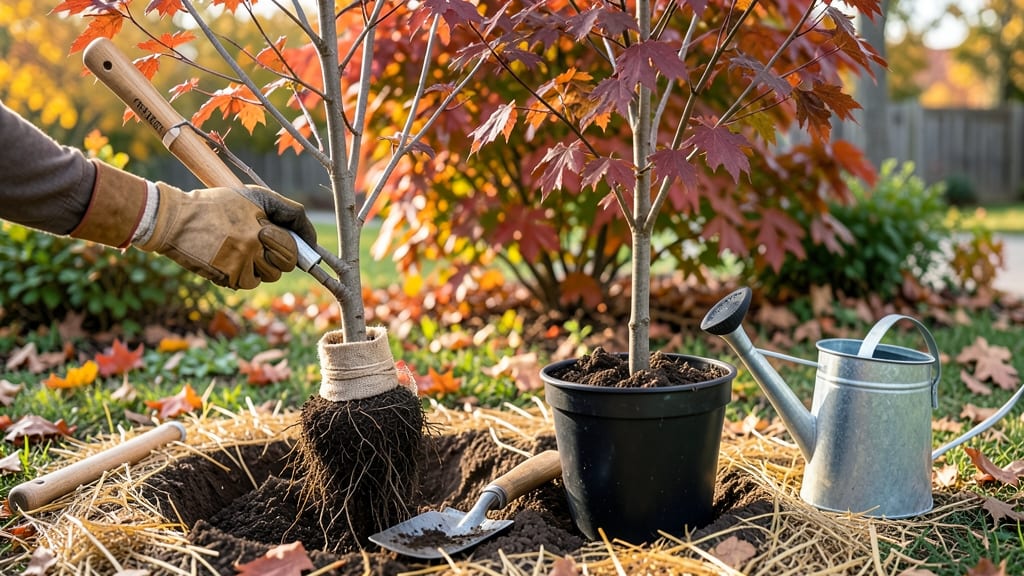
Planting a dogwood tree in fall gives it a strong start—just time it right to avoid winter stress.
Picture this: You dig a hole in late November, only to watch your new dogwood 🌳 struggle through a harsh winter. The difference between a thriving tree and one that barely makes it?
Planting it 4-6 weeks before frost in your zone. That window is your golden ticket to root growth before the ground freezes.
Fall planting works because cooler temps mean less transplant shock, and the tree focuses on roots instead of leaves. But skip the last month of the season, and you risk stunted growth—or worse, a tree that won’t survive.
Below, I’ll break down the exact timing for your USDA zone, plus soil prep tricks to set your dogwood up for years of stunning blooms.
Ready to plant? You’ll also learn how to water, mulch, and protect your tree through winter so it wakes up strong next spring. Let’s get those roots growing!
Optimal fall planting windows by USDA hardiness zones
Fall planting gives dogwood trees a critical head start by allowing roots to establish before winter dormancy. But the perfect timing varies drastically across USDA hardiness zones 3-9, where frost dates and soil temperatures shift dramatically.
In Zone 3, for example, you’ll need to plant 6-8 weeks before the first frost, while Zone 9 gardeners have until late November. Understanding these zone-specific windows ensures your dogwood thrives—not just survives—its first winter.
Dogwood trees prefer cooler fall soil temperatures between 50°F and 60°F for optimal root growth. If you plant too early, roots may overgrow before dormancy, leaving them vulnerable to freeze-thaw cycles. Planting too late risks stunted root development before winter sets in.
Below, I’ve broken down the ideal planting windows for each zone, including soil temperature thresholds and regional microclimate adjustments to prevent winter stress.
In Zones 3-4, where winters are harsh, I recommend planting mid-September to early October to ensure roots establish before soil temperatures drop below 50°F. This window aligns with cooler but still active soil conditions, giving roots time to spread 6–12 inches before dormancy.
For urban areas in these zones, consider heated root zones or microclimate pockets near buildings, which retain heat longer.
Gardeners in Zones 5-6 have a slightly longer window—late September to mid-October—but must monitor soil temperatures closely. If your area experiences early frosts, prioritize planting by October 1st to avoid root shock from sudden cold.
In rural areas, where nights cool faster, plant on the earlier side of the window to mitigate risk.
For Zones 7-8, the October to early November window offers more flexibility, but don’t wait too long. Dogwood roots grow best between 60°F–65°F, so planting after mid-November may result in minimal root development before winter.
In coastal regions, where winters are milder, you can push the deadline to late November, but always check 10-day forecasts for frost warnings.
In Zone 9, the early November deadline is non-negotiable. Soil temperatures here stay warm longer, but ground temps can drop below 50°F by December. Planting in November ensures roots have 4–6 weeks of active growth before dormancy.
If you’re in a high-desert area, like parts of Arizona, consider container planting to control soil warmth longer.
Regardless of your zone, always test soil moisture before planting. Dogwood roots need consistent moisture but hate soggy soil. If your region experiences dry falls, schedule planting after a light rain or water deeply 24 hours before transplanting. This hydration head start reduces transplant shock
Signs your fall planting timing is perfect (or too late)
Fall planting gives your dogwood tree a critical 6-week head start on root growth before winter dormancy. But how do you know if it's the perfect time? Look for these key indicators that your soil and weather are ready for planting success.
First, check your local frost date. Plant your dogwood 4-6 weeks before the first expected frost—this ensures roots establish before cold sets in. For example, in USDA Zone 6a, aim for mid-October to early November. If you're unsure, check your local cooperative extension office for precise dates.
Next, examine the soil temperature. Ideal planting occurs when soil temps drop to 60-65°F (15-18°C). Use a soil thermometer to test—if temps are still above 70°F (21°C), wait a week or two. Cool soil prevents root shock and encourages faster establishment.
🌳Key takeaway🌳
✅ Perfect Fall Planting Conditions
Observe your dogwood tree's foliage—if leaves are still green and healthy, it's ready for transplanting. Brown or crispy leaves signal the tree is entering dormancy too early. Also, check for new root growth at the nursery; young roots indicate the tree is actively growing and can handle transplanting.
Don't ignore weather forecasts—avoid planting during rainy periods or when hard frosts are predicted. Cloudy, cool days with light rain are ideal for handling and planting. If your area experiences unseasonable warmth, delay planting to prevent transplant shock from sudden cold snaps.
Finally, test your soil moisture. Well-draining soil should feel moist but not soggy when you squeeze it. If your soil is bone-dry, water it 24 hours before planting to help roots settle in.
Overly saturated soil can suffocate roots, so avoid planting after heavy rains unless the ground dries out.
If you miss the ideal window, don't panic—you can still plant in early December in warmer zones (7-9), but prioritize mulching and watering to protect young roots. The earlier you plant, the better your dogwood's chances of thriving in its first year!