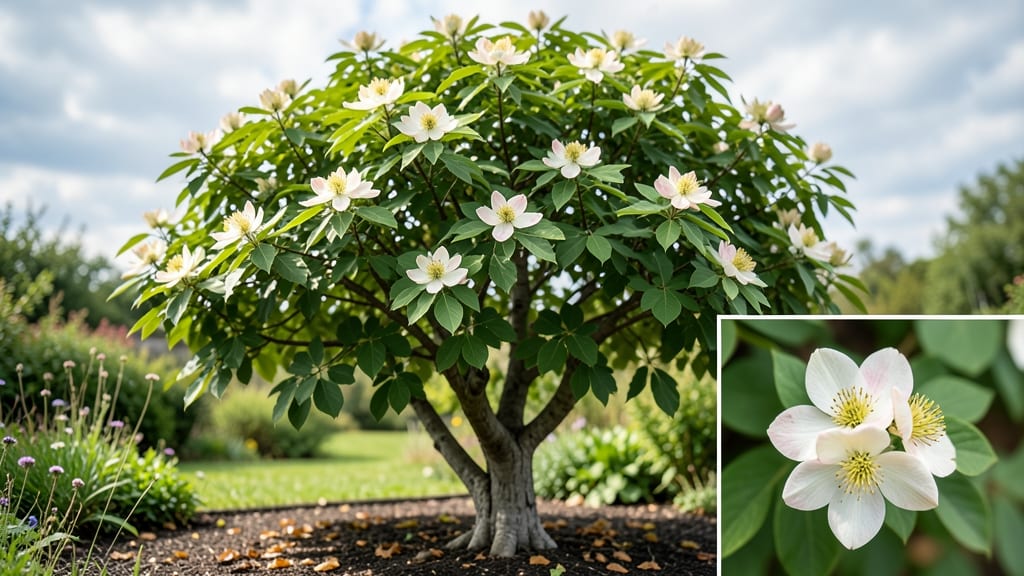
Wondering how tall a dogwood tree grows? These trees reach heights between 15 and 30 feet at maturity, depending on the variety and growing conditions, making them a versatile choice for any landscape.
If you're dreaming of adding a stunning dogwood tree to your landscape but wondering whether it’ll dwarf your backyard or blend seamlessly into the scenery, you’re in the right place.
The classic flowering dogwood, like Cornus florida, typically reaches 20 to 30 feet, while its cousin, the Kousa dogwood, stays slightly shorter at 15 to 25 feet. Smaller varieties, such as dwarf dogwoods, can remain under 6 feet, perfect for compact gardens or containers.
In this guide, you’ll discover how sunlight, soil, and pruning habits influence height, plus tips to manage growth and keep your dogwood tree thriving for decades.
Dogwood Tree Height Range
10 ftto30 ft
0 ft
3 ft
6 ft
9 ft
12 ft
🌱
Tall Tree
Dogwood tree height ranges by variety: from dwarf to giant
Choosing a dogwood tree for your landscape means balancing stunning spring blooms with long-term space planning. The mature height of a dogwood can vary dramatically—from compact shrub-like varieties to towering specimens.
For example, the Cornus florida typically reaches 20–30 feet, while dwarf cultivars like ‘Cherokee Brave’ stay under 6 feet. Understanding these differences ensures you pick the perfect fit for your yard’s layout and style.
Dogwood trees also exhibit unique growth habits that influence their height and spread. Some varieties grow upright with a single trunk, while others develop multi-stemmed or spreading forms.
The ideal spacing between trees depends on their mature size—planting a 25-foot dogwood too close to a 6-foot variety can create an unbalanced look or lead to competition for resources. Let’s explore the height ranges of popular dogwood varieties and how to use them effectively in your garden.
🌳
| Variety |
Mature Height |
Spread |
Growth Habit |
Ideal Spacing |
| Cornus florida (Flowering Dogwood) |
20–30 ft |
15–25 ft |
Upright, multi-trunk |
20–25 ft from structures |
| Cornus florida ‘Cherokee Brave’ |
6–8 ft |
5–7 ft |
Compact, rounded |
8–10 ft apart |
| Cornus kousa (Kousa Dogwood) |
15–25 ft |
15–20 ft |
Upright, dense canopy |
15–20 ft from structures |
| Cornus kousa ‘Milky Way’ |
12–15 ft |
10–12 ft |
Multi-stemmed, bushy |
10–12 ft apart |
| Cornus alternifolia (Pagoda Dogwood) |
12–20 ft |
10–15 ft |
Pyramidal, layered branches |
12–15 ft from structures |
| Cornus sericea (Red Osier Dogwood) |
6–12 ft |
5–8 ft |
Shrub-like, suckering |
6–8 ft apart |
| Cornus florida ‘Rubra’ |
15–20 ft |
12–18 ft |
Upright, vase-shaped |
15–20 ft from structures |
| Cornus stolonifera ‘Flaviramea’ |
6–10 ft |
5–7 ft |
How growing conditions affect dogwood tree height: sun, soil, and climate factors
Dogwood trees thrive under specific conditions that directly impact their mature height. The sunlight exposure, soil quality, and climate zone all play critical roles in determining whether your dogwood will reach its full potential or stay compact.
Understanding these factors helps you plan for the perfect placement and care routine to achieve your desired tree size.
For example, a flowering dogwood (Cornus florida) in full sun may grow taller and faster, while the same variety in partial shade could remain shorter with denser foliage.
Similarly, acidic, well-draining soil promotes healthier root development, allowing the tree to reach its maximum height, whereas poor soil can stunt growth significantly.
🌳
Growing Conditions & Their Impact on Dogwood Height
Sunlight Exposure
- Full Sun (6+ hours): Promotes faster growth, reaching 20-30 ft for standard varieties.
- Partial Shade (3-6 hours): Encourages slower, denser growth, often 15-20 ft.
- Too Much Shade: Can stunt growth to under 10 ft.
Soil Type
- Acidic, Well-Draining: Ideal for optimal growth, supporting 15-30 ft heights.
- Clay or Compacted: Slows growth, often resulting in 10-15 ft trees.
- Sandy Soil: May require extra watering to prevent stunted growth.
Climate Zones
- USDA Zones 6-9: Ideal for most dogwood varieties, reaching full mature height.
- Zone 4 or Below: Growth may be slower, staying under 15 ft.
- Hot, Dry Climates: Can stress trees, limiting height to 10-15 ft.
In USDA Zones 6-9, where dogwoods flourish, you’ll see the most dramatic height variations based on sunlight. A Kousa dogwood (Cornus kousa), for instance, can grow up to 25 ft in full sun but may only reach 15 ft in partial shade.
This difference is crucial for small yards or urban landscapes where space is limited.
Pruning also plays a key role in controlling height. Regular structural pruning in early spring can keep your dogwood at a manageable size, while selective pruning removes only the tallest branches to maintain a balanced shape.
For example, pruning back one-third of the tallest branches annually can reduce overall height by 3-5 ft over time.
If you’re in a hotter climate (Zone 8-9), your dogwood may grow more slowly due to heat stress, often staying under 20 ft. In contrast, cooler zones like Zone 6 provide ideal conditions for rapid growth, with some varieties exceeding 30 ft without intervention.
Always consider your local climate when selecting a variety and planning its placement.
🌿
★★★★★4.6(7 reviews)