
Pruning
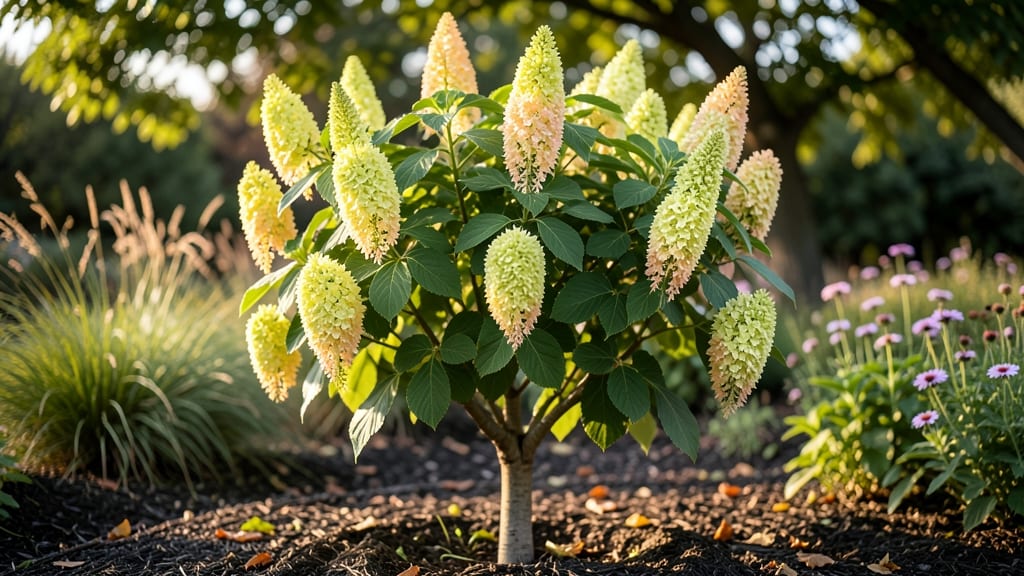
Your hydrangea tree in fall transforms from summer showstopper to a textured winter masterpiece—with the right care. 🌿 The secret lies in late-season pruning that preserves next year’s blooms while keeping the foliage looking stunning through frost.
I’ve learned the hard way that cutting too late or too aggressively turns vibrant bushes into bare sticks by spring.
Fall is all about balance: removing spent blooms to redirect energy to roots, shaping for airflow to prevent winter rot, and protecting tender stems from late-season freezes. Most people skip this step entirely, but it’s what turns a good hydrangea into a year-round standout.
Start when about half the leaves have browned—usually late October in most zones—but before hard frost hits.
By winter, your tree will still boast that signature hydrangea silhouette, its papery seed heads adding rustic texture to snow-dusted branches. The roots, now fortified from fall’s energy boost, will push out fresh growth earlier in spring. Plus, you’ll avoid the heartbreak of next summer’s sparse blooms from over-pruning.
This method works for both large hydrangea trees and smaller shrubs—just adjust the pruning intensity. The key is working with nature’s timeline, not against it. Let’s get your hydrangea ready for its grand finale season.
📚 In This Guide
- What you need
- Instructions
- Tips and common mistakes
- Wrapping up and next steps
What you need
- ● Pruning shears: Sharp, bypass-style shears (for clean cuts on smaller stems). Pro tip: Sanitize with rubbing alcohol before and after use to prevent disease spread! 💡
- ● Loppers: 6–8" bypass loppers (for thicker branches up to 2" in diameter).
- ● Pruning saw: A fine-tooth saw (for branches thicker than 2").
- ● Gloves: Heavy-duty gardening gloves (to protect from thorns and sap).
- ● Disposable pruning bags: 2–3 medium-sized bags (to collect debris and fallen blooms).
- ● Rake or leaf blower: For clearing fallen leaves and spent blooms from the base.
- ● Hose or bucket of water: To clean tools and rinse off sap.
- ○ Pruning sealant (optional): For sealing large cuts (if needed).
- ● Weather: Prune on a dry, overcast day (avoid wet or windy conditions).
- ● Time of year: Late fall (after leaves drop but before hard frost) or early spring (for major pruning).
- ● Safety gear: Safety glasses (if dealing with large branches).
- ● Tree assessment: Identify dead, diseased, or crossing branches before you start.
- ○ Extension ladder (optional): For taller hydrangea trees (ensure it’s stable and rated for your weight!).
How to maintain a hydrangea tree through fall for year-round color
Fall is when hydrangea trees truly shine—with the right pruning, you'll keep those bold blooms coming until frost.
🌿 Step 1: Assess the Tree’s Current Blooms and Growth Pattern
Start by examining your hydrangea tree's blooms to determine its type. Old-wood bloomers like Hydrangea paniculata (panicle hydrangeas) produce flowers on last year's growth, while new-wood bloomers like Hydrangea arborescens (smooth hydrangeas) flower on current season's stems. Look for spent blooms—if they're still vibrant, it's likely an old-wood type.
Next, identify any dead, diseased, or crossing branches. These need removal first to improve airflow and prevent winter rot. I always use sharp, clean pruners to make clean cuts at a 45-degree angle just above a bud or lateral branch. Avoid cutting into old wood—this can leave ugly stubs that won't heal properly.
✂️ Step 2: Perform Light Pruning to Encourage Next Year’s Blooms
For old-wood hydrangeas, prune only to remove dead or crossing branches in fall. Never cut back more than one-third of the tree’s height—this removes next year’s flower buds. New-wood types, however, can be pruned more aggressively now, as their buds form on new growth. Cut back one-third to one-half of the previous season’s growth to encourage bushier, more vibrant blooms next year.
Watch for where branches intersect or rub against each other. These weak points will split in winter storms. Thin out crowded areas by removing the smaller branch at its base. You’ll see a stronger, more open structure emerge—this prevents disease and makes future pruning easier.
☀️ Step 3: Adjust Watering and Fertilizing for Fall Hardiness
Reduce watering gradually as temperatures drop, but keep the soil evenly moist until the ground freezes. Hydrangeas need 1-1.5 inches of water weekly in fall to store nutrients for winter. I always water deeply in the morning so foliage dries quickly, reducing fungal risks.
Apply a balanced, slow-release fertilizer (like 10-10-10) in early fall to give roots a nutrient boost before dormancy. Avoid high-nitrogen fertilizers now—they encourage tender new growth that won’t survive frost. If your tree looks stressed (yellowing leaves, sparse blooms), a soil test can reveal if it needs micronutrients like iron or magnesium.
🪴 Step 4: Protect the Tree for Winter and Plan for Spring Color
Wrap the trunk of young or newly planted hydrangea trees with tree guard or burlap to shield against rodent gnawing and winter sun scorch. Older trees usually handle winter well, but if you live in a USDA Zone 5 or colder, mound 4-6 inches of mulch around the base (but not touching the trunk) to insulate roots.
Take note of where blooms were most abundant this year. In spring, you’ll want to prune just after flowering for old-wood types or in late winter for new-wood types. Mark branches with colorful tape if you’re unsure which type you have—this visual cue saves confusion next season.
⏰ Step 5: Monitor for Fall Pests and Early Signs of Stress
Check for aphids, spider mites, or scale insects hiding in leaf axils or under buds. A strong spray of water can dislodge many pests, but for stubborn infestations, use neem oil (mix 1 tablespoon per quart of water) in late fall when beneficial insects are less active.
If leaves start yellowing prematurely, it could signal chlorosis (iron deficiency) or root rot. Adjust soil pH if needed—hydrangeas thrive in slightly acidic soil (pH 5.5-6.2). For chlorosis, apply chelated iron in early spring. For root rot, improve drainage by amending soil with compost and perlite next season.
Tips & tricks for perfect fall hydrangea pruning
These essential insights will help you extend your hydrangea's blooming season without sacrificing next year's flowers.
Identification Tip: When examining your hydrangea in Step 1, look for the telltale "muscle" at the base of branches where last year's blooms grew. Old-wood types like Hydrangea paniculata will show these swollen buds—never prune them! For new-wood types, these buds won't be visible, confirming you can cut back more aggressively as instructed. I've learned this the hard way after accidentally pruning away next year's flowers on my paniculata!
Pruning Precision: In Step 2, use the "one-third rule" as your guide for old-wood types, but here's the secret: measure from the ground up, not the top down. Many people mistakenly cut too much from the top, leaving bare stems. For new-wood types, focus on removing the oldest, thickest stems first—they're less likely to produce vibrant blooms. I always mark potential cuts with a piece of chalk before making them to visualize the final shape.
Watering Wisdom: The 1-1.5 inches of water weekly mentioned in Step 3 is crucial, but timing matters just as much. I've found that watering in the early morning (before 10am) gives foliage time to dry completely, preventing fungal issues that thrive in damp conditions. Use a rain gauge or tuna can to measure—your eye can easily underestimate how much water the soil actually received. For containers, water until it runs freely from the drainage holes.
Winter Protection Strategy: If you're in USDA Zone 5 or colder, that 4-6 inches of mulch around your tree's base is non-negotiable—but placement is everything. Create a volcano shape with the mulch, higher at the center and sloping down toward the edges. This prevents moisture buildup against the trunk while still insulating roots. For young trees, add an extra layer of burlap around the trunk after wrapping with tree guard to create a double barrier against winter winds.
Pro Tips for Hydrangea Tree In Fall
- These essential insights will help you extend your hydrangea's blooming season without sacrificing next year's flowers.
- Identification Tip: When examining your hydrangea in Step 1, look for the telltale "muscle" at the base of branches w...
- Pruning Precision: In Step 2, use the "one-third rule" as your guide for old-wood types, but here's the secret: measu...
Frequently asked questions
Got questions about keeping your hydrangea tree stunning in fall? Here are some of the most common ones—and their answers!
When is the best time to prune a hydrangea tree for fall color?
Prune your hydrangea tree after it blooms in early summer (around July) to encourage new growth that will turn vibrant in fall. Avoid heavy pruning in late fall or winter—this can remove next year’s flower buds. Light shaping in early spring is fine, but focus on summer for maximum fall color. Pro tip: Use clean, sharp shears to avoid damaging branches!
Why are my hydrangea tree leaves turning brown in fall?
Brown leaves in fall are usually normal, but if they appear before fall or with yellowing, it could signal stress from overwatering, underwatering, or pests. Check soil moisture (keep it consistently damp but not soggy) and inspect for spider mites or aphids. If the issue persists into winter, consider adjusting your watering schedule or applying a balanced fertilizer in early spring.
Can I prune a hydrangea tree in fall to extend its lifespan?
Light pruning in fall is okay for cleanup (removing dead or diseased branches), but avoid heavy cuts. Fall pruning can stimulate new growth that may not harden off before winter, leaving it vulnerable to frost damage. Stick to minimal shaping in fall—save major pruning for late winter or early spring when the tree is dormant. Warning: Never prune after the first frost!
What’s the best hydrangea tree alternative for fall color if mine struggles?
If your hydrangea tree isn’t thriving, consider these fall-friendly alternatives:
- Oakleaf Hydrangea – Deep red-purple foliage in fall + fragrant blooms.
- Panicle Hydrangea – Tolerates colder climates with golden-brown fall color.
- Smoke Tree (Cotinus) – Stunning purple foliage and minimal pruning needs.
- Japanese Maple – Dazzling reds/oranges in fall (great for small spaces).
How do I prevent pests from ruining my hydrangea tree’s fall display?
Pests like aphids, scale, or spider mites can stress your tree. Start with preventative care:
If infestations occur, treat with horticultural oil in early fall (before temperatures drop below 50°F).
Wrapping up and next steps
Your hydrangea tree in fall can be a stunning centerpiece with the right care—especially through smart pruning! By following late-season techniques, you’ll encourage vibrant blooms year-round while keeping your tree healthy and thriving. Don’t wait—grab those shears and get pruning!
🌿 Next steps:
- Mark your calendar for late fall or early winter (after frost) to prune.
- Check your hydrangea type (smooth vs. panicle) for tailored tips.
- Share your progress with fellow gardeners—tag us! 📸