
Trees
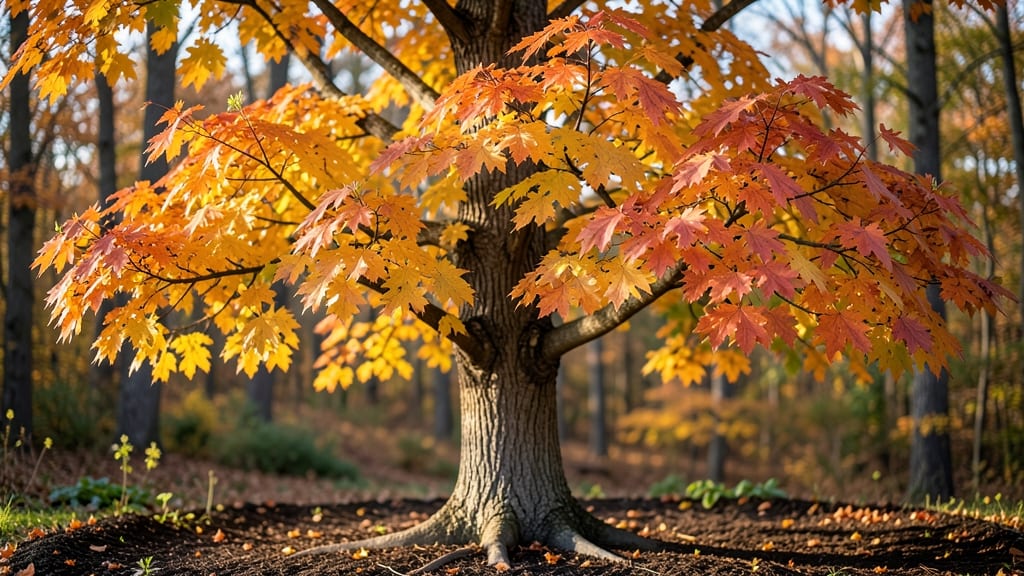
What tree has yellow leaves in fall that turn your yard into a golden masterpiece every autumn? 🌿 I’ve planted four varieties that transform my neighborhood into a fall postcard—each with its own personality and care needs. The Ginkgo stands out with its buttery yellow leaves that stay vibrant until frost, while the Sweetgum delivers fiery yellows mixed with oranges and reds. These trees thrive in different climates: Ginkgos handle city pollution and urban heat, while Paper Birches prefer cooler northern regions and Tulip Poplars dominate southern landscapes with their bold, chartreuse-yellow displays. All four need full sun to perform their best, but their watering needs vary—Ginkgos are drought-tolerant once established, while Birches appreciate consistent moisture. Imagine walking through your yard in October, surrounded by sunshine-colored canopies that outshine any store-bought decoration. The key to maintaining that glow? Prune in late winter to encourage dense growth, and fertilize in early spring with a slow-release formula. Even in small spaces, these trees deliver maximum impact with minimal fuss. For city gardens, the Ginkgo’s tolerance for compact spaces makes it a standout. In rural areas, the Tulip Poplar’s towering height creates a dramatic focal point. Each tree offers something unique—whether it’s the Ginkgo’s pollution resistance or the Birch’s peeling bark that adds texture year-round.
The Science Behind Fall Foliage
The vibrant yellow leaves of autumn aren’t just a stunning visual treat—they’re a fascinating biological process rooted in chemistry, genetics, and environmental cues. Let’s break down the key reasons why trees like Ginkgo biloba, Sweetgum, and Hornbeam turn golden in the fall, with clear explanations for each cause.
Trees produce chlorophyll, the green pigment responsible for photosynthesis, year-round. But as daylight shortens and temperatures drop in autumn, trees stop producing chlorophyll efficiently. Here’s what happens next:
- Photodegradation: Sunlight breaks down chlorophyll molecules, reducing their effectiveness. The tree recycles the nutrients (like nitrogen and magnesium) back into its roots and stems for winter storage.
- Enzyme activation: Enzymes called chlorophyllases actively dismantle chlorophyll, leaving behind yellow and orange pigments that were always present but masked by green.
- Carotenoids shine: Yellow pigments like carotenoids (found in carrots and corn!) and xanthophylls become visible. These pigments are always in leaves but are overshadowed by chlorophyll in summer.
Pro tip: 💡 Trees with bright yellow fall color—like Tulip Poplar or Goldenrain Tree—often have high carotenoid levels naturally.
Some trees, especially sugar maples (Acer saccharum), produce a unique yellow-orange hue due to anthocyanins, water-soluble pigments formed in the fall. Here’s how it works:
- Sugar buildup: As photosynthesis slows, excess sugars (like sucrose) accumulate in the leaves. These sugars can’t be transported to the roots efficiently due to blocked veins (a survival tactic to prevent winter damage).
- Anthocyanin production: The trapped sugars trigger the production of anthocyanins, the same antioxidants that give red apples and blueberries their color. These pigments act as a sunscreen, protecting leaves from excess sunlight and even improving nutrient recycling.
- pH matters: Anthocyanins thrive in acidic conditions. Trees like Red Maple or Sumac often produce red leaves, while Sugar Maple leans yellow because its anthocyanins mix with lingering carotenoids.
Fun fact: 🌡️ Cooler nights and sunny days in fall boost anthocyanin production—perfect weather for peak autumn colors!
Not all trees turn yellow in the fall—some stay green, others blaze red. The reason? Genetics determine which pigments a tree can produce and how it responds to seasonal changes.
| Tree Type | Dominant Pigment | Fall Color Result |
|---|---|---|
| Ginkgo biloba | High carotenoids, low anthocyanins | Golden yellow |
| Sweetgum (Liquidambar) | Anthocyanins + carotenoids | Yellow-green to deep purple |
| Hornbeam (Carpinus) | Moderate carotenoids | Pale yellow to golden |
| White Oak | Tannins (brown) + carotenoids | Russet brown or yellow |
Pro tip: 🌱 If you want a tree with reliable yellow fall color, choose species like Quaking Aspen or American Beech, which are genetically predisposed to bright gold hues.
Fall foliage isn’t just about the tree—it’s also about the weather. Specific conditions trigger the best yellow displays:
- Sunny days + cool nights: Ideal for anthocyanin production. Bright sunlight fuels photosynthesis, while cool (but not freezing) nights slow chlorophyll breakdown.
- Avoid early frosts: A hard freeze can shock leaves into dropping prematurely, cutting short the color show. Mild temperatures extend the display.
- Moisture balance: Drought stress can dull colors, while consistent rainfall ensures healthy pigment development. Trees in well-watered regions (like the Northeast U.S.) often have more vibrant fall hues.
Watch out: ⚠️ Prolonged dry spells or extreme heat waves can turn leaves brown or orange prematurely, skipping the golden phase.
Understanding these causes helps you predict—and even influence—when and how your favorite trees will dazzle in autumn. Whether it’s the chemistry of chlorophyll or the genetics of a Ginkgo, nature’s fall palette is a masterpiece of science and art!
Quick Fixes for Fall Foliage Fades
If your tree isn’t putting on its usual golden show this autumn, don’t panic! Yellow leaves in fall are often a sign of seasonal health—but sometimes they signal underlying issues.
Below, we break down common causes and actionable solutions to restore your tree’s vibrant glow. From soil care to seasonal prep, these fixes will help your tree shine bright again.
Yellowing leaves can mean your tree isn’t getting the nutrients it needs. Fall is a critical time for trees to store energy for winter, and nutrient deficiencies (like lack of nitrogen, iron, or magnesium) can dull their colors.
🔥 Fix It: Boost Soil Health
- Test Your Soil 🌱: Grab a soil test kit (available at garden centers) to check pH and nutrient levels. Ideal pH for most trees is between 6.0 and 7.0.
- Add Organic Matter 🍂: Mix compost, well-rotted manure, or leaf mold into the top 6 inches of soil around the tree’s drip line (the area directly under the canopy).
- Use Slow-Release Fertilizer 💡: Apply a balanced, slow-release fertilizer (like 10-10-10) in early fall. Avoid high-nitrogen fertilizers late in the season—they can encourage late growth that’s vulnerable to frost.
- Target-Specific Nutrients 🎯:
- For yellowing between veins (iron deficiency): Sprinkle iron chelate granules around the root zone.
- For yellowing with purple stems (phosphorus deficiency): Use bone meal or a phosphorus-rich fertilizer.
💡 Prevention Tips
- Mulch properly: Spread 2–4 inches of mulch (wood chips or shredded bark) around the base, but keep it 6 inches away from the trunk to avoid rot.
- Water deeply but less frequently: Aim for 1–1.5 inches of water per week, especially during dry spells before fall.
Too much or too little water can stress trees, leading to premature yellowing. Fall’s shifting weather patterns can confuse roots, causing leaves to fade before their time.
🍳 Fix It: Balance the Water
- Check Moisture Levels 💧: Stick your finger 2 inches into the soil. If it’s dry, water deeply. If it’s soggy, hold off until it drains.
- Adjust Your Watering Schedule ⏰:
- Drought: Water slowly at the base (not the leaves) over 2–3 hours, ensuring it soaks 12 inches deep.
- Overwatering: Improve drainage by amending clay soil with sand or compost. Avoid watering if the ground is already saturated.
- Mulch for Moisture Retention 🌡️: A thick layer of mulch helps regulate soil temperature and reduces evaporation.
💡 Prevention Tips
- Install a rain gauge near your tree to monitor natural watering.
- Group trees with similar water needs together to simplify care.
Pests like spider mites, aphids, or diseases such as anthracnose can sap a tree’s vitality, leading to weak, yellowing leaves. Fall is when many pests lay eggs or overwinter, so early action is key.
👨🍳 Fix It: Treat Infestations
- Inspect Leaves 🔍: Look for:
- Holes or stippling (mites, leafhoppers).
- Sticky residue (aphids, scale insects).
- Black spots or mold (fungal diseases).
- Remove Damaged Leaves 🗑️: Rake up and dispose of fallen leaves to reduce pest habitats.
- Apply Natural Remedies 🌿:
- Neem oil spray (1 tsp neem oil + 1 tsp mild soap per quart of water) for pests.
- Baking soda spray (1 tbsp baking soda + 1 quart water) for fungal issues like powdery mildew.
- Prune for Airflow 🪓: Trim back dense branches to improve circulation and reduce humidity (which fuels fungi).
💡 Prevention Tips
- Encourage beneficial insects (like ladybugs) by planting nearby flowers like marigolds or daisies.
- Avoid overhead watering in late afternoon to keep leaves dry and discourage fungal growth.
Sudden temperature drops, strong winds, or late-season heat waves can shock trees, causing leaves to yellow or drop early. This is especially common in young or newly planted trees.
🥘 Fix It: Protect Your Tree
- Shield from Wind 🌬️: Use burlap windbreaks or plant wind-resistant trees (like oaks or maples) as a buffer.
- Mulch Heavily 🍃: Add an extra layer of mulch (up to 4 inches) to insulate roots from temperature swings.
- Water Before Frost ❄️: Give trees a deep watering 1–2 days before the first hard freeze to help them withstand cold.
- Use Frost Cloth 🧣: For young trees, drape frost cloth loosely over the canopy to protect leaves from sudden cold snaps.
💡 Prevention Tips
- Plant trees in microclimates that offer natural protection (e.g., near buildings or fences).
- Avoid late-season pruning, which can stress trees before winter.
If your tree shows wilted leaves, oozing sap, or extensive dieback, it may need expert care. Arborists can diagnose issues like root rot, borer infestations, or structural damage that DIY fixes can’t handle.
With these solutions, your tree should bounce back with a dazzling autumn display. Start with soil and water adjustments, then tackle pests or environmental stressors. Happy treekeeping! 🌳🍁
Frequently asked questions
Which trees turn bright yellow in fall but stay green all summer?
The Ginkgo biloba is the star here—it keeps its deep green leaves until frost, then transforms into a stunning golden yellow. Quaking Aspen and American Beech also deliver reliable yellow displays without changing colors early. For smaller gardens, try the Goldenrain Tree (Koelreuteria paniculata), which stays green until late fall.
Can I plant a yellow-leaf tree in a small urban yard?
The Dwarf Ginkgo (like 'Mariken') grows only 15-20 feet tall and thrives in tight spaces. For instant color, plant a Golden Euonymus shrub—it’s compact and turns bright yellow in fall. Just ensure it gets at least 6 hours of sun daily to maintain its golden hues.
Why do some yellow-leaf trees change to orange or red?
That’s the anthocyanin effect! Trees like Sweetgum or Hornbeam produce yellow carotenoids first, but if nights stay cool and sunny, they’ll also create red/purple anthocyanins. For pure yellow, stick to Ginkgo or Tulip Poplar—they skip the red phase entirely.
How do I make my yellow-leaf tree’s fall colors more vibrant?
Start with well-draining soil (amend clay with compost) and consistent moisture—drought stress dulls colors. Avoid late-season fertilizers (they encourage weak growth), and prune in late winter to maintain an open canopy. For extra punch, plant near a southeast-facing wall to extend warm days.
Are there any yellow-leaf trees that don’t drop leaves in winter?
No—all deciduous trees (including yellow-leaf varieties) shed their foliage in winter. For evergreen options with golden hues, try Golden Hinoki Cypress or Golden Mugo Pine, though their "yellow" is more of a golden-green tint. These stay on the tree year-round but won’t match the dramatic fall color of deciduous trees.