
Diseases
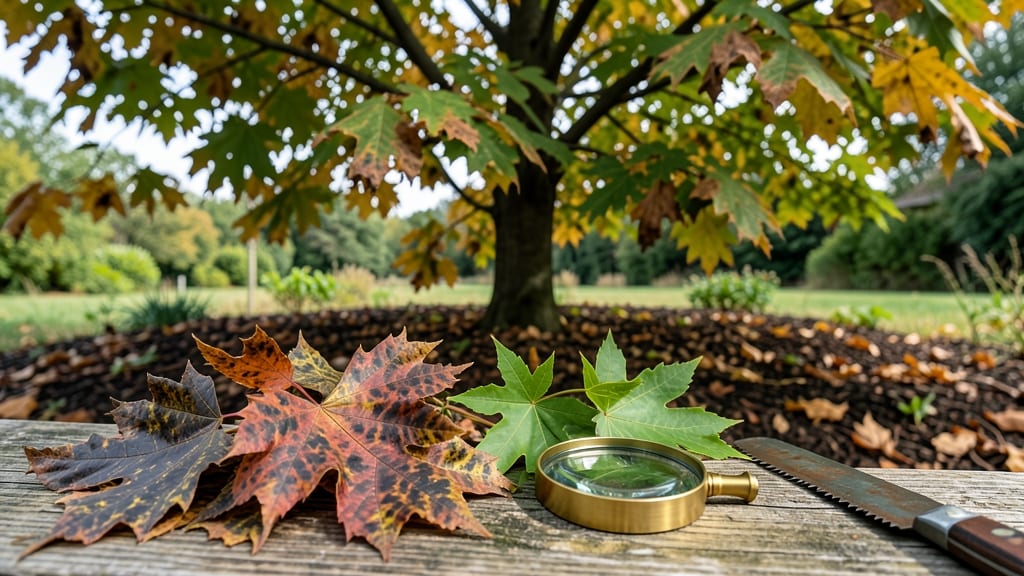
Your maple tree’s crinkled, dark brown leaves aren’t just autumn arriving early—it’s anthracnose, a stubborn fungal infection that thrives in damp spring weather. 🌳 I’ve watched this disease turn healthy maples into skeletal shadows within weeks if ignored, but with the right moves, you can stop it before it spreads.
The key? Spotting those classic leaf spots and acting fast with organic fixes that actually work.
This fungus loves wet conditions, so it’s no surprise it strikes hardest in spring when rain follows warm days. You’ll see those telltale dark spots with yellow halos on leaves, and if you look closer, you might find tiny black fruiting bodies where the spots cluster.
The bad news? It weakens the tree over time. The good news? You can prune infected branches, apply copper fungicide, and improve airflow to starve it out—no harsh chemicals needed.
By mid-summer, with consistent care, your maple’s new growth will look fresh and green again. The trick is catching it early—once it moves to twigs or bark, the battle gets tougher.
I’ll walk you through exactly what to prune, when to spray, and which organic treatments (like neem oil or baking soda mix) give the best results without harming your tree or the planet.
Even if you’ve tried fungicides before with no luck, these methods work because they address the root causes: moisture, poor airflow, and stressed trees. Let’s get your maple back to its vibrant best before winter sets in.
The Hidden Triggers Behind Maple Leaf Spots
Anthracnose in maple trees isn’t just a random strike—it’s the result of a perfect storm of environmental and biological factors. Understanding why this fungal disease takes hold helps you prevent it before it ruins your tree’s foliage.
Here’s a breakdown of the key culprits and how they work together to create ideal conditions for anthracnose.
Anthracnose thrives in damp conditions, and maple trees are particularly vulnerable when they’re constantly exposed to moisture. Here’s how wet weather fuels the problem:
- Fungal Spore Germination: The pathogen (Gloeosporium or Elsinoë species) produces spores that need free water to activate. Even light rain or morning dew can trigger germination on leaf surfaces.
- Prolonged Leaf Wetness: If leaves stay wet for 9–12 hours or more, spores not only germinate but also penetrate the leaf tissue. Maple trees in shaded or low-lying areas are at higher risk because humidity lingers longer.
- Spring Showers Timing: Anthracnose outbreaks often spike in late spring (April–June) when temperatures are mild (50–75°F) and rainfall is frequent. This aligns with new leaf emergence, making tender foliage an easy target.
💡 Pro Tip: If your region has a history of consistent rain during leaf flush, consider proactive measures like mulching to improve drainage or applying preventive fungicides before the first downpour.
Maple trees with thick, crowded canopies create a greenhouse effect, trapping humidity and blocking sunlight—both of which accelerate anthracnose. Here’s why:
- Stagnant Air = Higher Humidity: Dense branches prevent air from circulating, causing moisture to pool on leaves. Fungi love this environment because spores don’t dry out.
- Shaded Leaves Stay Damp Longer: Sunlight helps leaves dry faster. In shaded areas, leaves remain wet for extended periods, giving anthracnose spores more time to infect.
- Old or Overgrown Trees: Mature maples with dead or crossing branches (a common issue in sugar maples) create microclimates where fungi thrive. Pruning opens the canopy and improves airflow.
🌡️ Key Stat: Studies show that pruning to increase airflow can reduce anthracnose severity by up to 40% in susceptible maple species.
Healthy maples resist anthracnose better, but stress—whether from drought, poor soil, or injury—weakens their defenses. Here’s how stress opens the door to infection:
| Type of Stress | How It Helps Anthracnose |
|---|---|
| Drought Stress | Dry soil forces roots to work harder, reducing the tree’s ability to produce phenolic compounds (natural fungicides). Weakened leaves become prime targets. |
| Compacted or Poor Soil | Root-bound or nutrient-deficient soil limits the tree’s immune response. Nitrogen deficiency is particularly risky—it leads to thin, weak leaves that fungi exploit. |
| Physical Damage (e.g., hail, lawnmower cuts, or improper pruning) | Open wounds create entry points for spores. Even minor abrasions on leaves can let Elsinoë species invade. |
| Competition from Weeds or Grasses | Weeds steal water and nutrients, stressing the tree. A stressed maple produces lower-quality foliage, making it easier for anthracnose to take hold. |
✨ Prevention Hack: Mulch properly (2–4 inches of organic mulch, kept 6 inches away from the trunk) to retain moisture without suffocating roots. This balances hydration and reduces stress-related vulnerabilities.
Anthracnose doesn’t just appear out of nowhere—it overwinters in old leaves, twigs, or infected plant material. Here’s how lingering debris becomes a problem:
- Survival Strategy of the Fungus: The pathogen overwinters in fallen leaves, bark, or mummified fruits (common in sugar maples). When conditions warm up, spores reawaken and infect new growth.
- Splashback from Soil: Raindrops can splash spores from infected debris directly onto leaves, bypassing the need for wind dispersal.
- Recycling Infected Material: Composting or tilling untreated maple leaves back into the soil can reintroduce spores to the root zone, creating a cycle of reinfection.
🔥 Critical Step: Rake and remove all fallen leaves and twigs from under and around your maple tree in early spring (before spores activate). Bag and discard them in yard waste—do not compost unless you treat the pile with heat (140°F+ for 3+ days).
Fixing Anthracnose in Maple Trees
Anthracnose may sound intimidating, but with the right approach, you can restore your maple tree’s health—naturally and effectively. Below, we break down targeted solutions for each cause, from early intervention to long-term prevention. These methods prioritize organic care, ensuring your tree thrives without harsh chemicals.
---
Cause: Wet, humid conditions + infected leaves/twigs
How to Fix It: 🔥 Remove Infected Foliage Immediately - Use sterilized pruners (wipe with rubbing alcohol) to cut out all spotted or discolored leaves, even if they’re still attached. - Bag and discard infected debris in the trash (do not compost it)—this stops spores from spreading.
🍳 Thin the Canopy for Better Airflow - Maple trees need circulation to dry quickly after rain. Prune to open the canopy, focusing on: - Overlapping branches - Dense inner growth blocking sunlight - Best time to prune: Late winter or early spring (before buds swell).
👨🍳 Clean Up Debris Year-Round - Rake fallen leaves weekly during wet seasons (spring/fall). - Remove leaf litter from the base of the tree and surrounding area—this is where spores lurk.
--- Cause: Overly wet soil + poor drainage
How to Fix It: 💡 Improve Drainage Organically - Aerate the soil with a garden fork (loosen compacted areas 12–18 inches deep). - Mulch properly: Apply 2–4 inches of wood chips or straw (keep mulch 6 inches away from the trunk to prevent rot). - Avoid overwatering—maples prefer consistently moist but not soggy soil.
🌡️ Boost Soil Health - Test your soil’s pH (ideal for maples: 6.0–7.5). Amend with: - Compost (for nutrients) - Perlite or sand (for drainage) - Avoid heavy fertilizers—they can stress the tree, making it more susceptible to disease.
--- Cause: Repeated infections weakening the tree
How to Fix It: 🔪 Apply Organic Fungicides (When Needed) - Preventative spray (early spring): Mix 1 tsp baking soda + 1 quart water + a few drops of dish soap (spray undersides of leaves). - Copper fungicide (for active outbreaks): Use copper soap (follow label rates) before buds open in spring. - Neem oil (for mild cases): Spray every 2–3 weeks during wet seasons (neem disrupts fungal growth).
⏰ Strengthen the Tree’s Immunity - Feed in early spring with a balanced organic fertilizer (e.g., 10-10-10 or fish emulsion). - Avoid stress factors: Prune only when necessary, and water deeply but infrequently (1–2 inches per week).
--- Cause: Recurring outbreaks due to poor habits
How to Stay Ahead: ✨ Monitor & Act Fast - Inspect leaves weekly during spring/fall. Catch anthracnose early—small spots are easier to treat! - Label your tools (pruners, rakes) to avoid cross-contamination.
🎯 Encourage Beneficial Microbes - Plant companion plants like garlic, chives, or marigolds near the tree—they repel fungi. - Avoid synthetic fungicides (they kill good microbes too).
📊 Seasonal Checklist | Season | Action | Why It Works | |-------------|-------------------------------------|-------------------------------------------| | Winter | Prune dead/diseased branches | Removes overwintering spores | | Spring | Apply preventative sprays | Stops initial fungal growth | | Summer | Mulch & water deeply (but less) | Reduces soil moisture stress | | Fall | Rake & compost healthy leaves | Feeds soil without spreading disease |
--- Pro Tip: 💡 If your tree is young or newly planted, give it extra care—anthracnose hits them hardest. A light shade cloth during rainy spells can also help!
By tackling anthracnose proactively, your maple tree can bounce back stronger. The key? Cleanliness, airflow, and organic support—no chemicals required! 🌳💚
Frequently asked questions
What do anthracnose spots on maple leaves look like?
Anthracnose spots start as small, dark brown to black marks with yellow halos around them. As they grow, the spots often merge, creating large blotchy areas that may appear sunken or crinkled. Look for tiny black fruiting bodies (like tiny dots) in the center of spots—this confirms the fungal infection.
Can anthracnose kill my maple tree?
While anthracnose rarely kills mature, healthy maples outright, it can cause severe defoliation and weaken the tree over time. Repeated infections stress the tree, making it vulnerable to other pests or diseases. Young or already-stressed trees are at highest risk—act quickly to prevent long-term damage.
How often should I spray fungicide for anthracnose?
For prevention, spray every 2–3 weeks during wet seasons (spring/fall) using organic options like neem oil or baking soda mix. If treating an active outbreak, apply copper fungicide every 7–10 days until new growth appears healthy. Always spray in the early morning for best results.
Will pruning help stop anthracnose from spreading?
Pruning infected branches removes the fungal source and improves airflow—critical for drying leaves faster. Focus on removing dead, crossing, or crowded branches in late winter. Sterilize your pruners between cuts with rubbing alcohol to prevent cross-contamination.
Can I still use my maple leaves for mulch if they're infected?
Never compost or mulch infected leaves—they’ll spread spores back to your tree. Instead, bag and discard them in yard waste. For healthy leaves, you can shred and mulch them in small amounts (no more than 1–2 inches thick) to avoid trapping moisture.