
Companion Plants
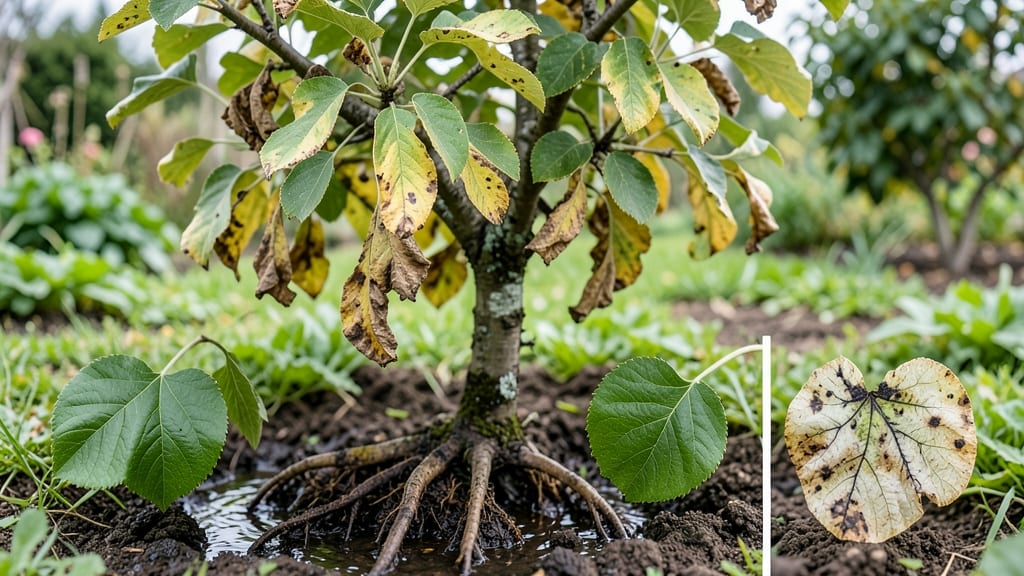
What does an overwatered apple tree look like? You’ll spot it through a shocking contrast between its roots and leaves—while the top stays green, the roots rot underground. 🌿 The first clue is yellowing leaves that start at the bottom and creep upward, paired with branches that droop like a tired old man. If you peel back the soil, you’ll find roots that look mushy and smell sour, not crisp and earthy like healthy ones.
This happens when roots suffocate from too much water, blocking oxygen and inviting fungal infections like root rot. My neighbor’s apple tree went from lush to limp in two weeks after he switched to daily watering—now it’s a cautionary tale.
The real kicker? Overwatered trees often look thirsty, because their roots can’t absorb moisture properly, even when the soil is soggy.
Fixing it starts with stopping all watering immediately and letting the soil dry out for at least a week. Mix in coarse sand or perlite to improve drainage, and prune any branches with yellow leaves to redirect energy.
Within 4-6 weeks, you’ll see new green growth if the roots aren’t completely dead—just don’t rush back to watering like it’s a thirsty houseplant.
Prevention is easier than repair: water only when the top 2-3 inches of soil feel dry, and focus on deep watering once a week in summer instead of daily shallow sprinkles.
Mulch helps too—it keeps moisture steady without drowning the roots. Your apple tree will thank you with juicier fruit and fewer sad, droopy branches next season.
Root Causes of Overwatering
Overwatering an apple tree might seem like a harmless act of care, but it can quickly turn into a recipe for disaster. When roots sit in soggy soil for too long, they struggle to breathe—and that’s when trouble begins.
Let’s break down the key reasons why apple trees end up drowning in their own water supply, and how each factor plays a role in their decline.
Not all soil is created equal, and some types hold onto water like a sponge that won’t let go. Clay-heavy or compacted soils are notorious for trapping excess moisture, preventing oxygen from reaching the roots. Apple trees, which prefer well-draining soil, can’t escape this waterlogged environment, leading to:
- Root rot: Fungal pathogens like Phytophthora thrive in saturated conditions, attacking roots and cutting off the tree’s nutrient supply.
- Nutrient starvation: Waterlogged soil depletes oxygen, forcing roots to "drown" and starve for essential nutrients like nitrogen and phosphorus.
- Weak structural support: Roots rot and weaken, making the tree more susceptible to wind damage or collapse.
💡 Pro Tip: Test your soil’s drainage by digging a hole, filling it with water, and timing how long it takes to drain. If it’s slower than 6 hours, amend with organic matter like compost or sand to improve aeration.
Apple trees don’t need daily drinks—they thrive on deep, infrequent watering that encourages roots to grow deeper in search of moisture. Common watering mistakes include:
- Surface watering: Light, frequent watering keeps the topsoil wet but leaves lower roots thirsty. This encourages shallow root growth, making the tree dependent on consistent moisture.
- Ignoring weather conditions: Watering on rainy days or during high humidity can double the moisture in the soil, overwhelming the tree’s ability to process it.
- Using the wrong tools: Drip irrigation or soaker hoses are ideal, but overhead sprinklers can waste water and promote fungal diseases by keeping foliage damp.
🔥 Action Step: Water your apple tree deeply 1–2 times per week (adjust for climate) and always check soil moisture 2–3 inches below the surface before adding more. A simple finger test works—if it’s damp, wait!
Even the most careful gardener can fall victim to environmental conditions that amplify overwatering risks. Key culprits include:
- Heavy rainfall + poor drainage: A single storm can saturate soil for days, especially in low-lying areas or containers without drainage holes.
- Containers without escape routes: Potted apple trees are especially vulnerable—water pools at the bottom, and roots have nowhere to go.
- Mulch that’s too thick: While mulch conserves moisture, a layer thicker than 2–3 inches can suffocate roots and trap excess water.
🌡️ Climate Check: In rainy seasons or humid climates, reduce watering by 30–50% and ensure containers have drainage holes. Elevate pots on saucers to prevent waterlogging.
Waterlogged soil isn’t just bad for roots—it’s an open invitation for fungi that thrive in damp conditions. The most damaging culprits for apple trees are:
| Fungus | Symptoms | Risk Level |
|---|---|---|
| Phytophthora (Root Rot) | Black, mushy roots; wilting despite moist soil; yellowing leaves | ⚠️ High |
| Armillaria (Shoestring Root Rot) | White fungal strands on roots; stunted growth; tree decline | ⚠️ High |
| Pythium (Damping-Off) | Seedlings collapse; dark, water-soaked spots on stems | ⚠️ Critical for young trees |
✨ Prevention Tip: Apply copper fungicide or baking soda spray (1 tbsp baking soda + 1 quart water + a drop of dish soap) to deter fungal growth. Always remove infected plant debris promptly.
Understanding these root causes is the first step to saving your apple tree. The good news? Most overwatering damage is reversible with the right adjustments. Next, we’ll explore how to spot the telltale signs of an overwatered tree before it’s too late.
Revive Your Apple Tree Now
Overwatering can turn your thriving apple tree into a soggy, struggling plant—but don’t panic! With the right steps, you can nurse it back to health and prevent future waterlogging. Below, we break down cause-specific fixes and prevention tips to get your tree back on track.
If your apple tree’s leaves are turning yellow (especially on lower branches), poor drainage is likely the culprit. Root rot thrives in soggy soil, suffocating roots and starving the tree of oxygen.
How to Fix It:
- 🔥 Check the Soil Dig a small hole (6–8 inches deep) near the tree’s base. If the soil feels muddy, smells sour, or stays clumpy when squeezed, drainage is the issue.
- 👨🍳 Improve Drainage
- Raise the Tree’s Base: If planted in a low spot, mound sand or compost around the root zone to elevate it slightly.
- Add Organic Matter: Mix coarse sand, perlite, or bark chips into the top 12 inches of soil to loosen compacted dirt.
- Install Drainage Pipes (if severe): For container-grown apple trees, drill holes in the pot and add gravel at the bottom before repotting.
- ⏰ Let the Soil Dry Between Waterings Stick your finger 2–3 inches into the soil—if it’s damp, wait before watering. Deep but infrequent watering (1–2 inches per week) is better than daily shallow soaks.
💡 Pro Tip: Mulch with wood chips or straw (2–3 inches thick) to retain moisture without smothering roots—but keep mulch 6 inches away from the trunk.
Wilting or sagging branches often mean root stress from excess moisture. The tree can’t absorb water efficiently, leading to hydraulic failure (yes, it’s a real thing!).
How to Fix It:
- 🍳 Reduce Watering Immediately
- Stop watering for 3–5 days to let the soil dry out.
- Resume with shallow, light watering (only when the top 1–2 inches of soil are dry).
- 🌡️ Prune Damaged Branches Use sterilized pruners to trim:
- Branches with mushy, blackened bark (sign of rot).
- Leaves that are brown, crispy, or falling prematurely.
- Crossing or dead branches to improve airflow.
- 🎯 Boost Root Health
- Apply a fungal treatment (like copper fungicide) if you spot black spots or mold on roots.
- Aerate the soil with a garden fork to break up compaction.
✨ Prevention Hack: Plant apple trees on slopes or raised beds to avoid water pooling. If in a container, ensure it has drainage holes and a saucer underneath to catch excess water.
If you’ve pulled up a root and it’s soft, brown, or smells like rot, root rot has set in. This is emergency mode—delaying treatment can kill the tree.
How to Fix It:
- 🔪 Trim the Rotten Roots
- Gently dig around the root zone (wear gloves—rotten roots are slimy!).
- Cut away mushy, discolored roots with a sterilized knife.
- Do not over-prune—healthy roots are white or tan.
- 🥘 Repot or Replant (If in Container)
- Remove the tree from its current pot/spot.
- Wash roots with hydrogen peroxide (3%) to kill fungus.
- Repot in fresh, well-draining soil (mix potting soil + perlite + sand).
- 💪 Strengthen the Tree’s Defense
- Water lightly (only when the top inch of soil is dry).
- Fertilize with compost tea (rich in beneficial microbes) to help recovery.
- Avoid heavy mulch until new roots establish (wait 4–6 weeks).
💡 Emergency Tip: If replanting in the ground, raise the tree’s base by 2–3 inches and add a 50/50 mix of soil and sand to improve drainage.
Once your apple tree is back on track, prevent overwatering with these habits:
- 📊 Test Soil Moisture: Use a moisture meter or the finger test before watering.
- 🌡️ Water Deeply, Less Often: Aim for 1–1.5 inches of water per week (including rain).
- 🍎 Choose the Right Spot: Apple trees need full sun (6+ hours/day) and well-draining soil.
- 🌿 Companion Plants Help: Grow clover or grass around the base (not touching the trunk) to improve soil structure naturally.
- ⏰ Seasonal Adjustments:
- Spring/Summer: Water early in the morning to reduce evaporation.
- Fall/Winter: Reduce watering—trees need less as they dormancy.
Final Thought: Overwatering is reversible, but speed matters. The sooner you act, the better your apple tree’s chances of bouncing back. With the right care, you’ll be enjoying crisp, homegrown apples in no time! 🍏🌿
Frequently asked questions
How can I tell if my apple tree is overwatered vs. underwatered?
Overwatered apple trees show yellowing leaves starting at the bottom, drooping branches, and mushy roots that smell sour when dug up. Underwatered trees have crispy, brown edges on leaves, dry soil pulling away from roots, and branches that feel brittle. The key difference? Overwatered trees wilt despite wet soil, while underwatered ones wilt because the soil is bone-dry. Check the soil 2-3 inches deep—if it's damp but leaves are yellow, you're overwatering.
Can I save an apple tree with root rot caused by overwatering?
Yes, but you must act fast! First, stop watering immediately and let the soil dry completely. Prune away any blackened, mushy roots and replant in fresh, well-draining soil mixed with 50% perlite or sand. Apply a copper fungicide to prevent further spread. With proper care, trees can recover in 4-6 weeks, though severe cases may need professional help. The sooner you intervene, the better the chances!
Why does my apple tree look thirsty even when I water it daily?
Daily watering often creates shallow roots that can't absorb moisture efficiently. Overwatered trees develop root rot, blocking their ability to take up water—even when soil appears wet. Instead, water deeply 1-2 times per week (1-1.5 inches total) and check soil moisture 2-3 inches down. If roots are damaged, they simply can't function properly, no matter how much you water. This is why your tree may look parched despite soggy soil!
Will mulch help or hurt an overwatered apple tree?
Mulch can help if used correctly—a 2-3 inch layer of wood chips or straw helps regulate soil moisture and temperature. However, too much mulch (over 4 inches) or placing it directly against the trunk can trap moisture and worsen root rot. Keep mulch 6 inches away from the trunk and avoid heavy mulches like grass clippings that compact soil. For recovery, reduce mulch temporarily until roots stabilize. Proper mulching prevents future issues once drainage improves.
How long does it take for an apple tree to recover from overwatering?
Recovery time varies: mild cases (yellow leaves, wilting) may show improvement in 2-4 weeks with proper care. Severe root rot can take 2-3 months or longer, especially if roots are extensively damaged. Focus on draining soil, pruning dead branches, and avoiding water stress during recovery. Young trees bounce back faster than mature ones, but patience is key—don't rush watering too soon! Healthy growth signals progress.