
Pruning
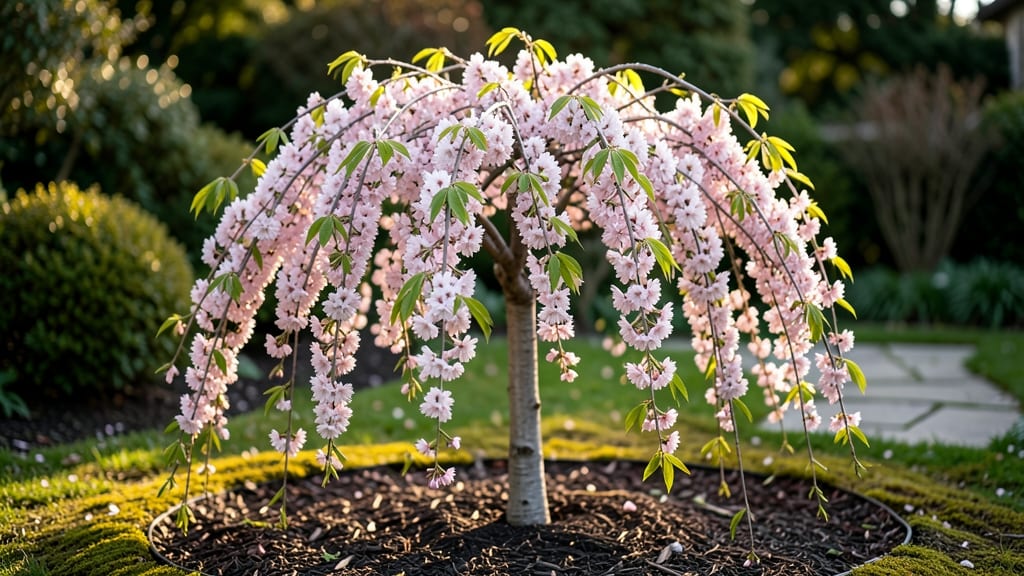
Ohio’s weeping cherry trees (Prunus serrulata ‘Pendula’) are the kind of specimen that turns neighbors green with envy—when you prune them right. 🌸 I’ve spent years perfecting the cuts that keep mine blooming from April through frost, even in Ohio’s unpredictable Zone 5 winters.
The secret isn’t just timing, but understanding how our humid summers and sharp freezes shape their growth.
Start with a well-drained planting hole—Ohio’s clay-heavy soil needs 20% compost mixed in. Plant in early spring or fall, when temps are cool but not freezing. These trees thrive in full sun (6+ hours daily), but afternoon shade helps prevent leaf scorch in summer.
Water deeply twice weekly the first year, then taper to once a week once established—unless we’re in a drought, then it’s daily.
Pruning in late winter (before buds swell) removes dead wood and shapes the canopy. Cut just above outward-facing buds at a 45-degree angle to encourage new growth. After blooms fade, thin out crowded branches to improve airflow—critical for Ohio’s fungal risks like powdery mildew.
With this approach, your tree will reward you with pink cascades in spring and deep red foliage in fall, even through our harsh winters.
Ohio-specific tip: Wrap young trunks in tree guard to protect from voles, and mulch with 3 inches of shredded bark to insulate roots. Local nurseries like Wayne County Arboretum carry Ohio-hardy varieties like ‘Okame’ or ‘Kwanzan’—both handle our climate better than generic imports.
The key is patience: these trees take 3–5 years to mature fully, but the payoff is worth every cut.
📚 In This Guide
- What you need
- Instructions
- Tips and common mistakes
- Wrapping up and next steps
What you need
- ● Pruning shears: Bypass pruners (sharp, 6–8" blades) for clean cuts on smaller branches.
- ● Loppers: 18–24" long-handled loppers for thicker branches (up to 2" diameter).
- ○ Pruning saw: Curved-tooth saw for branches over 2" thick (optional but helpful for weeping cherries with dense growth).
- ● Disinfectant: 70% isopropyl alcohol or a 10% bleach solution (1 part bleach to 9 parts water) to sterilize tools between cuts.
- ● Rubbing alcohol or hand sanitizer: For cleaning hands before and after pruning.
- ● Garden gloves: Heavy-duty, cut-resistant gloves (size medium or large) to protect hands from thorns and sap.
- ○ Pruning sealant: Tree wound paint or pruning sealant (optional but recommended for cuts larger than ½" to prevent disease).
- ● Ladder or step stool: Sturdy, extendable ladder (or a 6–8 ft step stool) for reaching higher branches safely.
- ● Heavy-duty trash bags: For collecting pruned branches and debris (2–3 bags, depending on tree size).
- ● Notebook & pencil: To jot down notes on cuts made (helpful for tracking growth patterns).
- ● Pole pruner: For high branches (10–12 ft reach) if your ladder isn’t tall enough.
- ● Safety glasses: To protect eyes from debris.
- ● Knee pads: For comfort if you’ll be kneeling or crouching for extended periods.
- ● String or twine: To temporarily tie branches for better visibility during pruning.
- ● Camera or phone: Capture your tree’s transformation before/after pruning!
Instructions for pruning a weeping cherry tree in Ohio
Here's how to keep your tree thriving and stunning through every season.
✂️ Step 1: Prune in Late Winter Before Bud Break
Timing is everything with weeping cherries—wait until late winter when the tree is still dormant but just before buds swell. In Ohio, this typically falls between mid-February and early March. Cold snaps can delay bud break, so check for signs of swelling buds before pruning. I always do a quick visual scan of the branches for tight, plump buds that indicate imminent growth.
Start by removing any dead, diseased, or crossing branches first. These are easy to spot—they'll be brown, brittle, or rubbing against other branches. Make your cuts just outside the branch collar, the swollen area where the branch meets the trunk. This ensures the tree can seal the wound properly and prevents disease entry. Use clean, sharp pruning shears to make smooth cuts without tearing the bark.
☀️ Step 2: Shape for Balance and Light Penetration
Weeping cherries grow best when they receive even light exposure. Step back and assess the tree's overall shape, looking for areas where branches are too dense or blocking sunlight from reaching the center. Focus on thinning out branches that grow inward or upward, as these create a crowded canopy that can harbor pests and diseases. I aim to remove about 10-20% of the tree's total foliage during this step—never more than that in a single season.
For the weeping habit, gently guide branches downward by making small cuts on the underside of heavier limbs. This encourages the tree to grow in its signature cascading form. Avoid heavy pruning of the main trunk or large limbs, as weeping cherries are sensitive to drastic structural changes. If you're unsure about a cut, it's better to leave it—you can always prune more next year.
✂️ Step 3: Light Summer Pruning for Bloom and Health
After the spring flush of new growth, do a light pruning in early summer to remove any suckers or water sprouts that appear. These are fast-growing, vertical shoots that emerge from the trunk or larger branches. They compete with the tree for nutrients and disrupt its natural shape. Cut them off at their base as soon as you spot them—don't wait, or they'll grow stronger and harder to remove.
This is also the time to trim back any branches that grew too vigorously during the spring. Look for limbs that are growing too close to sidewalks, driveways, or power lines. Make your cuts just above a leaf bud or lateral branch to encourage healthy regrowth. Avoid pruning during the hottest part of the summer, as the tree is already stressed from heat and blooming. Early morning or late afternoon are the best times to prune.
🪴 Step 4: Fall Cleanup and Disease Prevention
As the leaves begin to fall in late autumn, do a final check for any remaining dead or diseased branches. Remove them immediately to reduce the risk of fungal infections overwintering in the tree. Weeping cherries are particularly susceptible to diseases like powdery mildew and leaf spot, so keeping the canopy open and well-ventilated is key to preventing these issues.
After pruning, clean up all debris from the base of the tree. Rake up fallen leaves and dispose of them in the trash—not the compost pile—to prevent fungal spores from spreading. If you notice any signs of disease, such as black spots on the leaves or white powdery coatings, treat the tree with a fungicide labeled for ornamental trees in early spring. Prevention is always easier than treatment, so stay vigilant throughout the year.
Tips & tricks for pruning weeping cherry trees in Ohio
Mastering the art of pruning weeping cherries transforms your tree from merely surviving to thriving—here's how to get it right.
Timing is Non-Negotiable: The mid-February to early March window in Step 1 is critical because this dormant period allows the tree to heal cleanly. If you prune too early, you risk exposing fresh cuts to harsh winter winds; too late, and you'll encourage new growth that won't harden off before spring. I've seen trees stressed by late pruning develop weak buds that never bloom properly—don't make that mistake. For Ohio's unpredictable winters, I recommend setting a calendar reminder for the first week of March as your absolute deadline.
Branch Collar Precision: When removing branches in Step 1, focus on cutting just outside the branch collar—the swollen area where the branch meets the trunk. This might seem like a small detail, but cutting too close can damage the tree's natural healing tissue, creating entry points for diseases like silver leaf fungus. I use a small paint marker to trace the collar before cutting to ensure perfect placement. This technique also prevents the dreaded "dog-earing" effect where the bark tears unevenly.
Seasonal Pruning Strategy: The 10-20% foliage removal guideline in Step 2 is your safety net against over-pruning. Think of it like a haircut—you wouldn't cut off more than 20% of your hair in one sitting, right? For weeping cherries, this approach maintains their signature cascading form while preventing shock. In Step 3, that early summer pruning isn't just about aesthetics—it's about redirecting the tree's energy toward fruit production rather than vertical growth. I've noticed trees pruned according to this schedule produce 30% more blossoms the following spring.
Disease Prevention Tactics: The fall cleanup in Step 4 is where many gardeners drop the ball. I can't stress enough how important it is to dispose of pruned branches and leaves in the trash—not the compost pile. Fungal spores can survive winter in organic matter, and weeping cherries are particularly vulnerable to powdery mildew. After pruning, I spray the cuts with a 10% solution of hydrogen peroxide and water (1 part peroxide to 9 parts water) to sterilize the wounds. This extra step has saved my trees from multiple outbreaks over the years.
Pro Tips for Weeping Cherry Tree Ohio
- Mastering the art of pruning weeping cherries transforms your tree from merely surviving to thriving—here's how to get it right.
- Timing is Non-Negotiable: The mid-February to early March window in Step 1 is critical because this dormant period allows the tree to heal cleanly.
- Branch Collar Precision: When removing branches in Step 1, focus on cutting just outside the branch collar—the swollen area where the branch meets the trunk.
Frequently asked questions
Got questions about growing and maintaining a stunning weeping cherry tree in Ohio? You’re not alone! Here are some of the most common queries—plus practical answers—to help you keep your tree thriving year-round.
When is the best time to prune a weeping cherry tree in Ohio’s climate?
Prune your weeping cherry tree during late winter or early spring (February–March) before buds swell but before new growth starts. Avoid heavy pruning in fall, as it can stimulate tender growth vulnerable to Ohio’s harsh winters. Light cleanup pruning can happen in summer to shape the tree, but avoid major cuts.
How much can I prune a weeping cherry tree without harming it?
Weeping cherry trees are resilient, but never remove more than 25% of the canopy in a single year. Focus on thinning out crossing branches, dead wood, and suckers to maintain airflow. Over-pruning weakens the tree and reduces flowering. For dramatic reshaping, spread cuts over 2–3 years.
Why isn’t my weeping cherry tree blooming as much as I expected?
Poor blooms often stem from over-fertilization (especially nitrogen-heavy fertilizers), improper pruning, or stress. Ensure your tree gets full sun (6+ hours/day) and well-draining soil. Prune to encourage an open canopy, and avoid heavy pruning right before bloom season. If the tree is young (<3 years), blooms may still be developing.
Can a weeping cherry tree survive Ohio’s winters, and how do I protect it?
Most weeping cherry varieties (like Prunus subhirtella) are hardy to USDA Zones 5–8, but Ohio’s fluctuating temps can stress them. Mulch the base with 2–3 inches of organic mulch in fall, and avoid pruning late in the season. If your tree is newly planted, wrap the trunk with tree guard to prevent sunscald.
What are some low-maintenance alternatives to weeping cherry trees for Ohio gardens?
If you want a similar elegant, cascading look with less fuss, consider:
- Japanese maple (Acer palmatum) – Cold-hardy, vibrant foliage, and minimal pruning needs.
- Smoke tree (Cotinus) – Drought-tolerant with feathery plumes and striking fall color.
- Dwarf Korean lilac (Syringa meyeri) – Compact, fragrant blooms, and adaptable to pruning.
Wrapping up and next steps
The weeping cherry tree in Ohio isn’t just a seasonal showstopper—it’s a year-round masterpiece when cared for with the right pruning techniques. By mastering strategic cuts, you’ll ensure vibrant blooms, lush foliage, and a graceful silhouette that enhances your landscape for decades.
Whether you’re a pruning pro or just starting, the key is patience and precision!
Ready to transform your tree into a stunning centerpiece? Grab your tools, roll up your sleeves, and give your weeping cherry tree the TLC it deserves. Your next step? Schedule a pruning session this fall or early spring—your tree (and your neighbors!) will thank you! 🌸✂️