
Pruning
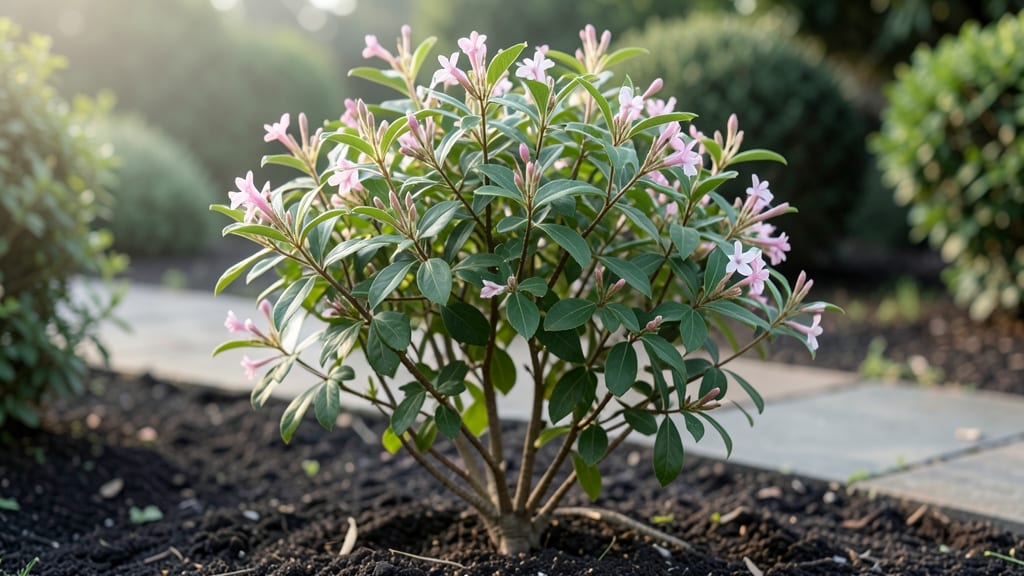
Your dwarf Korean lilac tree can handle winter—but only if you prune it right now, before the first hard frost. ✂️ I’ve watched these compact beauties go from leggy to lush in just one season when pruned correctly in late fall, and it all starts with understanding how cold affects their growth.
The key is timing: prune after blooms fade but before 30°F nights, which encourages fresh spring growth without shocking the plant. A sharp pair of pruners and a clean cut (just above a leaf node) is all you need—no fancy tools required.
The goal? Shape the tree while removing dead or crossing branches, which keeps air circulating and prevents winter rot.
What you’ll end up with is a neat, bushy tree that bursts with fragrant blooms earlier than ever. The right pruning also prevents those long, bare stems that make lilacs look sad in winter.
Mulch afterward with 2-3 inches of shredded bark to lock in moisture and shield roots from freezing.
This method works for zones 5-8, but if you’re in colder areas, add a breathable burlap wrap around the trunk for extra frost protection. Spring will arrive with fewer surprises—and way more perfume.
📚 In This Guide
- What you need
- Instructions
- Tips and common mistakes
- Wrapping up and next steps
What you need
- ● Pruning shears: Bypass pruners (sharp, clean, and sterilized with rubbing alcohol or a 10% bleach solution). Quantity: 1 pair.
- ○ Loppers: For thicker branches (up to 1-inch diameter). Quantity: 1 pair (optional if branches are small).
- ● Gloves: Heavy-duty gardening gloves (cut-resistant, like mechanics’ gloves or pruning gloves). Quantity: 1 pair.
- ○ Pruning saw: Only needed if removing very thick wood (rare for dwarf varieties). Quantity: 1 (optional).
- ● Disinfectant: 1 part bleach to 9 parts water (for sterilizing tools between cuts). Quantity: Small spray bottle or cup.
- ● Trash bags or bucket: For collecting pruned branches. Quantity: 1-2 (depending on size of tree).
- ○ Sharpie or marker: For labeling pruned branches if composting (optional but helpful).
- ● Hand pruners with a bypass blade: For precision cuts on delicate stems.
- ● Knee pad or stool: If your tree is tall or you prefer to work comfortably.
- ● Pruning sealant: (e.g., Tree Seal Tape) for large cuts to prevent disease (rarely needed for dwarf lilacs).
- ● Garden hose or spray bottle: To clean tools and rinse off sap after pruning.
- ● Notebook & pen: To jot down notes on your pruning plan or observations.
Instructions for winter-resilient pruning of dwarf Korean lilac trees
Here's how I keep my compact lilacs thriving through winter while shaping them for perfect spring blooms.
✂️ Step 1: Time Your Pruning for Late Winter Dormancy
Prune your dwarf Korean lilac 6-8 weeks before your last frost date—typically in late February or early March. This timing ensures the tree has time to set new buds before spring growth begins. You'll notice the branches are still dormant but no longer brittle from deep freeze.
I always wait until after the worst winter storms pass. Pruning too early leaves cuts vulnerable to frost damage, while waiting too late risks encouraging premature growth that can't survive late frosts. Look for brown, leafless branches that feel firm but not frozen solid when you touch them.
🌿 Step 2: Remove Dead, Damaged, and Crossing Branches First
Start by cutting out any dead wood—branches that are completely bare, hollow when tapped, or covered in blackened bark. Next, remove branches that cross or rub against each other, creating wounds that invite disease. Use sharp, clean pruners to make cuts at a 45-degree angle, about ¼ inch above a healthy bud.
I never cut more than ⅓ of the tree's total growth in one season. For dwarf varieties, that's usually just a few branches. You'll see where to cut by looking for outward-facing buds—they'll produce branches that grow away from the center, improving airflow and light penetration.
☀️ Step 3: Shape for Compact Growth and Airflow
Step back and visualize your tree's natural shape. Dwarf Korean lilacs respond well to an open-center form—cut branches to encourage an airy, rounded silhouette. Remove any branches growing straight up from the center, as these create dense, shaded interiors that promote fungal issues.
For height control, trim the tallest branches back by ⅓ of their length. Make cuts just above a leaf bud that faces outward. You'll notice new growth emerges from these buds in spring, creating a more balanced, bushier tree. Avoid cutting into old wood—look for the green ring just under the bark to identify live tissue.
🪴 Step 4: Clean Up and Protect the Tree
After pruning, rake up all fallen branches and debris from under the tree. This prevents pests from overwintering in the yard. I like to apply a 2-3 inch layer of mulch around the base, keeping it 6 inches away from the trunk to prevent rot.
For extra winter protection, I wrap the trunks of young dwarf lilacs with tree guard to prevent rodent damage. In areas with harsh winters, a lightweight frost cloth draped over the tree during extreme cold snaps helps protect buds from freeze damage. Water the base thoroughly before the first hard freeze to ensure roots stay hydrated through winter.
⏰ Step 5: Monitor and Adjust Through Early Spring
Check your pruned lilac in early spring for any dieback—branches that appear dead after winter. If you see new green growth at the tips of branches you thought were dead, the tree is still alive. Simply trim back to the last healthy bud. You'll notice new shoots emerging from the base of the tree, which is a good sign of vigorous regrowth.
If any branches look stressed after pruning, avoid heavy fertilization until you see new leaf buds swelling in spring. Too much nitrogen too early can encourage tender growth that's vulnerable to late frosts. Instead, focus on keeping the soil moist and providing bright, indirect light as new growth begins.
Tips & tricks for perfect winter lilac pruning
These little details make all the difference when shaping your dwarf lilac for vibrant spring blooms.
Timing is Everything: The 6-8 week window before your last frost is critical—this ensures your lilac has time to set new buds before spring growth begins. I check my local frost date calendar and mark the window in my gardening journal. If you're unsure, look for branches that are brown and leafless but still firm when touched—this is your perfect pruning signal. Waiting too late risks encouraging tender growth that can't survive late frosts.
Tool Prep Matters: Always use sharp, clean pruners to make precise cuts. Dull blades crush stems instead of cutting cleanly, which creates larger wounds that heal poorly. I like to wipe my pruners with rubbing alcohol between cuts to prevent spreading any potential diseases from branch to branch. For thicker branches, I use loppers with bypass blades—they make cleaner cuts than anvil pruners.
Visualize the Open Center: Step back and imagine your tree's ideal shape before making any cuts. Dwarf Korean lilacs thrive with an open center that allows light and air to circulate. When you remove branches growing straight up from the center, you're not just shaping—you're preventing future fungal issues. I often sketch a rough outline on paper first to visualize where cuts will go before touching the tree.
Spring Monitoring Secret: In early spring, look for new shoots emerging from the base of the tree—this is a great sign of vigorous regrowth. If you see new green growth at the tips of branches you thought were dead, trim back to the last healthy bud. This tells me the tree is still alive and gives it a chance to redirect its energy to stronger growth. I keep a small notebook to track which branches show new growth each year.
Pro Tips for Dwarf Korean Lilac Tree In Winter
- These little details make all the difference when shaping your dwarf lilac for vibrant spring blooms.
- Timing is Everything: The 6-8 week window before your last frost is critical—this ensures your lilac has time to set new buds before spring growth begins.
- Tool Prep Matters: Always use sharp, clean pruners to make precise cuts.
Frequently asked questions
about your dwarf Korean lilac tree in winter—because even the hardiest plants need a little TLC! Here are answers to the most common questions to keep your compact beauty thriving.How cold can a dwarf Korean lilac tree tolerate?
A dwarf Korean lilac (Syringa meyeri) is cold-hardy down to USDA Zones 3-7, meaning it can handle winters as chilly as -40°F (-40°C). However, young trees or those planted in late fall may need mulch or winter wrap for extra protection.
When is the best time to prune a dwarf Korean lilac in winter?
Prune your dwarf lilac right after flowering (late spring) or in early winter (before new growth starts). Avoid pruning in late winter—this can stimulate tender new growth that may frost damage. For winter pruning, aim for January or February in mild climates.
Can I plant a dwarf Korean lilac in winter?
Yes! Winter planting (from November to early spring) is ideal because the cooler soil reduces transplant shock. Just ensure the ground isn’t frozen, and protect the root ball with mulch or burlap until spring.
Why are my dwarf Korean lilac leaves turning brown in winter?
Brown leaves in winter are usually normal—it’s the tree’s way of conserving energy. However, if leaves are crunchy, black, or falling prematurely, it could signal fungal issues (like powdery mildew) or rodent damage. Prune affected branches in early spring and improve air circulation.
Will my dwarf Korean lilac bloom if I prune it too hard?
Dwarf lilacs bloom on old wood, so over-pruning (cutting back more than ⅓ of the plant) can reduce or delay flowers. Stick to light shaping—focus on removing dead wood and thinning crowded branches.
What’s a good alternative if my dwarf Korean lilac struggles in winter?
If winters are extremely harsh (Zone 2 or below), consider Syringa microphylla (dwarf lilac) or Weigela florida ‘Wine & Roses’—both are compact, fragrant, and even more cold-tolerant (Zone 4).
Wrapping up and next steps
The dwarf Korean lilac tree is a winter-friendly gem that rewards patience with stunning blooms and easy care—even in colder months!
With the right pruning techniques, you’ll encourage compact growth and vibrant flowers while keeping your tree healthy and resilient. Now’s the perfect time to roll up your sleeves and give your lilac some love!
Ready to transform your winter landscape? Start by gathering your tools, reviewing the steps, and scheduling your pruning session on a calm, dry day. Happy gardening—your future blooms will thank you! 🌸✂️