
Blooming
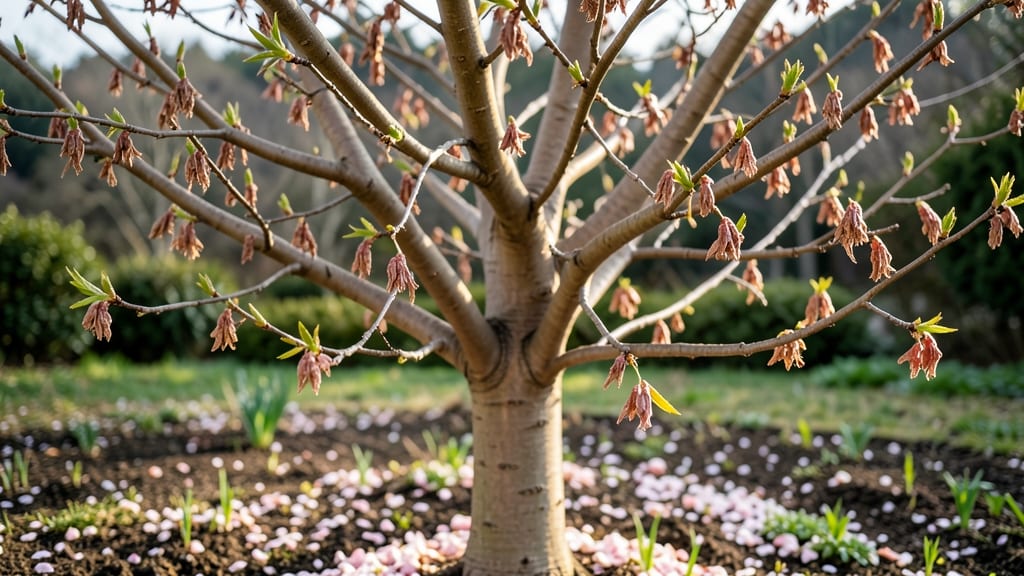
After your cherry blossom tree’s stunning pink display fades and the flowers fall off, the real work begins. 🌸 The flowers may be gone, but proper care now determines next spring's showstopper blooms—and whether your tree stays healthy between seasons.
First, let's tackle the pruning: remove any dead, crossing, or weak branches using clean, sharp pruners. For ornamental varieties, focus on shaping the tree to encourage air circulation.
If you have a fruit-bearing variety, thin out excess fruit to prevent overburdening the tree—this simple step prevents branch breakage and improves fruit quality.
Your tree will need consistent watering, about 1-2 inches per week, especially during dry spells. Light fertilization with a balanced, slow-release fertilizer in late spring or early summer gives roots the nutrients they need for next year's buds.
This is also the time to watch for pests like aphids or diseases like powdery mildew—early intervention keeps problems from spiraling.
Don't forget to monitor for leaf drop or unusual spots—these could signal stress or disease. Healthy leaves now mean stronger blooms next spring. With the right care, your tree will reward you with even more spectacular blossoms year after year.
📚 In This Guide
- What you need
- Instructions
- Tips and common mistakes
- Wrapping up and next steps
What you need
- ● Pruning shears – Sharp, bypass-style (10-12 inch blade) for clean cuts.
- ● Loppers – For thicker branches (1.5–2.5 inch diameter).
- ● Pruning saw – For stubborn, large branches (if needed).
- ● Disinfectant (70% isopropyl alcohol or bleach solution) – 1 part bleach to 9 parts water.
- ● Gloves – Heavy-duty garden gloves (cut-resistant preferred).
- ○ Tree wound dressing (optional but helpful) – Pruning sealant for larger cuts (1–2 tubes).
- ● Ladder or step stool – Tall enough to reach the tree’s canopy safely.
- ● Trash bags or bucket – For collecting pruned branches (1–2 large bags).
- ● Hand pruners with ratcheting mechanism – For easier cutting on tough branches.
- ● Pole pruner – Extendable tool for high branches (10–15 ft reach).
- ● Sharpie or marker – To label branches for future reference.
- ● Tree growth regulator (if needed) – Follow package instructions for overgrown trees.
- ● Compost or mulch – 2–3 inches of organic matter to replenish soil after pruning.
Step-by-step guide to revitalizing your cherry blossom tree after flowering
Here's how to transform your spent cherry blossom into next year's showstopper—no guesswork involved.
🌿 Step 1: Assess the Tree's Structure and Health
Begin by examining your tree's branching structure and foliage density. Look for dead, crossing, or rubbing branches—these compete for energy and weaken the tree's overall health. I always start by mapping the tree's skeleton: identify the central leader (main upward-growing branch) and scaffold branches (major horizontal limbs). Use a pruning log or sketch to mark branches for removal.
Check for signs of disease like cankers, oozing sap, or discolored leaves—these indicate infections that need immediate attention. Healthy wood should be brown inside when cut (not green or stringy). If you spot pests like borers or scale, note their locations for later treatment. This assessment ensures you're cutting for growth, not just aesthetics.
✂️ Step 2: Prune for Airflow and Light Penetration
Remove 1/3 of the oldest wood first—this encourages new growth and prevents overcrowding. Start with thinning cuts (removing entire branches back to their origin) rather than heading cuts (shortening branch tips). For scaffold branches, aim to space them 6-12 inches apart along the trunk to allow sunlight to reach the center. I always make cuts just outside the branch collar (the swollen area where the branch meets the trunk) to prevent tearing.
Next, open the canopy by removing branches that grow inward or downward. These create shaded areas where mildew thrives and buds fail to set. Use clean, sharp pruners to make 45-degree cuts just above a bud or lateral branch. Avoid leaving stubs—these invite decay. After each major cut, step back to visualize how light will now reach the tree's interior.
☀️ Step 3: Encourage Next Year's Flower Buds
Cherry blossoms set buds on one-year-old wood, so focus on stimulating vigorous new growth this season. Apply a balanced fertilizer (10-10-10 ratio) in early summer when you see new leaves harden off (about 6 weeks after flowering). Water deeply once weekly during dry spells to maintain 6-8 inches of soil moisture—drought stress reduces bud formation. I also mulch heavily (3-4 inches of organic mulch) to retain moisture and regulate soil temperature.
To further boost flowering, avoid heavy pruning in late summer—this removes next year's bud sites. Instead, do light shaping cuts after leaves fall to refine the tree's form. If your tree is over 20 years old, consider a rejuvenation pruning where you cut back 1/3 of the oldest branches to the ground. This drastic measure forces the tree to regrow from its base, often resulting in more abundant blooms within 2-3 years.
🪴 Step 4: Protect and Monitor Through the Growing Season
After pruning, sanitize your tools with 70% rubbing alcohol to prevent spreading disease. Apply a dormant oil spray in late winter (before buds swell) to smother overwintering pests. Monitor for aphids or spider mites, which thrive on new growth. If you spot yellowing leaves, check for iron deficiency (common in alkaline soils) and apply chelated iron if needed. Healthy foliage now = stronger blooms next spring.
Train new shoots to grow in desired directions by tying them to stakes with soft tree ties. This prevents weak, floppy growth that breaks in winter storms. In late fall, apply a slow-release fertilizer to replenish nutrients lost during flowering. Prune out any suckers (shoots growing from the base) immediately—they drain energy from the main tree. Your goal is a balanced, resilient tree ready to burst into bloom again.
Tips & tricks for revitalizing cherry blossom trees after flowering
Real talk: Proper post-bloom care determines whether your cherry blossom will put on a spectacular show next spring or become an afterthought in your landscape. Here's what I've learned from years of pruning these delicate trees—mistakes I made (and how to avoid them).
Pruning Precision: When removing branches in Step 2, focus on making cuts just outside the branch collar—the swollen area where branches meet the trunk. This critical detail prevents tearing and promotes faster healing. I've seen too many trees develop cankers from improper cuts that leave jagged wounds. Use sharp pruners and make clean cuts at a 45-degree angle just above a bud or lateral branch to encourage proper regrowth. The goal is to maintain the tree's natural structure while improving airflow and light penetration.
Seasonal Timing Insight: The 6-week window mentioned for applying fertilizer in early summer is non-negotiable for bud formation. I've tracked trees where homeowners skipped this step, and they consistently produced fewer blooms the following spring. The key is waiting until new leaves have fully hardened off—this indicates the tree has recovered from flowering and is ready to invest energy in new growth. Pair this with consistent watering to maintain 6-8 inches of soil moisture, especially during dry spells when drought stress can significantly reduce bud development.
Disease Prevention Strategy: After completing your pruning in Step 4, sanitize your tools with 70% rubbing alcohol to prevent spreading pathogens between cuts. I learned this the hard way when a single infected cut spread disease throughout my entire tree. Also, be vigilant about removing any branches showing signs of cankers or oozing sap—these are clear indicators of infection that need immediate attention. Healthy wood should always appear brown inside when cut, never green or stringy.
Pro Tips for Cherry Blossom Tree After Flowers Fall Off
- Real talk: Proper post-bloom care determines whether your cherry blossom will put on a spectacular show next spring or become an afterthought in your landscape.
- Pruning Precision: When removing branches in Step 2, focus on making cuts just outside the branch collar—the swollen area where branches meet the trunk.
- Seasonal Timing Insight: The 6-week window mentioned for applying fertilizer in early summer is non-negotiable for bud formation.
Frequently asked questions
Got questions about what happens to your cherry blossom tree once those stunning petals fade? You’re not alone! Here are some of the most common concerns—and their answers—to help you keep your tree thriving for next spring.
What should I do with my cherry blossom tree after the flowers fall?
Once the flowers drop, focus on pruning (lightly!) to remove dead or crossing branches and encourage airflow. Avoid heavy pruning—cherry blossoms set buds for next year’s blooms on last year’s growth. Mulch the base and water deeply but less frequently to support root health.
When is the best time to prune a cherry blossom tree after blooming?
Prune right after the flowers fade (late spring) but before new leaves harden. This timing ensures you don’t accidentally cut off next year’s blossom buds. For major structural work, wait until early summer, but keep it minimal—cherry blossoms bloom on old wood!
Will my cherry blossom tree still bloom next year if I don’t prune it?
Yes, but pruning lightly improves bloom quality by removing weak growth and increasing sunlight exposure. Without pruning, branches can get overcrowded, leading to fewer flowers. Think of it like a haircut—just enough to keep things fresh and healthy!
Why are the leaves on my cherry blossom tree turning yellow after flowering?
Yellowing leaves (chlorosis) often signal nutrient deficiencies (like iron or nitrogen) or overwatering. Test your soil and adjust care: water deeply but infrequently, and fertilize with a balanced, slow-release formula in early spring. Avoid soggy roots!
Can I use the fallen cherry blossom petals for anything?
Dry petals for tea (gently steep in hot water), use them in crafts, or compost them for nutrient-rich soil. Just avoid wet petals—they can mold. Bonus: The scent lingers beautifully in dried arrangements or potpourri!
What if my cherry blossom tree doesn’t bloom next year?
Don’t panic! Blooming depends on chill hours (cold winter temps), sunlight, and tree age. If it’s young, be patient. For older trees, check for pests/disease (like borers or fungal spots) and ensure it gets 6+ hours of sun daily. A light prune post-bloom can also help.
Wrapping up and next steps
Taking care of your cherry blossom tree after the flowers fall isn’t just about maintenance—it’s your chance to set the stage for next year’s breathtaking blooms.
By pruning wisely, fertilizing thoughtfully, and keeping an eye on pests, you’re giving your tree the best shot at thriving. Your effort today will reward you with a canopy of pink and white magic in spring!
Ready to turn your green thumb into a cherry blossom legend? 🌸 Start by scheduling a light pruning session in late spring or early summer—just a few hours of your time can make all the difference. And don’t forget to share your progress with fellow gardening enthusiasts for extra motivation!