
Blooming
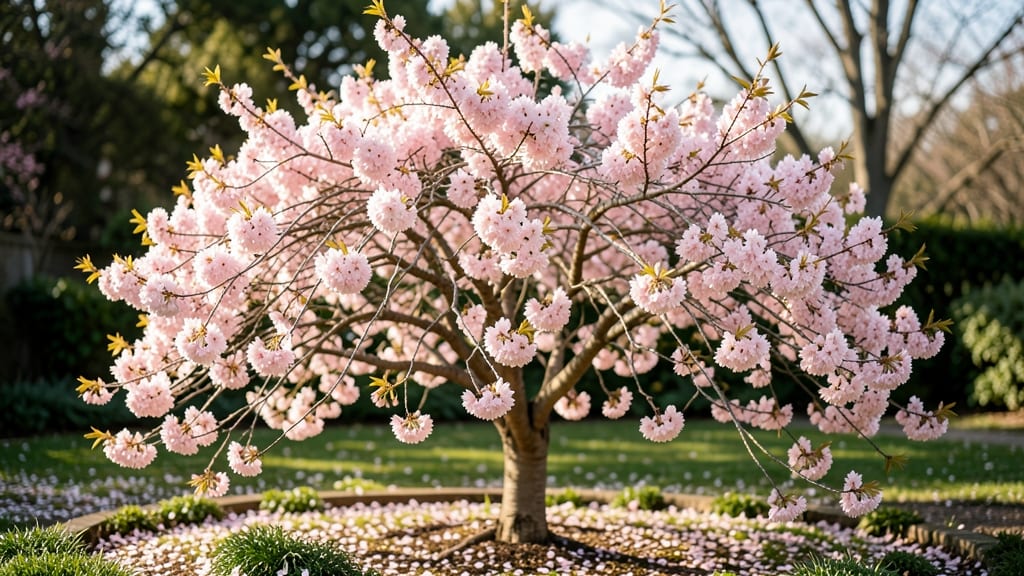
Your Yoshino cherry tree’s pink cloud of blooms won’t last forever—but that’s when the real magic begins. 🌸 After petals drift away, the tree needs a strategic reset to fuel next year’s showstopping display. The key?
Pruning in late spring or early summer, when new growth signals it’s time to shape, thin, and strengthen. This isn’t about drastic cuts—think of it as a haircut for your tree. Focus on removing water sprouts (those vertical shoots), crossing branches, and any deadwood.
A well-timed trim encourages a denser canopy and more abundant blooms by late winter. I’ve seen trees go from sparse to spectacular in just one season with this approach. What you’ll end up with is a tree that’s stronger, healthier, and primed for next spring’s blooms.
The secret? Prune when the tree is actively growing but before summer heat sets in. That’s when it can recover fastest and put energy into next year’s buds. Works for both young trees and mature specimens—just adjust the intensity. Here’s how to do it right without stressing your tree.
📚 In This Guide
- What you need
- Instructions
- Tips and common mistakes
- Wrapping up and next steps
What you need
- ○ Pruning shears: Bypass pruners (sharp, 6–8" blades) for clean cuts on small branches. Optional: Anvil pruners for thicker branches (but avoid crushing sap).
- ● Loppers: 18–24" bypass loppers for branches ½–2" in diameter.
- ● Pruning saw: Curved-tooth handsaw for branches >2" thick (avoid jagged cuts!).
- ● Gloves: Heavy-duty, cut-resistant (cherry trees have thorns!).
- ● Disinfectant: 70% isopropyl alcohol or bleach solution (1:9 bleach:water) to sterilize tools between cuts.
- ○ Pruning sealant: Tree wound dressing (optional, for cuts >½" thick).
- ● Ladder or step stool: Sturdy, extendable (reach up to 15–20' safely).
- ● Heavy-duty trash bags: 30+ gallon for debris cleanup.
- ● Workwear: Long sleeves, pants, and closed-toe shoes (protection from sap and branches).
- ● Best time to prune: Late spring (after blooms, May–June) or dormant season (late winter, before buds swell). Avoid pruning during peak bloom (March–April).
- ● Weather check: Calm, dry conditions (no rain forecast for 24 hours).
- ● Tree health: Prune only if the tree is pest-free (check for aphids, borers, or fungal spots).
- ● Local regulations: Verify if your area requires permits for large-scale pruning (common in urban parks).
- ● ✨ Sharpen tools first! Dull blades tear bark—use a file or sharpening stone before starting.
- ● 🌡️ Work in the shade. Yoshino cherries thrive in sun, but you’ll thank us for avoiding midday heat.
- ● 🎯 Map your cuts. Sketch the tree’s shape beforehand to visualize open-grown vs. layered pruning goals.
Step-by-Step pruning guide for a thriving Yoshino cherry tree after bloom
Here’s how I keep my Yoshino cherry tree looking stunning year-round—pruning isn’t just for spring, it’s a seasonal commitment.
✂️ Step 1: Light Pruning Immediately After Flowering
As soon as the Yoshino cherry’s blooms fade, grab your pruners and remove any dead or crossing branches. These are the ones that rub against each other or grow inward—they’ll only create weak spots and invite disease. I like to work on a dry day when the tree’s energy is still focused on its recent bloom rather than new growth.
Look for branches that are thinner than a pencil or have brown, brittle ends. Snip these back to a healthy outward-facing bud or branch junction. This keeps the canopy open and airy, which is critical for preventing fungal issues. Remember, the goal here isn’t to reshape the tree—just tidy up what’s already damaged or problematic.
🌿 Step 2: Summer Thinning for Airflow (June-July)
In mid-summer, focus on thinning out about 20% of the tree’s branches to improve airflow. This is when the Yoshino cherry puts on new growth, and crowded branches create a humid microclimate perfect for pests and disease. Start at the outer edges of the canopy and work your way inward.
Remove branches that grow straight upward—these compete with others for light and weaken the tree’s structure. You’ll know you’re doing it right when you can see light filtering through the canopy from above. Avoid cutting more than one-third of any branch’s length in a single session, or you’ll shock the tree.
✂️ Step 3: Structural Pruning in Late Summer (August-September)
This is the time to shape the tree for next year’s bloom. Look for branches that are growing too close to the ground or those that create a narrow V-shape with another branch—these are called “water sprouts” and they’ll only grow into weak, leggy limbs. Cut these back to a strong lateral branch or bud.
If you notice any branches that are growing toward the center of the tree, remove about half their length to encourage outward growth. The Yoshino cherry’s natural shape is an open, rounded vase, so aim to maintain that silhouette. After pruning, give the tree a deep watering to help it recover and reduce stress.
🌱 Step 4: Minimal Winter Pruning (Dormant Season)
Winter is for light maintenance only—no major cuts. Focus on removing any dead, diseased, or broken branches that became obvious after the growing season. You can also trim back any suckers (those vigorous shoots sprouting from the base or along the trunk) to about 6 inches from the ground.
This is also the time to clean up any fallen debris around the tree’s base. Piles of leaves and twigs create a damp, dark environment that attracts pests. A quick rake and a light layer of mulch (about 2-3 inches) will protect the roots while keeping the area tidy.
⏰ Step 5: Post-Pruning Care for Strong Recovery
After any significant pruning, the Yoshino cherry will need extra care to bounce back. Water deeply once a week during dry spells, and avoid fertilizing right after pruning—wait until new growth appears in spring. A light application of balanced fertilizer (like 10-10-10) in early spring will give the tree the nutrients it needs to recover.
Keep an eye out for signs of stress, like yellowing leaves or stunted growth. If you see these, it might mean you pruned too aggressively or the tree needs more water. The key is to prune with intention—never more than 25% of the canopy in a single season—and always use clean, sharp tools to make smooth cuts.
Tips & tricks for year-round Yoshino cherry tree care
These seasonal strategies will help you maintain a healthy, vibrant Yoshino cherry tree throughout every phase of its growth cycle.
Tool Preparation: Always sterilize your pruning tools with rubbing alcohol or a 10% bleach solution before each use. This prevents spreading disease between cuts. I also keep a small bag to collect fallen leaves and debris during pruning—it’s surprising how much accumulates! This keeps your workspace clean and reduces pests hiding in organic matter.
Seasonal Timing: The key to successful pruning is working with the tree’s natural growth cycles. In Step 1, when you’re removing dead branches after flowering, do this within 2-3 weeks of bloom fade. For summer thinning in Step 2, wait until new growth is about 6 inches long—this ensures you’re cutting healthy branches rather than just trimming back tender new shoots. Late summer pruning in Step 3 should happen after the tree has finished its main flush of growth but before fall dormancy begins.
Visual Pruning Cues: When thinning in Step 2, look for branches that cast shadows on other branches below them—these are competing for light. For Step 3’s structural pruning, imagine the tree’s natural vase shape: branches should spread outward like a fountain, not grow inward like fingers reaching for the center. After each cut, step back and visualize the tree’s silhouette to maintain balance. This "tree vision" helps you make decisions that enhance the tree’s natural form rather than forcing an unnatural shape.
Pro Tips for Yoshino Cherry Tree After Bloom
- These seasonal strategies will help you maintain a healthy, vibrant Yoshino cherry tree throughout every phase of its growth cycle.
- Tool Preparation: Always sterilize your pruning tools with rubbing alcohol or a 10% bleach solution before each use.
- Seasonal Timing: The key to successful pruning is working with the tree’s natural growth cycles.
Frequently asked questions
Got questions about caring for your Yoshino cherry tree after the stunning spring bloom? You’re not alone! Here are some of the most common queries—and their answers—to keep your tree thriving year-round.
What’s the best time to prune a Yoshino cherry tree after blooming?
Prune your Yoshino cherry tree right after blooming (late April to early May) to encourage new growth. Avoid pruning in late summer or fall, as this can stimulate tender shoots vulnerable to winter damage. Focus on shaping, removing dead wood, and thinning crowded branches for airflow.
How much can I trim without harming the tree?
Limit pruning to no more than 20-25% of the canopy in a single session. Over-pruning stresses the tree and reduces next year’s bloom potential. For mature trees, prioritize selective thinning over heavy cuts. If unsure, start small and observe the tree’s response.
Will pruning affect next year’s cherry blossoms?
Pruning after blooming minimizes impact on flowers, but avoid heavy cuts near flowering wood. Focus on structural pruning (removing crossing branches, water sprouts) and thinning (opening the canopy) to maintain bloom health. Over-pruning weak branches can reduce flower buds—but proper timing keeps your tree blooming beautifully!
What should I do if my Yoshino cherry tree drops leaves or looks sick after pruning?
Leaf drop or wilting can signal stress from over-pruning, disease, or pests. Check for fungal spots (like powdery mildew) or aphids. If pruning was the culprit, reduce watering temporarily and fertilize lightly with a balanced formula. For pests, use neem oil or insecticidal soap. Monitor for 2–3 weeks—healthy trees often bounce back!
Are there alternatives to Yoshino cherries for low-maintenance blooms?
If Yoshino care feels high-maintenance, consider Kanzan cherry (more disease-resistant) or Okame cherry (earlier blooms, smaller size). For non-fruiting options, ornamental cherries like ‘Autumn Brilliance’ offer stunning fall foliage with less pruning demands. Always match your climate zone to the tree’s needs!
Wrapping up and next steps
The Yoshino cherry tree after bloom isn’t just about admiring its stunning pink blossoms—it’s about nurturing its long-term health and beauty. By mastering year-round pruning, you’ll encourage a lush canopy, vibrant foliage, and even more spectacular blooms in the future.
Whether you’re a seasoned gardener or just starting, every trim brings you closer to a thriving tree that rewards you with nature’s artistry.
🌱 Ready to take the next step? Grab your pruners, mark your calendar for seasonal tasks, and give your Yoshino cherry tree the care it deserves. With patience and practice, you’ll turn post-bloom maintenance into a rewarding ritual—one that keeps your tree flourishing for decades to come! 🌿