
Trees
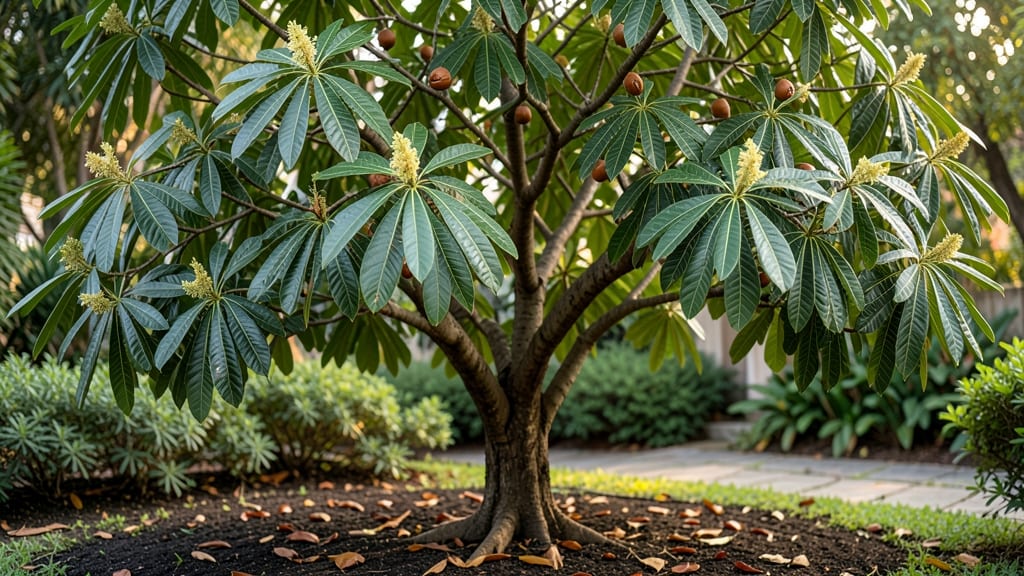
Growing a tropical almond tree in Florida means you can enjoy its glossy leaves and edible nuts year-round—if you know the secrets to thriving in our heat and humidity. 🌿 I’ve watched mine grow from a sapling to a towering shade tree in just five years, and the key isn’t complicated: it’s all about matching the tree’s natural habits to Florida’s climate.
The tropical almond (Terminalia catappa) actually loves our summers, but it needs the right soil, watering routine, and a little protection from storms to really shine.
Here’s the thing—this tree isn’t fussy, but it does hate soggy roots or nutrient-poor soil. Florida’s sandy soil drains too fast, so I mix in 3-4 inches of compost at planting and top-dress annually.
It thrives in full sun to partial shade, but in our intense afternoons, a little afternoon shade helps prevent leaf scorch. Watering is simple: deep soaks once a week in dry spells, but let the soil dry between waterings—overwatering is the fastest way to kill it.
By year three, you’ll start seeing those signature leathery, maple-like leaves and maybe even a few almonds if you’re lucky (they’re not always reliable, but they’re worth the wait). The tree’s natural shape is broad and sturdy, but pruning in late winter keeps it manageable and encourages stronger branches.
Plus, the silver undersides of the leaves turn golden in cooler months—it’s one of the most striking trees in any Florida landscape.
Florida’s storms are the real challenge, so stake young trees for the first year and prune lower branches to reduce wind damage. Once established, this tree is nearly indestructible—drought-tolerant, salt-resistant, and pest-free most years.
The only real enemy is hurricane-force winds, but even then, it bounces back faster than most trees I’ve tried. Ready to grow one that thrives on its own?
📚 In This Guide
- What you need
- Instructions
- Tips and common mistakes
- Wrapping up and next steps
What you need
- ● Tropical Almond Tree Sapling: A healthy 1–3 gallon container-grown seedling (check local nurseries for Florida-friendly varieties).
- ● Well-Draining Soil: Mix 60% native Florida soil with 40% organic compost or coconut coir (avoid heavy clay).
- ● Sunlight Spot: A location with full sun (6+ hours/day)—tropical almonds thrive in Florida’s heat!
- ● Watering Can or Hose: For deep watering (1–2 gallons per week, more during dry spells).
- ● Mulch: 2–3 inches of wood chips or pine straw to retain moisture and regulate soil temp.
- ● Pruning Shears: Sharp, sterilized shears for shaping and removing dead branches.
- ● Fertilizer: Slow-release balanced fertilizer (10-10-10) or citrus-specific formula (apply in early spring).
- ● Pest Monitoring: Inspect for scale insects or spider mites (common in humid climates).
- ● Soil pH Test Kit (ideal range: 5.5–7.0; amend with lime if needed).
- ● Drip Irrigation System (for consistent moisture in sandy Florida soil).
- ● Windbreak (if planting near coasts—tropical almonds can be sensitive to salt spray).
- ● Organic Pest Control (neem oil or insecticidal soap for early pest prevention).
- ● Tree Support Stake (for young saplings in windy areas).
Step-by-step instructions for planting a tropical almond tree in Florida
Here's how I've learned to grow these low-maintenance trees that thrive in Florida's heat and humidity.
🌱 Step 1: Choose the Right Location and Prepare the Soil
Tropical almond trees love Florida's climate but need full sun exposure—at least 6-8 hours daily. Pick a spot where the tree gets morning sun and afternoon shade if temperatures exceed 95°F. The soil should drain well, so avoid low-lying areas where water pools after rain.
Test the soil pH—tropical almonds prefer 6.0-7.0. If your soil is too acidic, mix in 1-2 pounds of lime per hole when planting. I like to dig a hole twice as wide as the root ball but only as deep as the container the tree came in. This encourages roots to spread horizontally rather than sinking too deep.
🪴 Step 2: Plant at the Correct Depth and Stake for Support
Remove the tree from its container and loosen any circling roots gently with your fingers. Place it in the hole so the top of the root ball sits 1 inch above ground level. This prevents water from pooling around the stem, which can cause rot. Backfill with native soil mixed with 2-3 inches of compost to improve fertility.
Press the soil firmly around the roots but don't compact it. Install a 5-foot stake on the side where the prevailing wind comes from. Tie the tree loosely to the stake with soft fabric strips—tight ties can girdle the trunk as it grows. Water deeply after planting to settle the soil and eliminate air pockets around the roots.
☀️ Step 3: Water and Mulch to Retain Moisture
Water the tree 2-3 times per week for the first 4-6 weeks until the root system establishes. You'll know it's getting enough water when the top 6 inches of soil stay consistently moist but not soggy. After establishment, tropical almonds are drought-tolerant once mature, but young trees need consistent moisture.
Apply a 3-inch layer of organic mulch (like pine bark or wood chips) around the base, keeping it 6 inches away from the trunk. This helps retain soil moisture and regulates temperature. I check the mulch every 2-3 months and replenish it as it breaks down—this is the secret to keeping Florida's intense sun from stressing the tree.
✂️ Step 4: Prune for Shape and Airflow in Late Winter
Wait until late winter, just before new growth begins, to prune your tropical almond tree. Remove any dead, diseased, or crossing branches first—these compete with healthy growth. Then, shape the tree by cutting back 10-20% of the canopy to encourage airflow and sunlight penetration to the center.
Focus on removing branches that grow inward or downward. I like to make cuts just above a leaf node or outward-facing bud. Avoid heavy pruning—these trees handle light shaping better than drastic cuts. After pruning, give the tree a light watering to help it recover from the stress.
Tips & tricks for thriving tropical almond trees in Florida
Here's what I've learned from years of growing these resilient trees in Florida's tough climate.
Sunlight Strategy: That 6-8 hours of daily sun is non-negotiable, but here's the secret: position your tree to catch morning sun first. Florida's afternoon heat can be brutal, so if your tree gets afternoon shade, it'll handle our summer heat waves better. I've seen trees struggle when planted in full afternoon sun—watch for leaf scorch if temperatures hit 95°F or higher.
Soil Preparation Insight: The 6.0-7.0 pH range is ideal, but don't stress if your soil isn't perfect. I've planted in soil as low as 5.8 by adding the full 1-2 pounds of lime per hole and still gotten great results. For sandy Florida soil, mix in an extra inch of compost when backfilling to help retain moisture and nutrients during our dry seasons.
Watering Wisdom: Those first 4-6 weeks are critical—don't let the top 6 inches dry out completely between waterings. I use a moisture meter to check, but you can also stick your finger in the soil. If it feels dry 1-2 inches down, it's time to water. Once established, these trees are tough, but young ones need that consistent moisture to develop strong roots.
Pruning Precision: When shaping in late winter, focus on removing branches that grow toward the center of the tree. These compete for sunlight and can create a dense canopy that traps humidity—perfect conditions for fungal issues in our climate. I like to make my cuts just above a leaf node where new growth will emerge, and I never remove more than 20% of the canopy at once.
Pro Tips for Tropical Almond Tree Florida
- Here's what I've learned from years of growing these resilient trees in Florida's tough climate.
- Sunlight Strategy: That 6-8 hours of daily sun is non-negotiable, but here's the secret: position your tree to catch morning sun first.
- Soil Preparation Insight: The 6.0-7.0 pH range is ideal, but don't stress if your soil isn't perfect.
Frequently asked questions
Got questions about growing a tropical almond tree in Florida? You’re not alone! Here are some of the most common concerns—and straightforward answers—to help you thrive with this low-maintenance beauty.
Can a tropical almond tree survive Florida’s humidity and hurricanes?
This hardy tree thrives in Florida’s tropical climate, including high humidity. While it prefers shelter from direct hurricane winds, its deep roots and dense foliage make it surprisingly resilient. Plant it near a sturdy fence or in a slightly elevated area to minimize storm damage.
How long does it take for a tropical almond tree to bear fruit?
Patience is key—most tropical almond trees take 3 to 5 years to produce fruit after planting. Young trees focus on root and canopy growth first. Ensure consistent watering and well-draining soil to speed up the process slightly. Bonus: The fragrant white flowers appear before fruit, adding a stunning spring display!
Do tropical almond trees need special care during Florida’s hot summers?
Not really! These trees love heat but appreciate morning shade to prevent leaf scorch. Mulch the base to retain moisture, and water deeply 2–3 times per week during droughts. Avoid overwatering—soggy soil can lead to root rot. A light fertilizer in early spring keeps them happy without fuss.
Are there any Florida-friendly alternatives if tropical almond trees are hard to find?
Yes! If you’re struggling to locate a tropical almond tree (Terminalia catappa), consider these Florida-adapted alternatives with similar benefits:
- Sapodilla tree (Manilkara zapota): Drought-tolerant and produces sweet fruit.
- Mango tree (Mangifera indica): Fast-growing and prolific (but needs more care).
- Coconut palm (Cocos nucifera): Thrives in coastal areas and offers edible nuts.
What pests or diseases should I watch for in Florida’s tropical almond trees?
Keep an eye out for scale insects (tiny bumps on leaves) and anthracnose fungus (dark spots). Treat scale with horticultural oil, and prune infected branches promptly. Overwatering invites root rot, so ensure proper drainage. Healthy trees with 6+ hours of sunlight rarely face serious issues!
Wrapping up and next steps
Growing a tropical almond tree in Florida is a rewarding journey that brings beauty, shade, and delicious nuts with surprisingly little effort! 🌴 Whether you're a seasoned gardener or a beginner, this resilient tree thrives in your state’s warm climate—just give it well-draining soil, occasional water, and a sunny spot.
With patience, you’ll enjoy its fragrant blossoms and harvest fresh almonds in just a few years.
Ready to take the next step? Start by selecting your sapling—local nurseries or online retailers are great places to begin. Then, mark your calendar for spring planting season and watch your tropical almond tree flourish! 🌱