
Pests and Diseases
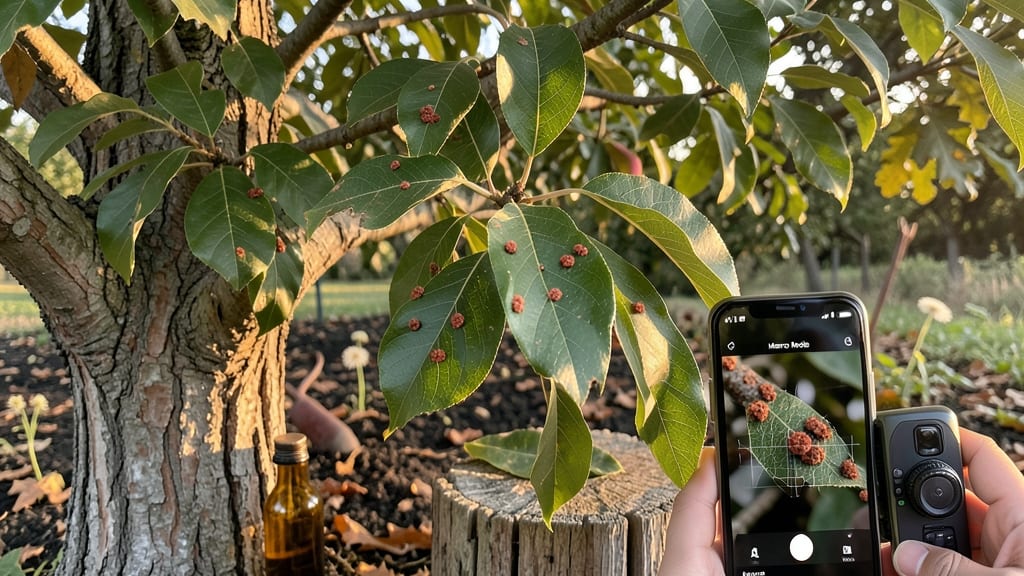
Red bumps on peach tree leaves mean one thing: your tree is fighting an infection or pest attack. 🌿 I’ve seen this happen after a wet spring—those little red spots are often rust fungus or spider mite damage, and if ignored, they’ll weaken your tree’s ability to produce fruit next season.
The good news? Early action can stop it before it spreads.
First, check the undersides of leaves—rust fungus looks like orange-red powdery spots, while spider mites leave tiny yellow specks and webbing. Both thrive in hot, dry weather, so watering deeply in the morning helps. Prune affected branches immediately to prevent spread, and don’t compost the clippings.
For rust, a copper fungicide spray in early spring (before buds swell) works best, but organic gardeners swear by neem oil mixed with baking soda. Mites? Blast leaves with water to knock them off, then treat with insecticidal soap. Repeat every 7–10 days until new growth appears.
Prevention is key: thin out branches for airflow, mulch to retain moisture, and spray trees with dormant oil in late winter. If the problem persists after two treatments, call a local arborist—some infections need professional-grade solutions.
Why it happens
When your peach tree’s leaves start developing red bumps, it’s not just a cosmetic issue—it’s a sign that something’s disrupting the plant’s health. These bumps can stem from fungal infections, environmental stress, or even pest activity.
Let’s break down the most common culprits and why they trigger these unsightly (and potentially harmful) symptoms.
🍄 Fungal Infections: The Silent Invaders
Fungi are the most frequent cause of red bumps on peach tree leaves, with Taphrina deformans (the pathogen behind peach leaf curl) being the primary suspect. This fungus thrives in damp, cool conditions—perfect for early spring or rainy seasons. Here’s how it works:
- Spores spread: Fungal spores overwinter on infected buds, bark, or fallen leaves. When conditions are ideal (moisture + temperatures between 40–60°F), they germinate and infect new growth.
- Leaf distortion: The fungus disrupts cell division, causing thickened, curled, or reddened areas. These bumps are essentially galls—abnormal growths where the fungus hijacks the plant’s nutrients.
- Weakened tree: Infected leaves can’t photosynthesize efficiently, starving the tree of energy and reducing fruit production.
Pro tip: 🌡️ Monitor humidity levels—fungi love moisture, so prune for airflow and avoid overhead watering.
🐛 Pest Damage: Tiny Mouths, Big Problems
While fungi are the usual suspects, pests like peach leaf curl mites or scale insects can also cause red, bumpy lesions. Here’s how:
- Feeding trauma: Mites and scales pierce leaf cells to suck out sap, triggering a defensive response. The tree “walls off” the damage with red, raised bumps (similar to how humans develop calluses).
- Honeydew buildup: Some pests excrete sticky honeydew, which attracts sooty mold—a black fungal growth that further stresses the tree.
- Secondary infections: Open wounds from pests create entry points for fungi or bacteria, worsening the issue.
Pro tip: 🔍 Inspect undersides of leaves—mites and scales often hide there, and early spotting means fewer bumps later.
🌡️ Environmental Stress: When Conditions Go Rogue
Extreme or fluctuating conditions can also trigger red bumps, though these are usually less severe than fungal or pest-related issues:
- Temperature shocks: Sudden cold snaps or heatwaves can cause physiological stress, leading to localized reddening or bumpy growths as the tree struggles to adapt.
- Nutrient imbalances: Too much nitrogen or a deficiency in micronutrients (like zinc or magnesium) can disrupt cell development, resulting in irregular bumps.
- Sun scald: Intense afternoon sun on young leaves (common in hot climates) can cause red, blistered spots that resemble bumps.
Pro tip: 💡 Test your soil—a simple pH or nutrient test can reveal if deficiencies are the hidden cause.
🛡️ Chemical Reactions: Herbicide or Spray Drift
If your peach tree is near crops or lawns treated with herbicides (especially 2,4-D or glyphosate), drift or runoff can cause red, bumpy lesions. These chemicals mimic plant hormones, leading to:
- Cellular malformation: Leaves may develop thickened, puckered, or reddened areas as the plant overreacts to the chemical stress.
- Delayed symptoms: Damage might not appear for weeks, making it hard to trace back to the source.
Pro tip: ✨ Buffer spray applications—if you must treat nearby plants, do it after peach trees have fully leafed out to minimize exposure.
Fixing Peach Tree Leaf Issues
Now that you’ve identified the cause of those pesky red bumps on your peach tree leaves—whether it’s peach leaf curl, rust fungus, mite infestations, or nutrient deficiencies—it’s time to take action!
Early intervention is key to saving your tree and ensuring a bountiful harvest. Below, we’ll break down practical, step-by-step solutions tailored to each culprit, plus preventive tips to keep your peach tree thriving.
**🔥 Act Fast—This fungus spreads quickly in damp, cool springs!
🍳 Apply Fungicide Before Bud Break
- Best time to treat: Late fall (after leaves drop) or early spring (before buds swell).
- What to use:
- Sulfur or lime-sulfur sprays (follow label rates—overuse can burn leaves!).
- Organic options: Neem oil (mix 1 tbsp per quart of water + a drop of dish soap) or baking soda spray (1 tbsp baking soda + 1 tsp oil + 1 gallon water).
- Spray
👨🍳 Prune and Clean Up
- Remove infected leaves/branches and sterilize pruners (soak in rubbing alcohol or bleach solution).
- Rake and dispose of debris—don’t compost it! Fungal spores can survive in old leaves.
🌡️ Boost Tree Health
- Water at the base (avoid wetting foliage) to reduce humidity.
- Mulch with 2–3 inches of organic mulch (straw or wood chips) to improve drainage.
💡 Prevention is easier than cure—rust weakens trees over time!
🔪 Remove Infected Leaves Immediately
- Pick off and destroy leaves with rust spots (don’t let them fall to the ground).
- Prune heavily infected branches in dry weather (fungus spreads via spores).
🥘 Use Fungicidal Sprays
- Copper fungicides (same as for leaf curl) work well.
- Systemic fungicides (e.g., myclobutanil or propiconazole) for severe cases.
- Reapply every 2–3 weeks during spring and fall (when spores are most active).
🎯 Improve Air Circulation
- Thin out dense branches to allow sunlight and airflow.
- Avoid overhead watering—water early in the day so leaves dry quickly.
✨ Mites thrive in hot, dry conditions—keep your tree hydrated!
💦 Blast Off Mites with Water
- Hose down the tree with a strong spray (especially undersides of leaves) to knock off mites.
- Repeat every 3–4 days for 2 weeks.
🍎 Apply Miticides or Natural Remedies
- Insecticidal soap (1.5 tbsp per gallon of water) – safe and effective.
- Neem oil (1 tbsp per quart of water + surfactant) – disrupts mite life cycles.
- Horticultural oil (apply in early spring before buds open).
- Avoid chemical miticides unless infestation is severe (they can harm bees).
🌿 Encourage Beneficial Predators
- Ladybugs, lacewings, and predatory mites eat spider mites! Buy them online or attract them with dill or fennel plants nearby.
💡 Healthy soil = happy tree!
📊 Test Your Soil
- Get a soil test kit (available at garden centers) to check pH and nutrient levels.
- Ideal pH for peach trees: 6.0–7.0 (adjust with lime to raise pH or sulfur to lower it).
💪 Fertilize Correctly
- Spring: Apply a balanced fertilizer (10-10-10) or citrus-specific fertilizer (high in nitrogen).
- Summer: Switch to a low-nitrogen, high-potassium fertilizer (e.g., 5-10-10) to boost disease resistance.
- Avoid over-fertilizing—it burns roots and attracts pests!
🥗 Add Organic Amendments
- Compost or well-rotted manure (work into soil in fall or early spring).
- Epsom salt (1 tbsp per gallon of water) for magnesium deficiency (if leaves show yellow between veins).
- Plant resistant varieties (e.g., ‘Redhaven’, ‘Elberta’, or ‘Relenta’—check local recommendations).
- Prune in late winter to improve airflow and sunlight penetration.
- Sanitize tools between cuts to prevent disease spread.
- Monitor regularly—catch issues early with weekly leaf inspections.
- Avoid stressing the tree—consistent watering (deep, infrequent soakings) and proper pruning go a long way!
🌟 Pro Tip: If you’re unsure what’s causing the bumps, send a photo to your local cooperative extension service—they often provide free diagnostics!
By following these steps, your peach tree should bounce back strong, and those red bumps will be a thing of the past. Happy gardening!** 🌳🍑
Frequently asked questions
Are red bumps on peach tree leaves always caused by disease?
Not always! While fungal infections like peach leaf curl are common, red bumps can also come from pest damage (like mites or scale insects), environmental stress (nutrient deficiencies or sun scald), or even chemical exposure from nearby herbicide drift. Always check the undersides of leaves first for webbing or tiny pests.
How can I tell if my peach tree has rust fungus vs. peach leaf curl?
Rust fungus shows as orange-red powdery spots (often on undersides), while peach leaf curl creates thickened, puckered red bumps that distort leaf shape. Rust thrives in wet springs, while leaf curl appears in cool, damp conditions. Both need copper fungicides, but prune rust-infected leaves immediately to stop spore spread.
Will removing infected leaves really help my peach tree recover?
Removing infected leaves breaks the disease cycle by eliminating spore sources. For fungal issues, destroy affected leaves (don't compost them) and sterilize pruners between cuts. This reduces next year's infection risk by up to 70%. Always prune in dry weather to prevent spreading spores through the air.
Can I use the same treatment for red bumps caused by mites vs. fungus?
No—treatments differ completely. For mites, use insecticidal soap or neem oil (which suffocates them), while fungi need copper-based fungicides or sulfur sprays. Mites thrive in dry heat, so watering deeply helps, whereas fungi love moisture. Test a small leaf area first to confirm the cause before treating.
How often should I check my peach tree for early signs of red bumps?
Inspect leaves weekly during spring and fall—these are peak times for fungal spores and pest activity. Focus on new growth first, as young leaves are most vulnerable. Early detection lets you treat issues before they spread, saving your tree's health and fruit production. Keep a small notebook to track when bumps first appear.