
Trees
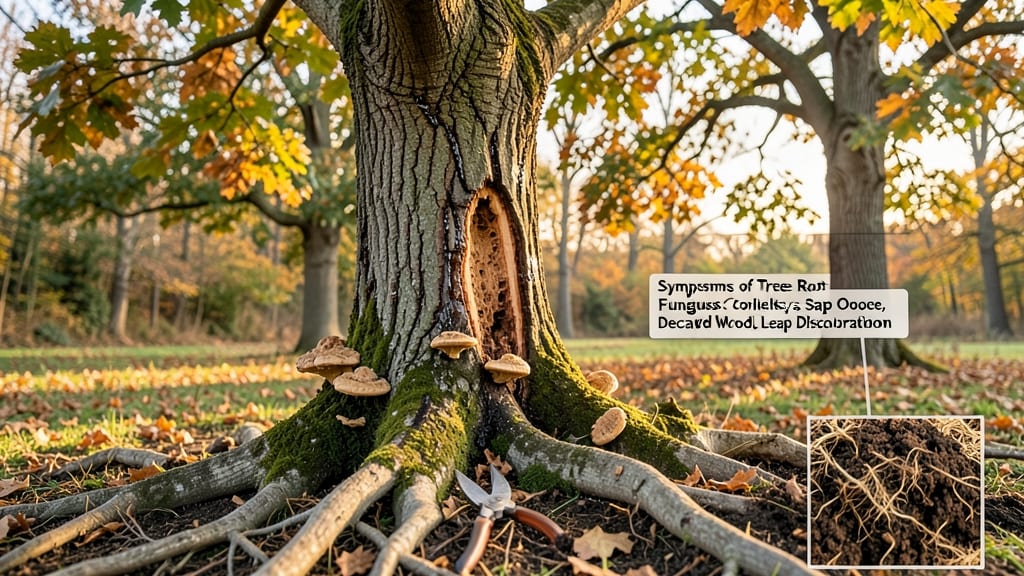
That tree rot fungus creeping up your oak’s trunk could mean the end of your shade tree if you don’t act fast. 🌳 I’ve seen it turn a healthy 50-foot giant into a hollow shell in just two growing seasons—and the worst part?
You might not notice it until it’s too late. The first sign is usually a strange, spongy texture under the bark, followed by oozing sap or mushrooms growing right at the base. If you catch it early, you can still save the tree with the right cuts and treatments.
But if you wait too long, even pruning won’t help.
The fungus thrives when wounds from storms, poor pruning, or buried mulch let moisture pool against the trunk. 💦 Poor drainage and compacted soil make it worse, turning your yard into a fungal buffet. The good news? Most rot spreads slowly—you’ve got time to act.
The bad news? Once it’s in your tree, it’s there for good. Your job is to slow it down, starve it out, or cut it off before it spreads to your neighbors’ trees. (Yes, it jumps. Don’t let that happen.)
Here’s how you fight back: Start by pruning all infected branches back to healthy wood—6+ inches below any signs of rot. Then improve airflow around the trunk by removing mulch piles and aerating the soil.
For stubborn cases, a copper fungicide spray (organic option) or borax treatment (chemical) can help seal the deal. The goal? Buy your tree enough time to recover—or at least slow the rot until you’re ready to replace it.
If the trunk is more than 50% hollow or the rot reaches the roots, removal is the only option. But don’t panic—many trees can live for years with partial rot if you manage it right. The key is consistent checks every spring and fall.
Think of it like a dental checkup for your yard: better to catch it early than lose the whole tree. And trust me, your future self will thank you when you’re not staring at a gaping stump in summer.
Root Causes Of Wood Decay
Tree rot fungus thrives when specific conditions align—like an unwelcome houseguest who only shows up when invited. Understanding why it happens is the first step to stopping it before it ruins your trees.
Below, we break down the key triggers, from hidden injuries to environmental stressors, so you can spot the red flags early.
Healthy trees have natural barriers that repel fungal invaders. But when a tree’s immune system is compromised, rot fungi like Armillaria or Heterobasidion move in like vultures. Here’s what weakens a tree’s resistance:
- 🔪 Physical Damage
- Injuries from pruning, storms, or construction create entry points. Poor pruning cuts (too close to the trunk or jagged edges) expose fresh wood, which fungi feast on within days.
- Animal or human activity: Gnawed bark, burrowing rodents, or even lawnmower strikes can introduce spores.
- 🦠 Pathogen Buildup
- Previous infections (like canker diseases or bacterial blights) leave the tree vulnerable. Once a tree is stressed, secondary rot fungi exploit the weakened tissue.
- Root damage from soil compaction or girdling roots cuts off nutrient flow, making the tree an easy target.
- 🌡️ Environmental Stress
- Drought or flooding disrupts a tree’s ability to transport water and nutrients. A thirsty tree can’t fight off invaders, while waterlogged roots create the perfect anaerobic (oxygen-free) conditions for rot fungi to spread.
- Poor soil quality: Compacted, nutrient-poor, or overly acidic soil starves roots, making them susceptible to fungal attacks.
Rot fungi love moisture—especially when roots are already struggling. Here’s how excess water or root problems set the stage:
- 🌊 Poor Drainage
- Soggy soil from heavy clay, low-lying areas, or overwatering creates anaerobic conditions where Phytophthora (a common root-rot fungus) thrives. Even healthy trees drown if roots sit in water for weeks.
- Irrigation mistakes: Drip systems too close to the trunk or frequent overhead watering keep bark damp, inviting Armillaria (shelf fungus) to colonize.
- 🌿 Root Girdling or Crowding
- Circular roots (from container-grown trees planted too deep) or competing roots (from nearby trees or shrubs) strangle the trunk, cutting off nutrients. This stress makes the tree an easy mark for heart rot fungi like Fomes fomentarius.
- Construction damage: Compacted soil from foot traffic or heavy equipment compresses roots, reducing oxygen and inviting fungal growth.
- 🦠 Fungal Hitchhikers
- Infected mulch or soil: Wood chips from untreated lumber or contaminated compost can harbor spores. Even "natural" mulch piled too thick (over 4 inches) suffocates roots and traps moisture.
- Sap-sucking pests (like scale insects or bark beetles) weaken trees, leaving them defenseless against rot.
Rot fungi don’t just appear—they wait for the perfect storm. These environmental factors turn your tree into a fungal buffet:
| Factor | How It Helps Fungi | Actionable Fix |
|---|---|---|
| 🌡️ Warm, Humid Weather | Most rot fungi (like Heterobasidion annosum) sprout in 60–85°F temperatures with high humidity. Rainy springs or summer downpours accelerate spore spread. | Prune in dry, cool seasons (late fall/winter) to avoid exposing fresh wounds during fungal peak seasons. |
| 🌳 Dead or Dying Wood | Fungi like Polyporus (sulfur shelf fungus) only attack already compromised wood. Storm-damaged branches or lightning strikes create instant fungal highways. | Remove deadwood immediately—even small branches can harbor spores for years. |
| 🌿 Thick, Moist Mulch | A 4+ inch mulch pile traps moisture against the trunk, creating a fungal incubator. Armillaria can spread 3 feet per year in these conditions. | Keep mulch 2–3 inches deep and 3 inches away from the trunk. Use cypress or pine straw (less prone to compacting). |
Sometimes, well-meaning actions backfire. These common mistakes turn trees into fungal magnets:
- ✂️ Improper Pruning
- Topping trees (cutting main branches back to stubs) creates open wounds that rot fungi exploit. Cytospora canker thrives in these jagged cuts.
- Using contaminated tools: Pruners or saws carrying fungal spores from another tree can infect healthy ones. Always sterilize tools with 70% rubbing alcohol between cuts.
- 🏗️ Construction or Landscaping Mishaps
- Buried soil or concrete around roots (from patios or sidewalks) suffocates them, inviting Armillaria to move in.
- Over-fertilizing: Too much nitrogen promotes rapid (but weak) growth, making trees more susceptible to stress and disease.
- 🌱 Planting the Wrong Tree in the Wrong Spot
- Shade-loving trees (like maples) planted in full sun or wetland trees (like willows) in dry soil struggle to thrive, leaving them open to rot.
- Monoculture plantings: Groups of the same tree species (e.g., oak groves) spread disease faster when one tree gets infected.
Watch for these early warning signs to catch rot before it spreads:
- ✅ Discoloration: Grayish-brown streaks under bark or in wood (sign of heart rot).
- ✅ Dead Branches: Sudden limb dieback with no leaf loss (common in Armillaria attacks).
- ✅ Fungal Fruitbodies: Shelf-like mushrooms at the base of the trunk or on wounds (e.g., Ganoderma—the "reishi" mushroom—is a red flag).
Act fast: If you see these, call an arborist before the fungus spreads to neighboring trees.
Fixing and Preventing Tree Decay
Now that you understand the causes of tree rot fungus, it’s time to take action. Whether you’re dealing with early signs of decay or a full-blown infestation, the right steps can save your tree—and your yard.
Below, we’ll break down practical solutions for each common cause, along with prevention tips to keep your trees healthy long-term.
Cause: Poor drainage, overwatering, or compacted soil. Fix:
- 🌱 Improve Drainage – Dig a shallow trench around the tree (but not too close to the trunk) to redirect excess water. Use gravel or sand to create a drainage layer if your soil is clay-heavy.
- 💧 Adjust Watering Habits – Water deeply but less frequently (1-2 times per week, depending on climate). Avoid soggy soil—stick your finger 2 inches down; if it’s damp, wait before watering again.
- 🪓 Prune Damaged Roots (If Severe) – If the rot has spread extensively, consult an arborist to assess whether root pruning or soil aeration can help.
Prevention Tips: ✅ Test your soil – A simple pH test (available at garden centers) ensures proper nutrient balance. ✅ Mulch correctly – Use 2-4 inches of organic mulch (wood chips, bark) but keep it 6+ inches away from the trunk to prevent moisture buildup. ✅ Avoid over-fertilizing – Too many nutrients can stress roots, making them more susceptible to rot.
Cause: Wet wood, wounds, or nearby decaying debris. Fix:
- 🧹 Clean Up Debris – Remove fallen leaves, branches, and mulch piled against the trunk. Fungus thrives in damp, organic matter.
- 🔪 Prune Infected Branches – Use sterilized pruners (wipe with rubbing alcohol between cuts) to remove any branches with discoloration, oozing sap, or fungal growth. Cut 6 inches below the visible damage.
- 🛡️ Apply Fungicide (If Needed) – For severe cases, use a copper-based fungicide (like Bordeaux mixture) or a natural option (neem oil or baking soda spray). Follow label instructions carefully.
Prevention Tips: 💡 Seal fresh wounds – If you prune or damage the bark, apply pruning sealant to prevent fungal entry. 🌡️ Improve airflow – Thin out dense foliage around the tree to reduce humidity near the trunk. ✨ Inspect regularly – Check for shelf fungus (bracket fungi) or conks—these are red flags for advanced rot.
Cause: Poor health due to pests, disease, or nutrient deficiency. Fix:
- 🌿 Fertilize Smartly – Use a balanced, slow-release fertilizer (like 10-10-10) in early spring. Avoid high-nitrogen fertilizers, which can burn roots.
- 🐜 Treat Pests Early – If insects (like bark beetles or borers) are present, use insecticidal soap or beneficial nematodes to control them before they weaken the tree.
- 🌳 Support Structural Health – If the tree is leaning or unstable, cable and brace it (hire a pro for large trees).
Prevention Tips: 🎯 Monitor tree stress – Wilting leaves, yellowing foliage, or premature leaf drop are warning signs. 💪 Strengthen with mycorrhizal fungi – These beneficial fungi (available as powders or granules) help roots absorb nutrients and resist pathogens.
Cause: Extensive decay, hollow trunk, or safety hazard. Fix:
- 🚜 Call an Arborist – If the tree is hollow, leaning heavily, or has large fungal growths, removal may be the safest option. A professional can stump grind and replant a new tree if desired.
- 🌳 Replace Strategically – If removing the tree, plant a rot-resistant species (like oak, maple, or hackberry) in its place. Space it 15-20 feet away from structures to prevent future issues.
Prevention Tips: ⚠️ Never ignore warning signs – Cracks in the trunk, mushrooms at the base, or dead branches are not minor issues. ✅ Plant wisely – Avoid planting trees too close to sidewalks, foundations, or power lines where they’ll be prone to injury.
- Stop watering if the soil is waterlogged.
- Remove mulch and debris within 2 feet of the trunk.
- Prune infected branches immediately with sterilized tools.
- Apply fungicide if fungus is visible (follow product instructions).
- Check for pests—treat if needed.
- Monitor weekly for changes.
Final Pro Tip: 🌱 Healthy trees fight rot better! Regular watering checks, pruning, and soil care go a long way in prevention. When in doubt, consult a local arborist—they can diagnose the issue and recommend the best course of action.
Would you like a DIY fungicide recipe or a tree health checklist next? Let us know how we can help further!
Frequently asked questions
What are the most common signs of tree rot fungus I should watch for?
Look for spongy or crumbly bark, oozing sap, or mushrooms growing at the base of the trunk. Other red flags include dead branches with no leaves, discolored wood when you scrape the bark, or cracks in the trunk. If you see shelf-like fungi (called conks), it’s a sign of advanced rot.
Can tree rot fungus spread to other trees in my yard?
Yes, some fungi like Armillaria (shelf fungus) can spread through root grafts or spores carried by wind/rain. To prevent this, remove infected trees immediately, sterilize tools between cuts, and avoid planting susceptible species too close together. Keep mulch 3+ inches away from trunks to block fungal growth.
How do I know if my tree is still salvageable or needs removal?
If the trunk is more than 50% hollow or the rot reaches the roots, removal is safest. For less severe cases, prune infected branches 6+ inches below damage, improve drainage, and apply fungicide. If the tree leans heavily or has large fungal growths, consult an arborist—they can assess stability.
What’s the best natural fungicide for tree rot?
Try a copper-based spray (like Bordeaux mixture) or neem oil mixed with water (1 tbsp per gallon). For stubborn cases, a baking soda solution (1 tbsp baking soda + 1 tsp dish soap in 1 gallon water) can help. Apply during dry, wind-free mornings and repeat every 2-3 weeks until new growth appears.
Will pruning help stop the spread of tree rot?
Yes, but only if done correctly! Use sterilized tools (wipe with rubbing alcohol) and cut 6+ inches below visible damage to healthy wood. Avoid topping trees (cutting branches back to stubs)—this creates more entry points. Seal pruning wounds with pruning sealant to prevent fungal invasion.