
Trees
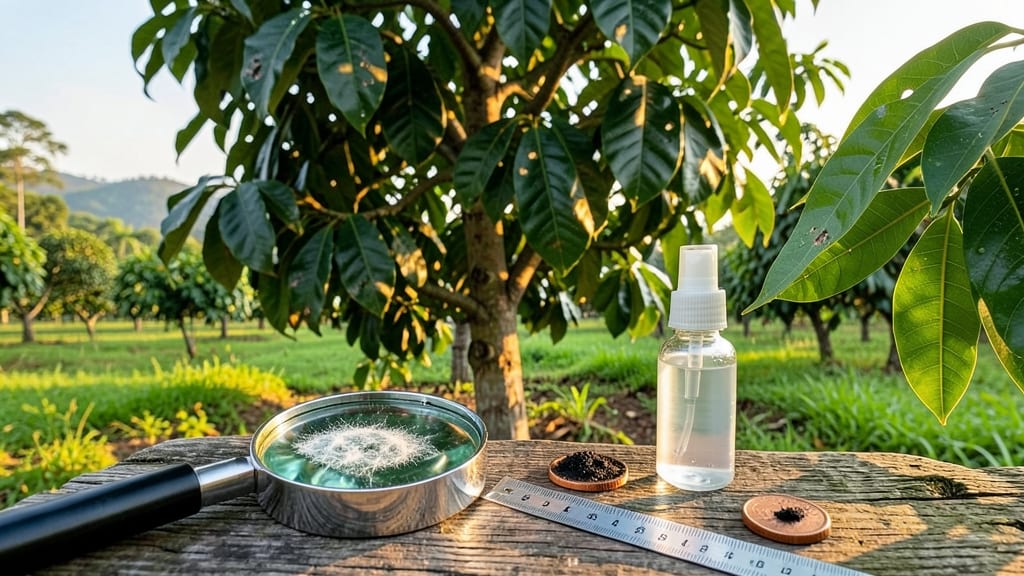
Mango tree fungus can turn your golden harvest into a sad, spotted mess if you don’t act fast. 🌿 I’ve watched anthracnose and powdery mildew creep across my trees, and the key to stopping them is catching the signs early—before the leaves turn to mush and fruit rots on the branch.
The worst part? Fungal spores lurk everywhere—on old leaves, in damp soil, even in the air. But here’s the good news: pruning infected branches, cleaning up debris, and improving airflow can cut the risk by 80%.
My trees stay healthier now that I treat them like a doctor’s visit—not a last resort. You’ll learn to spot the difference between harmless spots and full-blown blight, plus how to treat it with simple, organic sprays that actually work.
No more guessing if your mangoes are doomed—just clear, actionable steps to save your tree. Works for backyard orchards, patio pots, or even that one mango tree in your yard. Let’s get those branches back in fighting shape!
Root Causes Of Tree Fungus
Fungal infections in mango trees don’t just appear out of nowhere—they thrive due to a mix of environmental stress, poor tree health, and human (or animal) activity. Understanding these root causes is the first step to prevention.
Below, we break down the most common reasons why fungal pathogens take hold in your mango grove, along with the science behind them.
Fungi love water—literally. Many pathogenic fungi, like Anthracnose (Colletotrichum gloeosporoides) or Powdery Mildew (Oidium spp.), require high humidity (80%+) and prolonged leaf wetness to germinate and infect. Here’s why this happens:
- Overwatering or Flooding: Mango trees prefer well-drained soil.
If the roots sit in soggy conditions, they weaken, making the tree more susceptible to fungal entry points (like wounds or natural openings). - Poor Air Circulation: Dense foliage or crowded trees trap moisture, creating a microclimate perfect for fungal spores to land and grow.
Ever noticed white, powdery patches on leaves after heavy rain? That’s Powdery Mildew thriving in stagnant air. - Rainy Seasons: Monsoons or excessive irrigation without breaks can lead to leaf spots, stem cankers, and root rot. Fungi like Phytophthora exploit waterlogged soil to invade roots.
Actionable Fix: Space trees 15–20 feet apart, prune for airflow, and water early in the day to allow foliage to dry.
A healthy mango tree has natural physical barriers (waxy cuticle, bark) and chemical defenses (antifungal compounds) to fight off pathogens. When these weaken, fungi move in like uninvited guests at a buffet.
- Nutrient Deficiencies: Lack of potassium (K) or zinc (Zn) stresses trees, thinning cell walls and reducing resistance. Fungi like Fusarium exploit these gaps. - Physical Damage: Pruning cuts, insect bites (e.g., fruit borers), or hail wounds create entry points for spores.
Even a small crack can let Botryosphaeria (a common canker fungus) sneak in. - Stress from Pests: Mealybugs, aphids, or scale insects damage leaves and bark, leaving sticky honeydew that promotes sooty mold—a fungal hitchhiker.
Actionable Fix: Test soil for deficiencies, use copper-based fungicides as a preventive spray, and sterilize pruning tools with 70% alcohol to avoid spreading spores.
Fungi are temperature-sensitive. Most mango tree fungi prefer:
- 60–85°F (15–30°C) for germination.
- High humidity (70%+) for spore dispersal.
- Warm, Damp Climates: Tropical regions (like Florida or Southeast Asia) see year-round fungal activity because conditions rarely drop below the fungal "sweet spot." - Sudden Temperature Shifts: Cold snaps followed by heat can shock the tree, lowering its immunity.
Fungi like Alternaria capitalize on this stress. - Nighttime Dew: Overnight moisture on leaves gives spores 24+ hours to infect before the sun dries them out.
Actionable Fix: Use fungicide sprays (e.g., neem oil or sulfur-based) during dawn/dusk when humidity peaks, and mulch with straw to regulate soil temp.
Fungal spores are tiny but mighty.
They hitchhike on: - Dirty Pruners or Grafting Tools: A single cut with an infected blade can transfer Botryosphaeria or Phomopsis to healthy trees. - Infested Mulch or Compost: Old leaves, wood chips, or manure with dormant spores can reactivate when conditions are right. - Reused Potting Mix: If you’ve repotted mango saplings, sterilize soil (bake at 200°F for 30 mins) to kill hidden pathogens.
Actionable Fix: Disinfect tools with bleach (1 part bleach:9 parts water), and replace mulch annually or solarize it (cover with clear plastic for 4–6 weeks).
Some fungi need a helper to spread.
Insects and animals play a surprising role: - Fruit-Flying Insects: Mango seed weevils or fruit flies carry spores from infected to healthy fruit. - Birds & Rodents: They peck at infected fruit, spreading spore-laden droppings to new branches. - Ants: Some species farm fungi (like leaf-cutting ants), indirectly weakening trees by pruning foliage.
Actionable Fix: Use insect traps, bird netting, and pesticide-free alternatives (e.g., kaolin clay) to deter pests without harming beneficial insects.
Planting only mango trees in a row creates a fungal buffet.
Why? - No Natural Predators: Fungi thrive without competing plants or predators (like ladybugs or nematodes) to keep them in check. - Uniform Susceptibility: All trees are the same species/variety, so one outbreak can wipe out an entire orchard.
Actionable Fix: Interplant with fungal-resistant crops (e.g., citrus, guava) or cover crops (clover) to disrupt fungal cycles.
Key Takeaway: Fungal infections in mango trees are rarely random—they’re the result of environmental conditions + tree vulnerability. By addressing moisture, stress, tools, and biodiversity, you can starve out fungi before they take hold. 🚫🍄
How to Treat and Prevent Tree Fungus
Fungal infections can turn a thriving mango tree into a struggling one, but the good news is that early action can save your harvest. Below, we’ve mapped out practical, step-by-step solutions for the most common fungal issues—from anthracnose to powdery mildew—along with preventive tips to keep your tree healthy long-term.
Anthracnose thrives in wet, humid conditions, causing dark, sunken lesions on leaves, stems, and fruit. Act fast to prevent defoliation and fruit rot.
🔥 Step 1: Prune Infected Areas
- 🔪 Remove all infected leaves, branches, and fruit (even if just a few spots appear).
- 🗑️ Dispose of them in a sealed trash bag—do not compost—to prevent spores from spreading.
- ✂️ Sterilize pruning tools with 70% rubbing alcohol or a 10% bleach solution (1 part bleach to 9 parts water) between cuts.
🍳 Step 2: Apply Fungicide
- 💡 Best options: Copper-based fungicides (like Bordeaux mixture or copper hydroxide) or neem oil (a natural antifungal).
- 👨🍳 How to apply:
- Spray early morning or late evening (when humidity is high but no direct sun).
- Cover both sides of leaves, stems, and fruit thoroughly.
- Reapply every 7–14 days during rainy seasons or after heavy pruning.
🌡️ Step 3: Improve Airflow & Drainage - 🌬️ Thin out dense foliage to allow sunlight and air to circulate. - 💧 Ensure proper drainage—fungi love soggy soil.
If your tree is in a pot, use a well-draining mix with perlite or sand. - 🌧️ Avoid overhead watering—use drip irrigation or water at the base.
🎯 Prevention Tips
- 💡 Plant resistant varieties like ‘Keitt’ or ‘Kent’ if anthracnose is common in your area.
- 🍃 Mulch with straw or wood chips (not leaves) to reduce soil splashing onto leaves.
- 🌱 Monitor young leaves—they’re most vulnerable.
Apply a preventive fungicide spray before the rainy season.
This fungal disease appears as white, powdery patches on leaves, weakening the tree’s ability to photosynthesize. Early intervention is key!
🔥 Step 1: Clean Up the Tree
- 🧹 Wipe off mildew with a soft cloth dampened in soapy water (mild dish soap + water).
- 🍃 Remove heavily infected leaves (but not the whole branch unless necessary).
🍳 Step 2: Use Natural or Chemical Fungicides
- 🌿 Natural options:
- Baking soda spray (1 tbsp baking soda + 1 tsp dish soap + 1 gallon water).
- Neem oil (1% solution) or potassium bicarbonate.
- 💊 Chemical options:
- Sulfur-based fungicides (like Liqui-Cop) or systemic fungicides (e.g., myclobutanil).
- 👨🍳 Apply every 7–10 days until the issue clears.
🌡️ Step 3: Adjust Growing Conditions
- 🌿 Improve airflow by pruning nearby branches or thinning the canopy.
- 💧 Water deeply but less frequently—powdery mildew loves high humidity + low light.
- ☀️ Ensure 6–8 hours of sunlight daily—fungi thrive in shady, damp spots.
🎯 Prevention Tips
- 💡 Space trees properly (15–20 ft apart) to reduce humidity buildup.
- 🌱 Avoid nitrogen-heavy fertilizers—they encourage soft, mildew-prone growth.
- 🍃 Apply a preventive spray (like neem oil) before the fungal season starts.
Root rot (often caused by Phytophthora or Fusarium) turns healthy roots mushy and brown, cutting off water and nutrient flow. Act fast—this is an emergency!
🔥 Step 1: Assess the Damage
- 🌱 Gently dig around the base (be careful not to harm roots further).
- 🔍 Look for:
- Dark, soft, foul-smelling roots (healthy roots are firm and white/tan).
- Mushrooms or mold at the soil line.
🍳 Step 2: Treat the Soil & Roots
- 💧 Stop watering immediately—let the soil dry out completely.
- 🌿 Apply a fungicide like copper fungicide or Trichoderma harzianum (a beneficial fungus).
- 💡 For severe cases:
- 🔪 Prune back affected roots (sterilize tools!).
- 🌱 Repot or transplant if the soil is waterlogged (use sand or perlite for drainage).
⏰ Step 3: Adjust Watering & Soil
- 💧 Water only when the top 2 inches of soil are dry—never let the tree sit in soggy soil.
- 🌱 Amend the soil with:
- Compost (for nutrients).
- Perlite or vermiculite (for aeration).
- Biochar (helps prevent fungal overgrowth).
- 🌧️ Improve drainage—raise the tree on a mound of soil or plant in a container with drainage holes.
🎯 Prevention Tips
- 💡 Choose well-draining soil—mango trees hate clay-heavy or compacted soil.
- 🌱 Plant in raised beds if your area has poor drainage.
- 🍃 Avoid overwatering—stick to deep, infrequent watering (1–2 times per week in dry climates).
No matter the fungus, these universal tips will keep your mango tree strong:
| Do This ✅ | Avoid This ❌ |
|---|---|
| 🌿 Prune regularly to improve airflow | 🍃 Overcrowding trees too closely |
| 💧 Water at the base (not overhead) | 🌧️ Watering late at night (encourages humidity) |
| 🍃 Mulch with straw or wood chips (not leaves) | 🍂 Leaving fallen leaves near the tree |
| 🌱 Use drip irrigation for consistent moisture | 💦 Letting soil stay waterlogged |
| 💡 Apply neem oil or copper spray preventively | 🍄 Ignoring early signs (spots, discoloration) |
| 🌱 Rotate fungicides to prevent resistance | 🔄 Using the same fungicide repeatedly |
Final Tip: 💡 Monitor your tree weekly—catching fungus early means less work and more fruit! If the problem persists, consult a local arborist for a soil test or advanced treatment options.
Frequently asked questions about mango tree fungal issues
What are the first signs my mango tree has fungus?
Look for dark spots on leaves (anthracnose), white powdery patches (mildew), or mushy brown roots (root rot). Early symptoms include yellowing leaves, stunted growth, or premature fruit drop. Check both sides of leaves and the soil base—these are common fungus hotspots.
Can I save my mango tree if it already has severe fungus?
Yes, but act fast! Prune infected areas immediately, apply copper fungicide or neem oil, and improve airflow by thinning branches. For root rot, stop watering and amend soil with perlite. Severe cases may require repotting or professional help, but many trees recover with aggressive treatment.
How often should I spray fungicide on my mango tree?
Apply fungicide every 7-14 days during rainy seasons or when humidity is high. For prevention, spray monthly before fungal seasons. Use neem oil or copper-based solutions early in the morning or evening when spores are most active but leaves are dry.
Is it safe to compost leaves from my infected mango tree?
No! Fungal spores survive composting and can reinfect your tree. Always dispose of infected leaves in sealed trash bags. If you must compost, use only sterilized materials (like untreated wood chips) and maintain high temperatures (140°F+) to kill pathogens.
What's the best natural fungicide for mango trees?
Neem oil is the top choice—mix 1% neem oil with water and a drop of dish soap as a spreader. Other effective options include baking soda spray (1 tbsp baking soda + 1 tsp soap per gallon) or potassium bicarbonate. Apply in the evening when humidity is high but no rain is forecasted.