
Leaf Blower
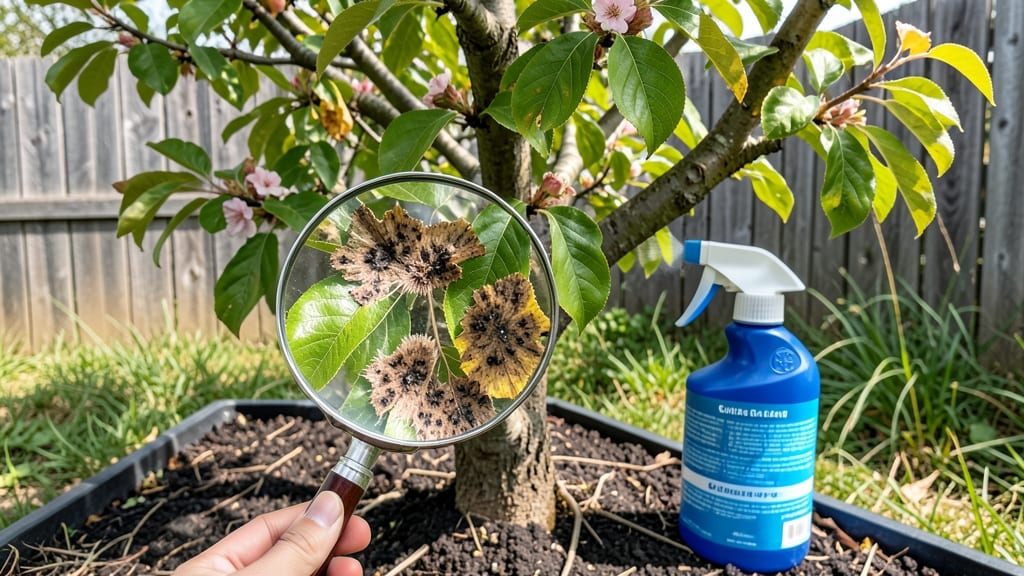
Your peach tree’s leaf spots are a fungal SOS—don’t panic, there’s a fix. 🌿 The moment you spot those dark, greasy blotches or yellow rings on leaves, you’re dealing with brown rot, bacterial spot, or another fungal troublemaker.
The good news? Organic sprays can turn things around before the spots spread to fruit.
I’ve battled this myself—last summer’s outbreak nearly ruined my harvest. The key is acting fast: prune infected branches before spores spread, clean up fallen leaves, and water at the base (never overhead).
A homemade spray of baking soda, neem oil, or copper fungicide (applied every 7-10 days) stops the fungus in its tracks.
By the time your tree blooms next spring, you’ll see fresh, spot-free leaves and a full crop of juicy peaches. The secret is consistency—spray preventatively in wet seasons, and keep your tree’s canopy open for airflow. No more sad, spotted leaves ruining your harvest.
If spots keep coming back year after year, it might be time to call in a local arborist. But for most home gardeners, this organic approach works—just stay vigilant. Your tree’s health (and your peach cobbler) will thank you.
Why it happens
Peach tree leaf spots aren’t just a cosmetic nuisance—they’re often a sign that invisible fungal pathogens, bacteria, or environmental stressors are attacking your tree. Understanding the root causes helps you target treatments effectively.
Below, we break down the most common triggers for those unsightly brown, black, or yellow blemishes on your peach tree leaves.
🍄 Fungal Infections: The Silent Invaders
Fungi are the #1 cause of leaf spots on peach trees, thriving in warm, humid conditions. Three key fungal culprits stand out:
- Cercospora Leaf Spot (Cercospora carpophila):
- This fungus creates small, circular spots with dark borders and lighter centers, often appearing in late spring or summer.
- It spreads via windborne spores and thrives in wet foliage (think morning dew or overhead watering).
- 💡 Pro Tip: Prune infected branches before spores spread in spring—sterilize tools with 70% isopropyl alcohol to prevent cross-contamination.
- Brown Rot (Monilinia fructicola):
- While famous for rotting fruit, this fungus also causes dark, irregular leaf spots with a tan or gray center.
- It overwinters in mummified fruit on the ground, then releases spores when temperatures rise above 60°F (15°C).
- 🌡️ Watch for: Spots that develop ragged edges and may drop prematurely—this fungus weakens the tree’s defenses.
- Alternaria Leaf Spot (Alternaria spp.):
- Characterized by concentric rings (like a bullseye) or dark, velvety spots, this fungus loves high humidity and poor air circulation.
- It’s common in overcrowded orchards or trees with nutrient deficiencies (especially potassium or nitrogen).
- ✨ Prevent it: Space trees 12–15 feet apart and avoid wetting leaves when irrigating (use drip systems instead).
🌡️ Environmental Stressors: When Nature Turns Against You
Not all leaf spots are fungal. Environmental factors can weaken your tree’s immunity, making it vulnerable to infections—or even causing spots directly:
Factor
How It Causes Spots
Actionable Fix
❄️ Late Spring Frosts
Cold snaps (below 28°F/-2°C) damage cells, creating water-soaked spots that turn brown.
Use frost cloths or row covers for young trees. Avoid planting in frost pockets.
💧 Overwatering or Poor Drainage
Soggy soil leads to root rot, which starves leaves of nutrients, causing yellowing (chlorosis) and necrotic spots.
Test soil drainage—amend with compost or sand. Water deeply but infrequently (1–1.5 inches per week).
☀️ Sun Scorch
Intense afternoon sun (especially after winter) burns edges, creating crispy, brown spots.
Provide afternoon shade with a lightweight shade cloth (30–50% block). Mulch to retain moisture.
🌀 Wind or Hail Damage
Physical trauma creates irregular, torn spots that invite fungal infections.
Prune to open the canopy for better airflow. Use tree wraps to protect young bark.
🦠 Bacterial Leaf Spot: The Underestimated Threat
Less common but highly destructive, bacterial leaf spots (like Xanthomonas or Pseudomonas) create:
- Greasy, water-soaked spots that turn tan or brown with yellow halos.
- Oozing bacterial slime on undersides of leaves (visible when spots are young).
- 🔥 Red Flag: If spots appear overnight or after rain, bacteria are likely the culprit.
Bacteria spread via splashing water or contaminated tools. Remove infected leaves immediately and disinfect pruners with bleach solution (1 part bleach to 9 parts water).
🌱 Nutrient Deficiencies: Weakening the Tree’s Shield
A peach tree can’t fight infections if it’s malnourished. Leaf spots often flare up when:
- Magnesium (Mg) deficiency: Causes interveinal chlorosis (yellowing between veins) and necrotic spots.
- Zinc (Zn) deficiency: Leads to small, brown spots on younger leaves (common in alkaline soils).
- Nitrogen (N) imbalance: Too little = pale leaves; too much = soft, susceptible tissue that fungi love.
📊 Test your soil (pH should be 6.0–7.0 for peach trees). Apply Epsom salt (magnesium sulfate) for Mg deficiencies or a balanced organic fertilizer (10-10-10) in early spring.
Quick Fixes For Fungal Leaf Spots
Fungal leaf spots on your peach tree can feel like a losing battle, but with the right approach, you can restore your tree’s health—naturally and effectively. Below, we map common causes to targeted solutions, from immediate fixes to long-term prevention.
Think of this as your step-by-step guide to kicking fungal spots to the curb.
First, confirm the culprit before treating. Most leaf spots are caused by fungi like Cercospora, Cladosporium, or Alternaria.
Look for: - Dark, irregular spots with yellow halos (common with Cercospora). - Grayish centers that spread rapidly (likely Cladosporium). - Black or purple spots with a velvety texture (Alternaria).
Once identified, tackle the problem with these organic, spray-based solutions:
1️⃣ Copper Fungicide Spray (Best for Early-Stage Spots)
🔥 Why it works: Copper disrupts fungal cell membranes, stopping spores in their tracks. It’s non-toxic to bees once dry and safe for organic gardening.
👨🍳 How to apply:
- Mix 1 tbsp copper sulfate (or copper fungicide) per gallon of water.
- Spray thoroughly on both sides of leaves, stems, and fruit (avoid spraying in direct sunlight to prevent leaf burn).
- Reapply every 7–10 days during wet or humid conditions.
- Best time: Early morning or late afternoon for even coverage.
💡 Pro tip: Add a 1 tsp of baking soda to the mix for extra antifungal power (test on a small leaf first to check for sensitivity).
2️⃣ Neem Oil Spray (Prevents & Stops Spread)
🍳 Why it works: Neem oil contains triterpenoids, which smother fungal spores and disrupt their life cycle. It’s also a natural growth regulator for the tree.
👨🍳 How to apply:
- Mix 1 tbsp neem oil + 1 tsp mild soap (as an emulsifier) per quart of water.
- Spray all foliage, including the undersides of leaves (where spores hide).
- Reapply every 5–7 days until new growth appears spot-free.
- Best time: Early morning for maximum absorption.
🌡️ Pro tip: Warm the solution slightly (not boiling) to improve effectiveness. Store in a cool, dark place between uses.
3️⃣ Baking Soda Solution (Budget-Friendly & Gentle)
🥘 Why it works: Baking soda raises the pH of leaf surfaces, making it inhospitable for fungal spores. It’s safe, cheap, and works well for mild infections.
👨🍳 How to apply:
- Mix 1 tbsp baking soda + 1 tbsp horticultural oil (or vegetable oil) + 1 tsp soap per gallon of water.
- Spray directly on spots (avoid oversaturating the soil).
- Reapply every 10–14 days or after heavy rain.
- Best time: Cloudy days to prevent leaf burn.
✨ Pro tip: Add a few drops of essential oil (like tea tree or eucalyptus) for extra antifungal properties.
4️⃣ Prune & Remove Infected Leaves (Stop the Cycle)
🔪 Why it works: Fungal spores spread via water, wind, and infected plant debris. Removing affected leaves breaks the infection chain.
👨🍳 How to do it:
- Snip off spots with clean pruners (sterilize with rubbing alcohol between cuts).
- Bag and discard infected leaves in the trash (not compost).
- Thin out dense foliage to improve air circulation (fungi love humidity).
- Clean up fallen leaves regularly—especially after rain.
⏰ Best time: Do this early in the morning when leaves are dry to avoid spreading spores.
Once your tree is healthy, keep it that way with these low-effort habits:
| Prevention Step | How to Do It | Why It Works |
|---|---|---|
| Water at the base | Use drip irrigation or water early in the day (before 10 AM). | Prevents leaf wetness, which fungi thrive on. |
| Mulch properly | Apply 2–3 inches of organic mulch (straw or wood chips) around the base. | Keeps soil moist but reduces splashing that spreads spores. |
| Space trees correctly | Ensure 6–10 feet between peach trees for airflow. | Reduces humidity buildup in the canopy. |
| Fertilize wisely | Use balanced fertilizer (10-10-10) in early spring—avoid excess nitrogen. | Weak, nitrogen-heavy trees are more susceptible to fungal attacks. |
| Monitor regularly | Check leaves weekly for early signs of spots. | Catches problems before they spread. |
If your peach tree shows:
- Severe defoliation (more than 30% of leaves affected).
- Fruit rot or cankers on the trunk.
- No improvement after 3–4 weeks of treatment.
A local arborist can diagnose less common fungi (like Peach Leaf Curl) or recommend systemic fungicides if needed.
Remember: Consistency is key! Fungal leaf spots won’t disappear overnight, but with regular sprays, pruning, and prevention, your peach tree will bounce back stronger than ever. 🌿💪
Frequently asked questions
What do peach tree leaf spots look like?
Leaf spots on peach trees vary by cause. Fungal spots often appear as dark brown or black circular marks with yellow borders, while bacterial spots may look greasy and water-soaked with yellow halos. Environmental spots (like sun scorch) usually show as crispy, dry edges on leaves. Always check both leaf surfaces for hidden signs.
Can I save my peach tree if it already has leaf spots?
Yes! Act fast with organic sprays like copper fungicide or neem oil, and remove infected leaves immediately. For severe cases, prune to improve airflow and apply baking soda spray every 10 days. Most trees recover with consistent care, but if over 30% of leaves are affected, consult an arborist for systemic treatments.
Why do leaf spots keep coming back every year?
Recurring spots usually mean spores overwinter in fallen leaves or mummified fruit on the ground. Clean up debris thoroughly each fall, and apply preventative sprays (like copper or neem oil) in early spring before buds open. Poor air circulation from dense foliage also encourages reinfection—thin branches to improve airflow.
Is it safe to eat peaches from a tree with leaf spots?
Only if the spots are environmental (like sun scorch) and haven’t spread to fruit. Fungal/bacterial spots can contaminate peaches—discard any fruit with dark spots, mold, or soft rot. When in doubt, wash all peaches thoroughly with vinegar solution (1:3 ratio with water) before eating, even if leaves look healthy.
How do I know if my peach tree has a fungal or bacterial infection?
Fungal spots often have ragged edges and powdery centers, while bacterial spots appear greasy with yellow halos and may ooze slime. Check for spore patterns under a magnifying glass: fungal spores look like fuzzy growth, while bacteria leave water-soaked marks. Test with a sterilized blade—if sap oozes, it’s likely bacterial.