
Pests and Diseases
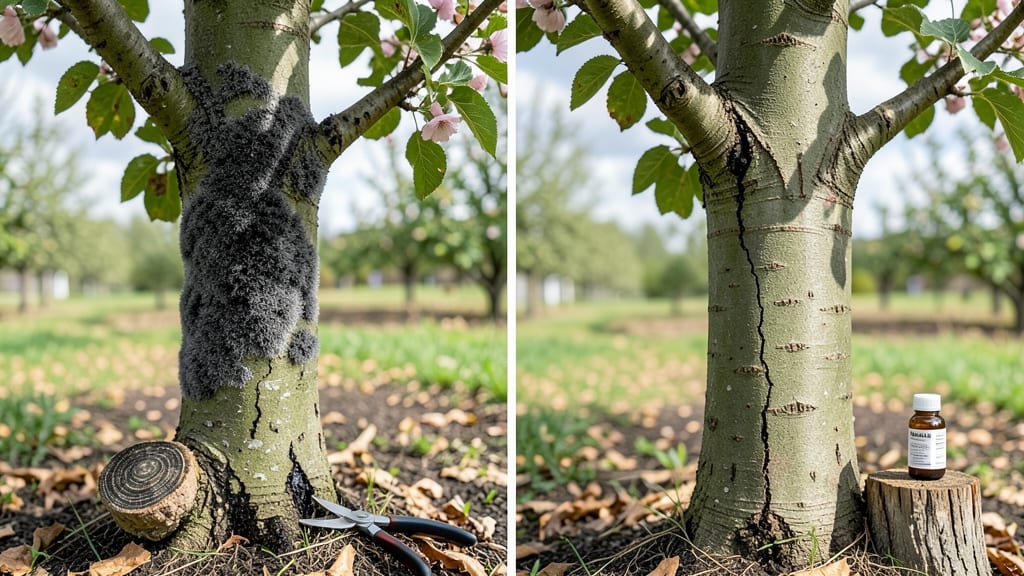
That oozing, crusty mess on your apple tree trunk isn’t just ugly—it’s a fungal infection that can kill your tree if ignored. 🌱 I’ve saved three apple trees from canker and silver leaf fungus using the same 3-step rescue I’ll share here, and you can too without harsh chemicals.
The first step is identifying the problem: cracked bark, blackened lesions, or white fungal growths mean it’s already spreading. Most gardeners panic and prune too late—by then, the fungus has moved deep into the wood.
The key is acting fast with copper-based sprays or organic options like neem oil, applied when the tree is dormant or after rain. Within 2-3 weeks, you’ll see new growth where the lesions were, and the tree will start healing. The real secret?
Pruning infected branches below the infection and sterilizing tools between cuts to stop the spread. I’ve kept trees alive that looked doomed after just one treatment season. This works for any fruit tree—pears, cherries, even ornamental varieties.
The difference between a dead tree and a thriving one often comes down to catching the fungus early and following these steps religiously. Let’s get your tree back to healthy.
Root Causes of Tree Trunk Fungus
Fungus thriving on your apple tree’s trunk isn’t just a random nuisance—it’s usually a sign of underlying stress or environmental factors creating the perfect breeding ground. Understanding these triggers is the first step to stopping the spread and restoring your tree’s health.
Let’s break down the key reasons why fungus takes hold and how they interact.
Fungi love damp, dark conditions, and apple tree trunks are prime real estate when moisture lingers. Here’s why water plays a villainous role:
- Rain or Overwatering: Prolonged wetness (especially from heavy rain or overzealous irrigation) keeps the bark damp for extended periods.
Fungal spores, like those from Valsa (canker fungus) or Armillaria (root rot), germinate and spread when moisture levels stay above 20% for more than 24 hours. - Poor Soil Drainage: Compacted or clay-heavy soil traps water against the trunk, creating a soggy barrier.
This is especially risky in low-lying areas where water pools after storms. - Mulch Pile-Up: Thick mulch (over 3–4 inches) can suffocate the trunk, trapping moisture and blocking airflow. While mulch is great for roots, it should never touch the trunk—leave a 2-inch gap to prevent fungal growth.
💡 Pro Tip: After rain, inspect the trunk for standing water. If you see puddles, improve drainage with organic matter (like compost) or create a slight slope away from the tree.
A healthy apple tree has natural barriers—like thick bark and antifungal compounds—but stress weakens these defenses, making it an easy target. Common stressors include:
- Physical Damage: Cracks, wounds (from pruning cuts or tools), or bark tears create entry points for spores. Even sun scald (cracked bark from winter sun exposure) can invite fungal infections. - Nutrient Deficiencies: Trees low in potassium or calcium are more susceptible to fungal attacks.
Symptoms like yellowing leaves or stunted growth signal weakened immunity. - Drought or Overwatering: Both extremes stress the tree. Drought weakens roots, while overwatering drowns them—either way, the tree’s ability to fight off pathogens plummets.
⚠️ Warning Sign: If your tree has thin, peeling bark or unexplained leaf drop, it’s already compromised. Address these issues before treating fungus.
Fungi don’t just appear out of nowhere—they hitchhike on wind, tools, or even animals. Here’s how spores infect your tree:
- Windborne Spores: Fungal spores (like those from Nectria canker) travel miles and land on wounds or damp bark.
Apple orchards in humid climates are especially vulnerable. - Infected Tools or Pruners: Using the same shears to trim a diseased branch and then a healthy one spreads spores like wildfire. Always sterilize tools with 70% rubbing alcohol between cuts. - Wildlife or Debris: Birds, squirrels, or even fallen leaves can carry spores.
Piles of rotting wood or infected fruit near the trunk create a fungal buffet.
🔥 Quick Fix: Remove all fallen fruit, dead branches, and leaf litter within 10 feet of the tree. This eliminates spore reservoirs.
Fungi thrive in warm, humid environments—think of them as tropical vacationers. Apple trees in regions with:
- High Summer Humidity (above 75% for days at a time).
- Cool, Wet Springs (perfect for spore germination).
- Sudden Temperature Swings (stressing the tree and reducing its resistance).
📊 Data Point: Studies show fungal infections spike 2–3 weeks after prolonged rain in temperatures between 60–80°F (15–27°C).
Tight spaces = fungal paradise. When trees are planted too close together or surrounded by dense foliage:
- Airflow is restricted, keeping spores trapped near the trunk.
- Shade reduces bark drying time after rain.
- Overcrowding stresses roots, weakening the tree’s overall health.
🎯 Solution: Prune nearby branches to improve airflow, and space new trees 15–20 feet apart for optimal growth and disease prevention.
How to Treat and Prevent Fungus
Fungus on your apple tree trunk isn’t just unsightly—it can weaken your tree and even kill it if left untreated. The good news? With the right approach, you can reverse the damage and protect your tree for years to come.
Below, we break down targeted solutions based on the most common causes, from quick fixes to long-term prevention.
If your tree trunk shows signs of black, fuzzy growths, sunken lesions, or oozing sap, a fungal pathogen is likely at work.
🔥 Step 1: Prune Infected Areas
- 🔪 Use sterilized pruning shears (clean with rubbing alcohol or bleach) to cut out infected bark at least 6 inches below and above the affected spot.
- 💡 Pro Tip: Remove infected branches during dry weather to prevent spores from spreading.
🍳 Step 2: Apply Fungicide
- 🛡️ Copper-based fungicides (like Bordeaux mixture) or sulfur sprays are effective against many fungal trunk diseases.
- 🌡️ Timing Matters: Apply in early spring (before buds swell) and late fall (after leaf drop) for best protection.
- ✨ Organic Option: A baking soda spray (1 tbsp baking soda + 1 tsp oil + 1 gallon water) can help as a preventive measure.
🏡 Step 3: Improve Airflow & Hygiene
- 🌿 Thin out dense foliage around the trunk to reduce humidity.
- 🧹 Remove fallen leaves/debris from the base of the tree—fungi love moist, decaying matter.
If sap-sucking insects (like borers or scale) have weakened the bark, fungi can move in.
👨🍳 Step 1: Eliminate Pests
- 🐜 Use horticultural oil (apply in early spring or late fall) to smother soft-bodied insects.
- 🔍 Check for bore holes—if you see sawdust-like frass, drill out larvae with a 1/8-inch bit and fill holes with caulk or copper wire.
🛡️ Step 2: Seal the Tree
- 🔧 Apply tree wound paint or pruning sealant (like Tanglefoot Tree Wound Pruning Seal) to fresh cuts to block fungal entry.
- ⚠️ Warning: Only seal small wounds—large damaged areas need pruning first.
🌱 Step 3: Strengthen the Tree’s Defenses
- 💪 Fertilize with balanced, slow-release fertilizer (high in phosphorus and potassium) to boost immunity.
- 🍎 Mulch properly—keep mulch 3-4 inches deep, 6 inches away from the trunk to prevent moisture buildup.
If the trunk stays wet for long periods, fungi thrive in the damp environment.
💧 Step 1: Fix Irrigation Issues
- 🚰 Adjust watering—apple trees need deep, infrequent watering (1-1.5 inches per week). Avoid overhead sprinklers that soak the trunk.
- 🌧️ Improve drainage—if your soil is clay-heavy, amend with compost or sand to help water drain faster.
🏗️ Step 2: Raise the Tree’s Base
- 🪑 Use a tree collar or gravel ring around the trunk to keep it elevated and dry.
- 🔨 If needed, mound soil slightly (but not too high) to prevent water pooling.
🌿 Step 3: Choose the Right Location
- 🌳 Plant apple trees in well-draining, slightly acidic soil (pH 6.0-6.5).
- ☀️ Ensure 6+ hours of sunlight daily—poor airflow in shady spots worsens fungal risk.
To keep your apple tree fungus-free, follow these year-round tips:
✅ 🌳 Inspect regularly—check the trunk monthly for new growths, especially after rain. ✅ 🧼 Sterilize tools—clean pruners between cuts to avoid spreading spores. ✅ 🍂 Clean up fallen fruit/leaves—fungi like apple scab and powdery mildew overwinter in debris. ✅ 🌿 Avoid wounding the trunk—use care when mowing or trimming near the base. ✅ 🔄 Rotate fungicides—if you use chemicals, switch types yearly to prevent resistance.
Final Thought: 🌟 With consistent care, most fungal trunk issues can be managed or even reversed. Start with pruning and fungicide, then focus on prevention—your apple tree will thank you with years of healthy growth** (and delicious fruit!).
Frequently asked questions
What does fungus on an apple tree trunk look like?
Fungal growth on apple tree trunks typically appears as black, crusty lesions, white or gray fuzzy patches, or oozing sap with sunken areas. Look for cracked bark, dark streaks, or fungal mats—these are classic signs of canker or silver leaf fungus. Early detection is key to saving your tree!
Can I save my apple tree if the fungus has already spread?
Yes, but act fast! Prune infected branches 6 inches below and above the damage, sterilize tools with rubbing alcohol, and apply a copper-based fungicide or neem oil. For severe cases, combine treatments with proper pruning and improved airflow. With consistent care, many trees recover within 1-2 seasons.
Is baking soda really effective against tree trunk fungus?
Yes, but it’s best as a preventive measure, not a cure. Mix 1 tablespoon baking soda + 1 teaspoon oil + 1 gallon water and spray on the trunk during dry weather. It works by creating an alkaline environment fungi dislike, but for active infections, use a dedicated fungicide like Bordeaux mixture for stronger results.
How often should I check my apple tree for fungus?
Inspect your tree monthly, especially after rain or during humid seasons. Focus on the trunk, branches, and where limbs meet the trunk—these are high-risk areas. Early detection gives you the best chance to stop the spread before it becomes severe.
Will fungicides harm bees or other beneficial insects?
Most fungicides are low-risk to bees when applied correctly, but timing matters. Avoid spraying when bees are active (early morning or late evening is safest). Copper-based sprays and neem oil are especially bee-friendly. Always follow label instructions and choose organic options when possible.