
Diseases
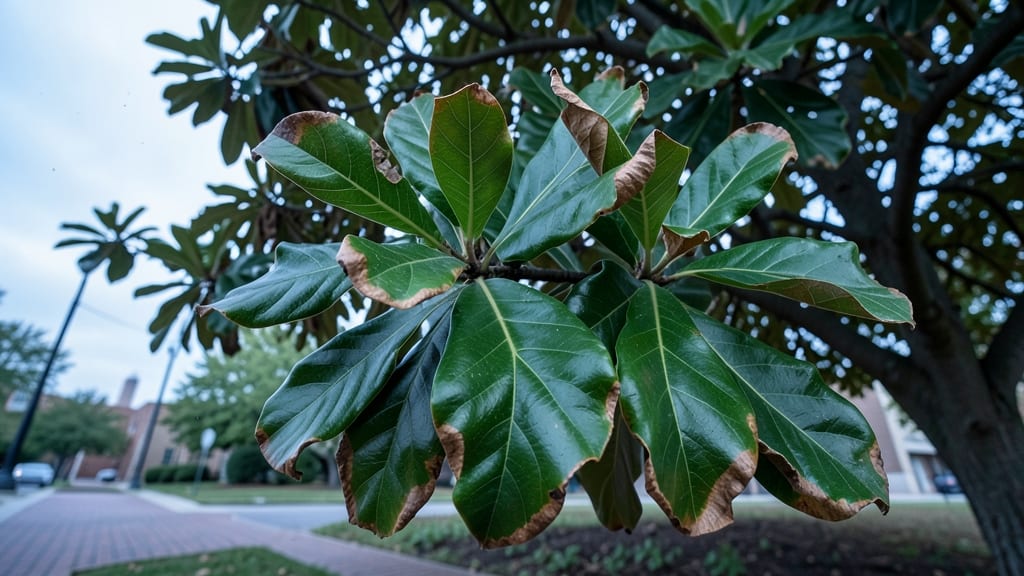
Tennessee’s diverse forests hide subtle clues about tree health in their leaves. Learn to identify 10 common leaf diseases and disorders affecting native trees, from fungal infections to environmental damage, with this visual guide to protect your landscape.
Black Walnut Leaf Scorch Symptoms
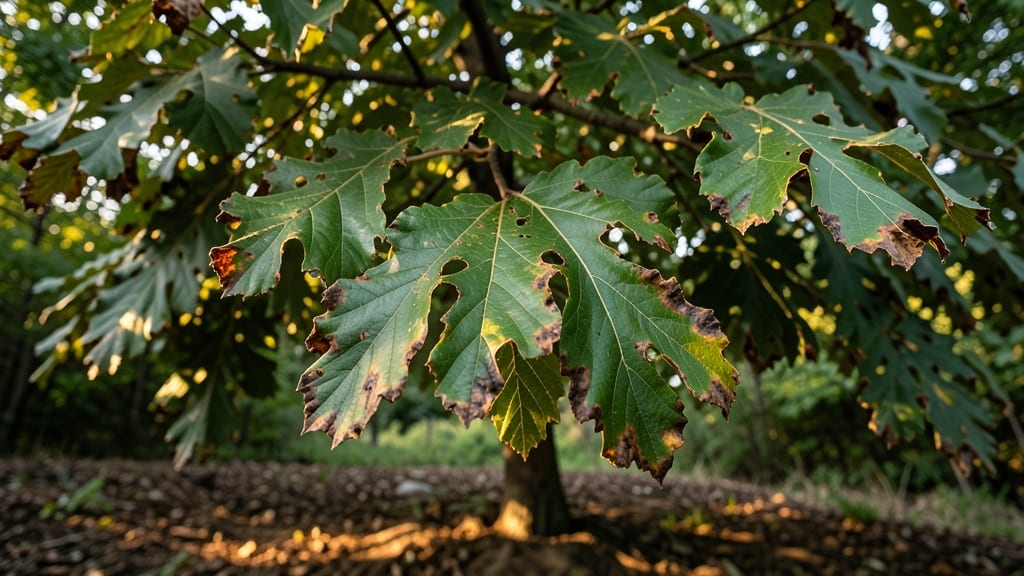
If your black walnut tree’s leaves are developing jagged, dark brown edges while the center stays green, you’re likely dealing with leaf scorch—a bacterial disease that spreads quickly in Tennessee’s humid summers. This condition isn’t just unsightly; it can weaken the tree and infect nearby plants if left unchecked.
The key symptom to watch for is the distinct brown margin that appears suddenly, often on younger leaves first. Unlike environmental stress, which affects leaves uniformly, leaf scorch creates a sharp contrast between healthy and damaged tissue. Prune infected branches in late winter or early spring to remove bacteria-laden foliage before new growth begins.
Homeowners with black walnut trees in their yards or woodlots should monitor for this disease annually, especially after wet springs. Early removal of infected leaves can save your tree—and your neighbors’—from further damage. 🌿
Oak Anthracnose Leaf Spots
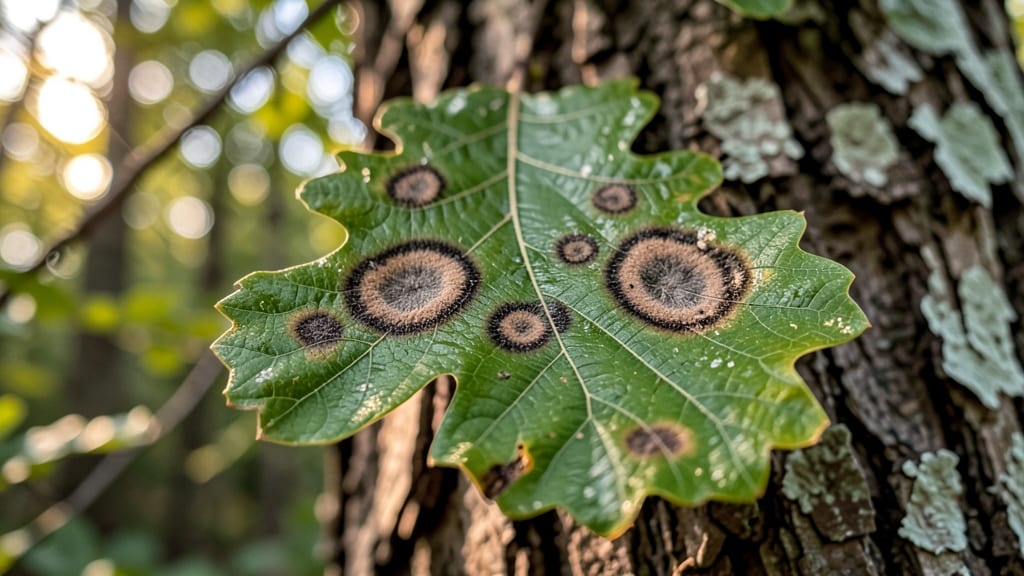
If your oak trees sport leaves with dark, ringed spots that look almost like tiny bullseyes, you’re likely dealing with oak anthracnose—a fungal disease common in Tennessee’s humid climate. Unlike harmless nutrient deficiencies, these spots often appear in concentric circles with tan or gray centers, giving them a distinct "target-like" pattern.
This disease thrives during spring rains and wet conditions, attacking young leaves first. While it rarely kills mature trees, severe cases can cause premature leaf drop, weakening oaks over time. Prune infected leaves in early summer to improve airflow, and avoid overhead watering to reduce fungal spread.
For Tennessee gardeners, recognizing this pattern early helps you distinguish it from nutrient issues—like yellowing from iron deficiency—which lack the signature rings. Catching it early means healthier oaks and fewer surprises next season. 🌿
Dogwood Leaf Spot Fungus
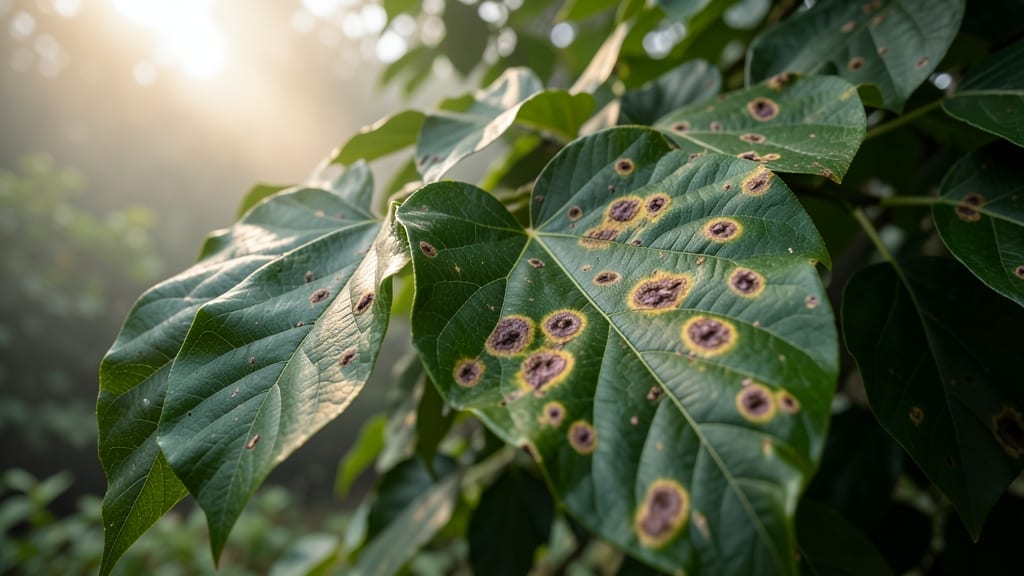
If your ornamental dogwoods in Tennessee are developing unsightly purple-brown spots on their leaves, you’re likely dealing with dogwood leaf spot fungus—a common but manageable issue for gardeners preserving these state tree icons.
This fungal disease thrives in warm, wet conditions and appears as irregular, purple-brown patches with yellow halos. Remove and destroy infected leaves promptly to prevent spread, and improve air circulation by thinning dense foliage. Fungicides containing copper or chlorothalonil can help, especially during spring and fall when spores are most active.
Dogwoods are prized for their stunning spring blooms, so early action keeps your trees thriving and your landscape vibrant. 🌟
Pine Needle Cast Disease
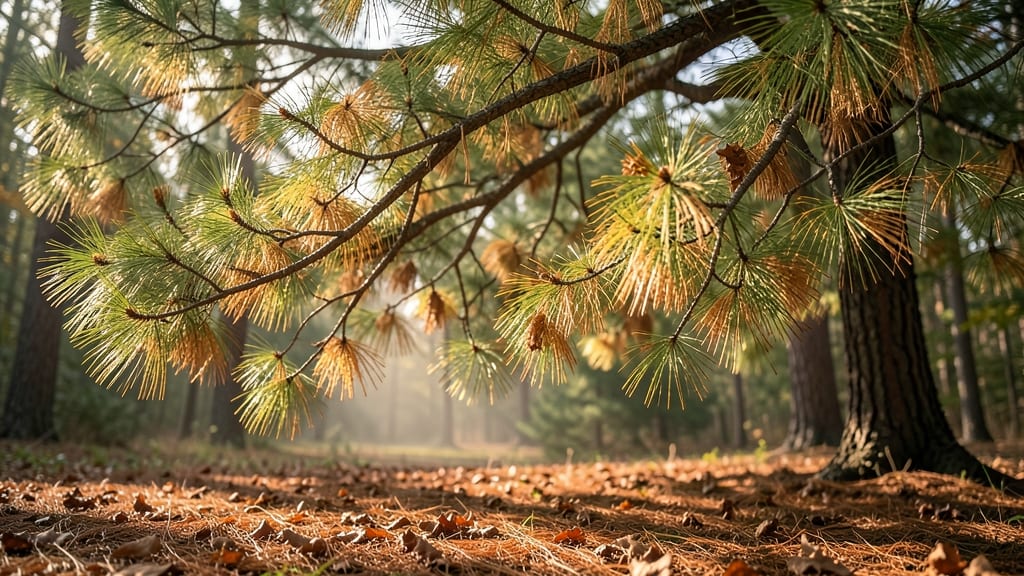
If your pine trees in Tennessee are losing needles faster than expected, pine needle cast disease might be the culprit. This fungal infection thrives in the region’s warm, humid summers, causing yellowing needles that eventually shed in brown, papery casts—often mistaken for natural shedding.
Look for needles turning yellow at the tips before falling off in clusters, leaving behind a brown, web-like residue on branches. Unlike normal needle drop, this disease spreads quickly in shaded or densely planted areas. Prune infected branches in late winter or early spring and avoid overhead watering to reduce fungal spores.
Homeowners with pine landscapes or forest managers should monitor trees in spring and fall when conditions are most favorable for outbreaks. Catching it early prevents defoliation and keeps your evergreens thriving. 🌿
Maple Tar Spot Fungus
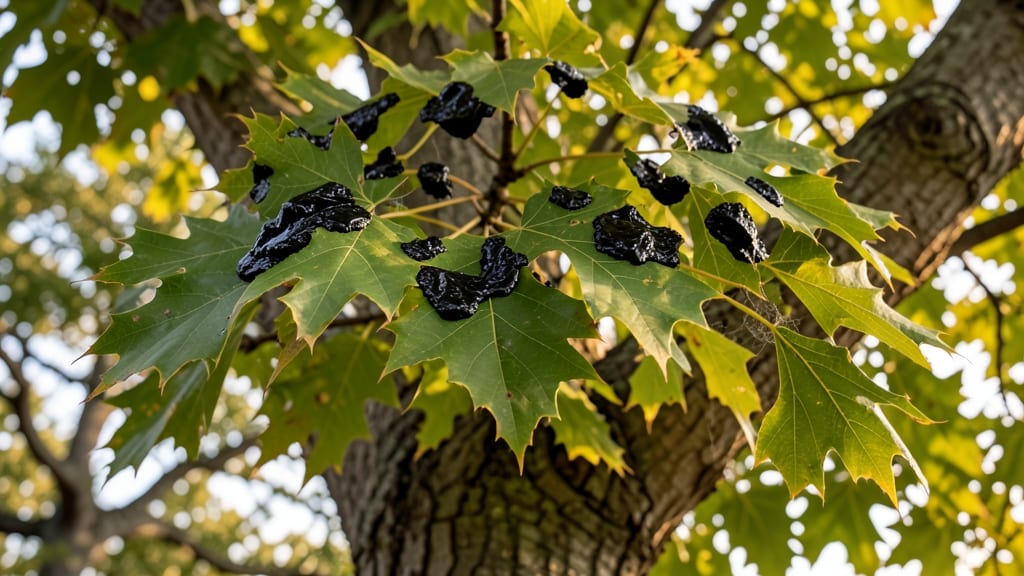
If your maple trees suddenly develop glossy, black spots that look like spilled tar, you’re likely dealing with tar spot fungus—a common but unsightly issue in Tennessee’s humid climate. These spots appear in late spring and worsen through summer, often causing premature leaf drop if left unchecked.
The fungus thrives in wet conditions, so prune infected leaves in early spring (before buds swell) to reduce spores. Avoid overhead watering, and consider applying a copper fungicide during rainy seasons. While it rarely kills mature trees, severe cases can stress younger maples or reduce fall foliage vibrancy.
Urban gardeners and homeowners with shade maples should monitor for this disease, as it’s more cosmetic than deadly but can detract from your landscape’s beauty. 🌟
Elm Leaf Miner Damage
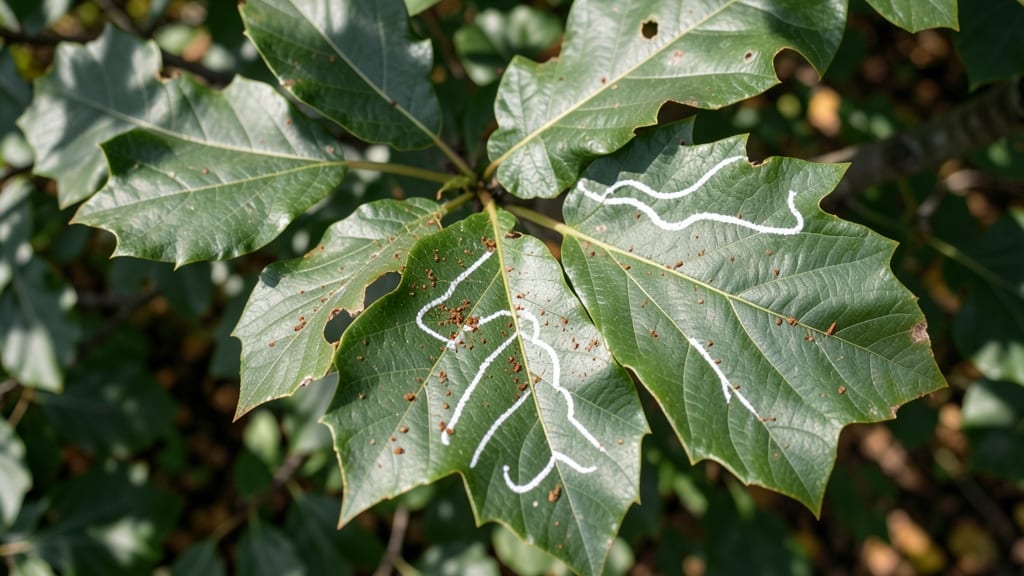
If your elm trees look like they’ve been attacked by tiny artists with white crayons, you’re likely dealing with elm leaf miner damage. These pests create distinctive white, serpentine tunnels and leave behind brown frass (insect waste) that’s impossible to miss—especially when inspecting leaves in late spring to early summer.
The larvae of these small moths tunnel between leaf layers, feeding on plant tissue and causing premature leaf drop. Without intervention, repeated infestations weaken the tree’s ability to photosynthesize, leading to stunted growth and even death over time. For Tennessee’s historic elms, this is particularly concerning—these trees are already vulnerable to Dutch elm disease.
Homeowners and urban forest managers should act quickly by removing heavily infested leaves (wear gloves!) and applying horticultural oil sprays in early spring before eggs hatch. Early detection is your best defense—this subtle damage is often the first sign of a larger pest problem. 💚
Hickory Nut Gall Symptoms
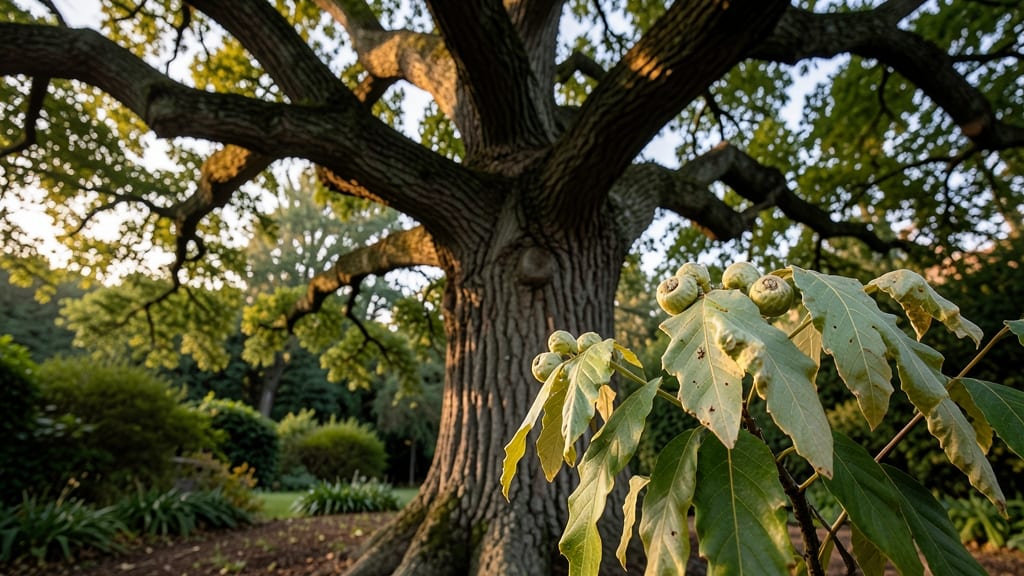
If your hickory trees are suddenly sporting leaves that look like they’ve been stretched and twisted into unnatural shapes, you’re likely dealing with hickory nut gall—a pest-induced condition that can weaken these valuable hardwoods over time.
This issue is caused by tiny wasps laying eggs in leaf tissue, triggering abnormal growth that creates swollen, rounded galls along the leaf veins. Unlike fungal spots or environmental stress, these galls are often pearly white or greenish and can reach the size of a marble. While they rarely kill the tree, severe infestations may reduce nut production and overall vigor.
Landowners and forest managers in Tennessee should monitor hickory trees during late spring and summer, as this is when galls become most noticeable. Early identification helps you take action—like encouraging natural predators or consulting an arborist for organic treatments. 🌿
Sycamore Anthracnose Leaf Blight
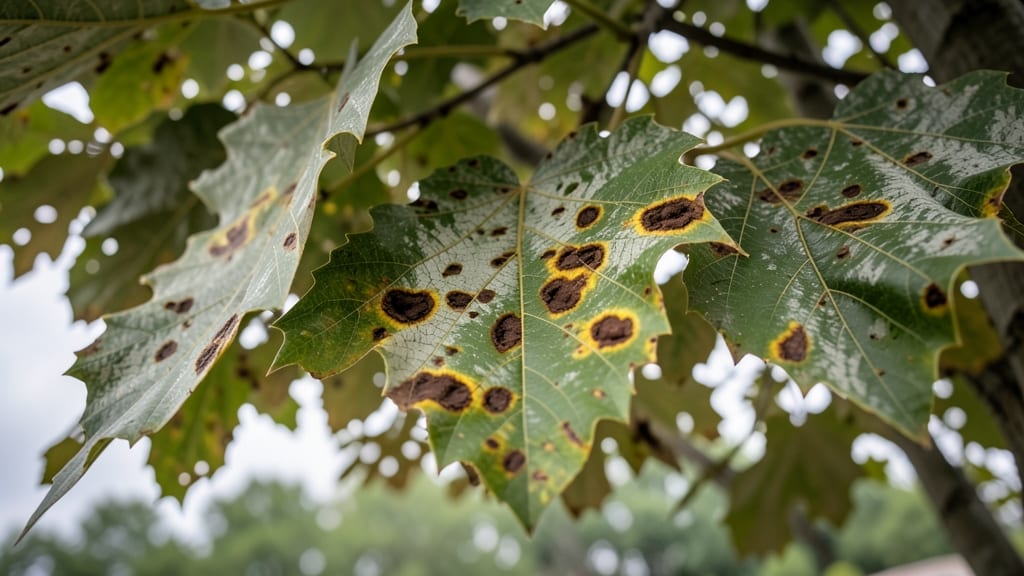
If your sycamore tree suddenly develops dark, sunken patches on its leaves, you’re likely dealing with anthracnose leaf blight—a fungal threat that thrives in Tennessee’s warm, humid climate. This disease creates irregular, dark brown lesions with yellow halos, often appearing first on lower leaves before spreading upward.
Sycamores are particularly vulnerable due to their fast growth, which weakens natural defenses. Prune infected leaves in late winter or early spring to improve airflow, and avoid overhead watering to reduce fungal spores. For severe cases, fungicides containing copper or chlorothalonil can help, but prevention through proper sanitation is key.
This disease is especially concerning for landowners with mature sycamores, as repeated infections can stunt growth and reduce canopy health. Early action can save your tree from long-term decline. 🌟
Red Oak Rusty Canker
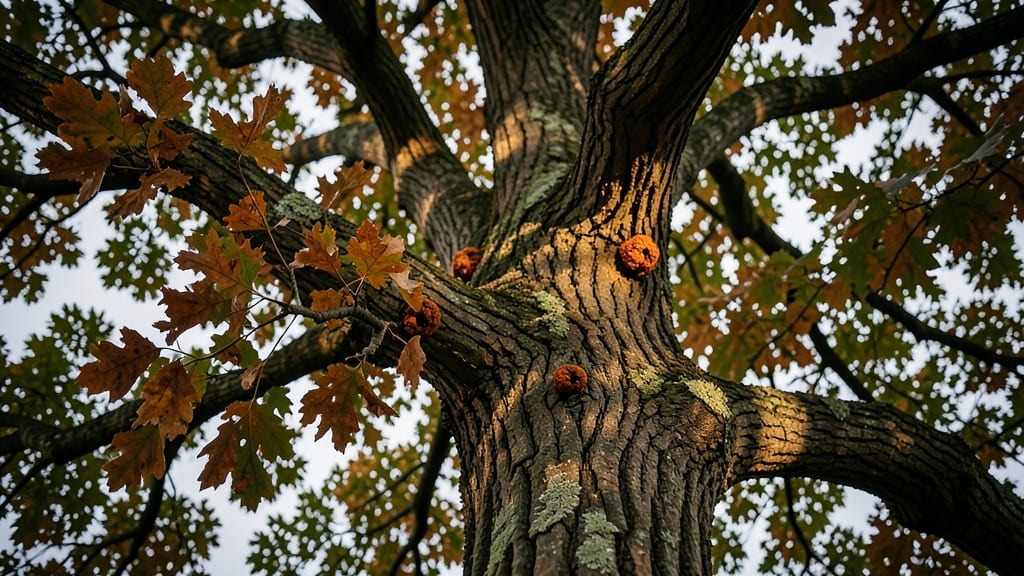
If your red oak trees in Tennessee are showing strange orange-brown patches on branches or leaves, you’re likely dealing with rusty canker—a bacterial disease that can weaken and even kill these iconic hardwoods if left unchecked.
This disease creates raised, crusty cankers with a rusty orange hue, often accompanied by oozing sap. Unlike fungal issues, rusty canker thrives in warm, wet conditions common in Tennessee’s spring and summer. Prune infected branches 12 inches below visible cankers to prevent spread, and sterilize tools between cuts to avoid contamination.
Homeowners and forest managers should monitor red oaks during peak growing seasons (April–June) when symptoms flare up. Early action can save your trees from decline. 🌟
Environmental Leaf Burn Patterns

If your urban Tennessee trees are showing crispy, brown edges but the rest of the leaf stays green, you’re likely dealing with environmental leaf burn—not a fungal infection. Unlike diseases that create spots or discoloration, this condition reveals how trees respond to drought or air pollution, common stressors in city landscapes.
Leaf burn typically starts at the edges and progresses inward, often affecting younger leaves first. The key difference from diseases? No visible mold, spots, or discoloration beyond the crispy margins. Trees like maples and oaks are especially sensitive to this, so check for prolonged dry spells or nearby construction dust. Mulching and regular watering can help, but severe cases may require professional arborist advice.
This distinction matters most for urban gardeners and city planners—identifying environmental stress early can prevent misdiagnosis and unnecessary treatments. 🌟