
Blooming
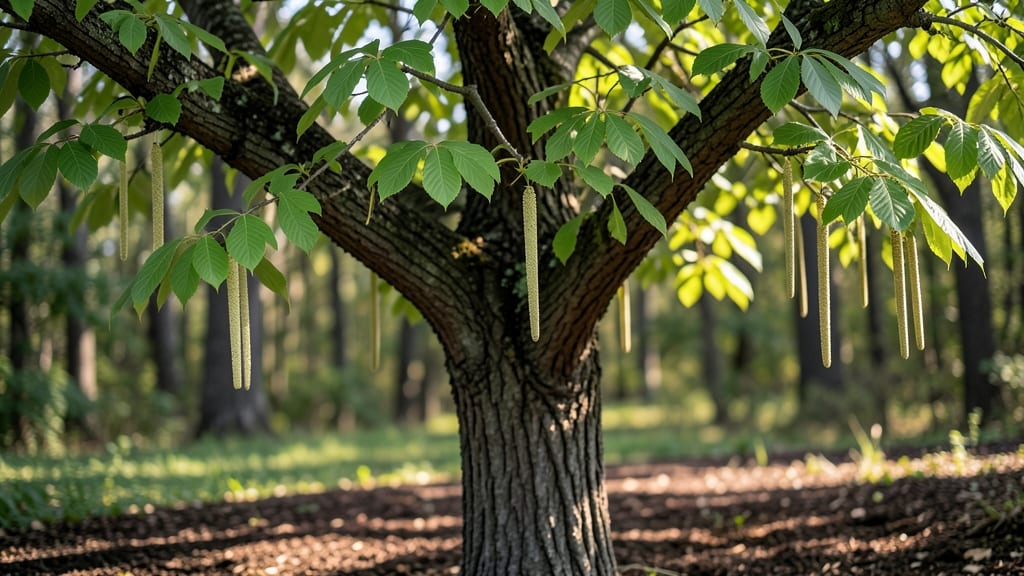
Black walnut trees bloom in late winter or early spring before leaves emerge, and those tiny greenish-yellow catkins are the secret to next year’s nuts. 🌿 I’ve watched mine transform from bare branches to a flurry of pollination activity, and the key to keeping this cycle strong lies in dormant-season pruning—something most gardeners overlook.
The blooms may look unassuming, but they’re critical for fruit production and support pollinators like bees. Pruning at the right time—late winter to early spring—stimulates new growth while preserving the tree’s natural shape. You’ll remove dead wood, improve airflow, and encourage more abundant blooms in future seasons.
After pruning, your tree will reward you with healthier foliage and stronger nut production. The process is simpler than it sounds, and the payoff is worth the effort.
I’ll walk you through the exact steps to do it right, so you can enjoy a thriving black walnut year after year. This method works for both young saplings and mature trees, making it a versatile technique for any landscape. Let’s get started!
📚 In This Guide
- What you need
- Instructions
- Tips and common mistakes
- Wrapping up and next steps
What you need
- ● Pruning saw: A sharp, bypass pruning saw with a 10–12" blade (for thicker branches 2"+ in diameter). Example: Felco F-2 or Corona CS7200.
- ● Loppers: Bypass loppers with 18–24" handles (for branches 2–6" thick). Example: Felco F-2H or Fiskars X27.
- ● Pruning shears: Bypass shears for small branches (Example: Felco F-2 or Corona CS6600.
- ● Gloves: Heavy-duty, cut-resistant gloves (e.g., Mechanix Wear M500 or Worn Again Workwear).
- ● Safety gear: Safety glasses and a face mask (to avoid inhaling sawdust or spores).
- ● Rope or harness: If pruning tall trees, use a harness system or throw line for stability.
- ● Disinfectant: 70% isopropyl alcohol or rubbing alcohol to sterilize tools between cuts (prevents disease spread).
- ○ Pruning sealant: Optional but helpful: Tree wound sealant (e.g., Tanglefoot Tree Wound Pruning Sealer) for large cuts.
- ● Weather check: Prune on a dry, calm day (avoid windy or rainy conditions). Ideal temps: 40–60°F (4–15°C).
- ● Tree health assessment: Inspect the tree for dead, diseased, or crossing branches before starting.
- ● Cleanup supplies: Heavy-duty trash bags (for debris) and a wheelbarrow (if hauling large branches).
- ● Extension ladder (if needed): A stable, extendable ladder rated for your height (e.g., 24–32 ft for large trees).
- ● First-aid kit: Basic kit with bandages (for minor cuts or scrapes).
Step-by-Step guide to pruning black walnut trees for spring blooms
Dormant season is your chance to shape growth and encourage vibrant spring flowers.
✂️ Step 1: Identify and Remove Dead or Diseased Branches
Start by examining the tree from all angles—look for branches that are completely brown, brittle, or showing signs of fungal growth like black spots or powdery residue. These are your first targets. Black walnut trees are particularly prone to bacterial blight and anthracnose during wet springs, so removing infected wood early prevents spread.
Use clean, sharp pruning shears to make your cuts just outside the branch collar—the swollen area where the branch meets the trunk. This ensures the tree can seal the wound properly. If a branch is larger than 2 inches in diameter, use a pruning saw instead. I always disinfect my tools with rubbing alcohol between cuts to prevent cross-contamination.
✂️ Step 2: Thin the Canopy for Better Air Circulation
Black walnut trees naturally grow dense canopies, which can shade out lower branches and reduce flower production. Your goal is to create an open, vase-like shape that allows sunlight to reach all parts of the tree. Remove branches that cross each other, creating weak points where disease can enter, and any that grow inward toward the center.
Focus on branches that are less than ⅓ the diameter of the trunk below them—these are called "water sprouts" and rarely produce flowers. Cut these back to their point of origin. You'll see a noticeable difference in airflow after just a few cuts, which directly impacts how well the tree blooms in spring. Never remove more than 25% of the tree's canopy in one season.
☀️ Step 3: Prune for Light Penetration to Flower-Producing Branches
The most productive flowering occurs on older wood—those branches that are at least 3-4 years old. Look for clusters of small, reddish buds along the branches; these are your future flowers. If these branches are shaded by thicker growth above, they won't receive enough light to bloom properly.
Selectively remove branches that block sunlight from reaching these flower-producing zones. Aim to reduce shading by at least 50% in the lower third of the tree. I like to work from the inside out, gradually opening up the canopy like peeling back layers of an onion. After pruning, you should be able to walk underneath the tree and see sunlight filtering through.
⏰ Step 4: Time Your Final Cuts for Late Winter Dormancy
The absolute best time to prune is during the tree's dormant season, which for black walnuts runs from late winter through early spring—typically between mid-February and early March in most growing zones. The tree's sap is down, so it won't lose excessive moisture through fresh cuts. Wait until the ground is thawed but before new growth begins.
If you're in a warmer climate where buds swell earlier, prune as soon as possible after the last hard frost. Avoid pruning in fall, as new growth stimulated by late-season cuts won't harden off properly before winter. After finishing, apply a thin layer of wound dressing only if the cut is larger than 4 inches in diameter—smaller cuts heal faster without it.
🌱 Step 5: Monitor and Maintain Through Early Spring
After pruning, keep an eye on the tree for the first few weeks of spring. Healthy new growth should appear within 4-6 weeks as bright green shoots. If you notice any yellowing leaves or oozing sap at pruning sites, it's a sign of stress—reduce watering slightly until new growth stabilizes.
Black walnut trees respond well to a light application of balanced fertilizer (10-10-10) in early spring, about 6-8 weeks after pruning. This gives the tree energy to produce abundant flowers. I always water deeply after fertilizing to help the nutrients reach the roots. By late spring, you should see clusters of catkins—those fuzzy, yellow flower buds—that signal a successful pruning job.
Tips & tricks for perfect black walnut tree bloom pruning
Here's what nobody tells you about transforming your black walnut tree into a flowering powerhouse.
Branch Collar Precision: In Step 1, when you're cutting branches larger than 2 inches, focus on making your cut just outside the branch collar—the swollen area where the branch meets the trunk. This might seem small, but it's the difference between a wound that heals cleanly and one that invites disease. I've seen trees with messy cuts develop fungal infections within weeks, so take your time here. The collar is nature's built-in sealant.
Water Sprout Identification: During Step 2's canopy thinning, don't overlook those skinny vertical shoots growing straight up from the trunk or branches. These are water sprouts, and they're energy vampires—sucking nutrients away from your flower-producing branches. Cut them back to their point of origin, even if they look healthy. You'll be amazed at how much more energy your tree puts into flowering after removing these.
Light Penetration Test: After completing Step 3's flower-producing branch pruning, do this quick test: stand directly under the tree and look up. You should see sunlight filtering through the canopy in multiple spots, not just one or two openings. If you can't walk underneath without shade, you haven't opened it up enough. The goal is to create that "dappled sunlight" effect that flower buds love.
Pro Tips for Black Walnut Tree Bloom
- Here's what nobody tells you about transforming your black walnut tree into a flowering powerhouse.
- Branch Collar Precision: In Step 1, when you're cutting branches larger than 2 inches, focus on making your cut just outside the branch collar—the swollen area where the branch meets the trunk.
- Water Sprout Identification: During Step 2's canopy thinning, don't overlook those skinny vertical shoots growing straight up from the trunk or branches.
Frequently asked questions
Got questions about black walnut tree blooms and pruning? You’re not alone! Here are some of the most common queries—plus quick answers to help you prep for a stunning spring display.
When do black walnut trees bloom, and how long does it last?
Black walnut trees bloom in early spring, typically between March and April, depending on your climate. The male catkins (flowers) appear first, followed by the female flowers. Blooming lasts about 1–2 weeks, but the tree’s iconic nuts develop over the summer and fall. Prune in late winter or early spring (before buds swell) to avoid cutting off next year’s blooms!
Can I prune a black walnut tree when it’s blooming?
Nope! Pruning during bloom can stress the tree and reduce flower production. Stick to dormant season pruning (late winter/early spring) to encourage healthy growth and abundant blooms. If you must prune later, wait until after flowering (May or June) and avoid removing more than 25% of the canopy at once.
Why isn’t my black walnut tree blooming?
Several factors could be at play:
- Age: Young trees (under 10 years) may not bloom yet.
- Poor health: Disease, pests, or root damage can stunt flowering.
- Improper pruning: Over-pruning or cutting at the wrong time removes flower buds.
- Climate: Late frosts or extreme heat can damage blooms.
Check for yellowing leaves, holes in foliage, or sawdust-like frass (signs of pests). If the tree is otherwise healthy, give it time—or consult a local arborist!
Are there non-toxic alternatives to black walnut for shade trees?
Yes! If you love black walnut’s shade but want low-maintenance blooms, consider these alternatives:
- Shagbark Hickory: Similar height, edible nuts, and fewer toxins.
- Eastern Redbud: Early spring blooms (pink flowers) and compact size.
- Serviceberry: White spring flowers, edible berries, and disease-resistant.
- Oak Trees (e.g., White Oak): Long-lived, low-maintenance, and great for wildlife.
Pro tip: If you keep black walnut, plant it at least 50 feet from other trees or gardens—its roots release juglone, a toxin harmful to many plants!
What should I do if my black walnut tree has blackened or dying branches?
Blackened branches could signal disease (e.g., walnut blight), fungal issues, or pest infestations. Here’s how to troubleshoot:
- Inspect closely: Look for cankers (sunken, dead spots), oozing sap, or holes.
- Prune dead wood: Use sterilized tools and cut 6 inches below the damage.
- Check for pests: Walnut husk flies or borers can weaken trees. Treat with neem oil or insecticidal soap if needed.
- Water deeply: Drought stress makes trees vulnerable. Mulch the base to retain moisture.
If the issue persists, a soil test can rule out nutrient deficiencies like iron or zinc—common in black walnuts.
Wrapping up and next steps
Watching your black walnut tree bloom in spring is a rewarding experience—one that starts with thoughtful dormant-season pruning! By following the right techniques, you’ll encourage vibrant flowers, stronger growth, and a healthier tree for years to come.
Now that you’re equipped with the tools, timing, and tips, it’s time to roll up your sleeves and give your tree the care it deserves.
🌱 Ready to take action? Grab your pruners, mark your calendar for late winter, and start pruning with confidence. Your future blooms—and the local wildlife—will thank you!