
Pruning
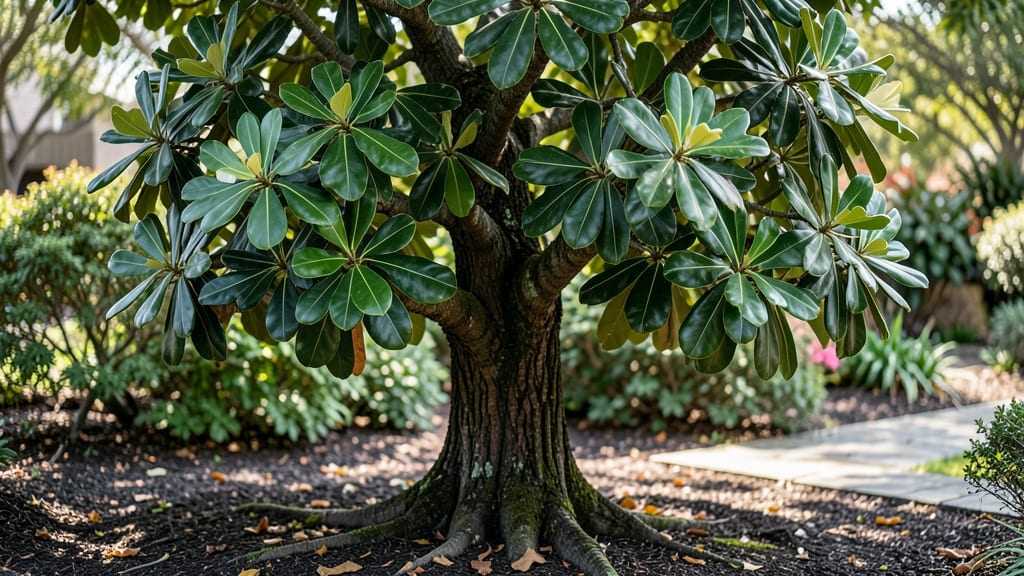
That rough, textured bark is the southern magnolia’s secret weapon—it’s not just pretty, it’s a health barometer for your tree. 🌳 The deep ridges and papery texture tell you everything from age to stress levels, and when it starts peeling or darkening, it’s your tree’s way of yelling for help.
Healthy bark should stay dark gray-brown with those signature ridges, but watch for black streaks (fungus) or sun-scalded patches (peeling white areas). These aren’t just cosmetic—they signal deeper issues like disease, pest damage, or improper pruning that’s letting in too much light.
Pruning near the trunk exposes fresh bark to sunburn, so keep cuts clean and sloped at least 6 inches from the main stem. Thin the canopy gradually to avoid stress, and always prune in late winter when the tree’s dormant—this protects the bark while encouraging strong new growth.
With the right care, your magnolia’s bark stays thick, protective, and stunning for decades. The key is gentle pruning, proper spacing, and quick action when you spot trouble—because once that bark starts failing, the whole tree suffers.
📚 In This Guide
- What you need
- Instructions
- Tips and common mistakes
- Wrapping up and next steps
What you need
- ● Pruning shears: Bypass pruners (for cuts up to ½ inch) – 1 pair (look for sharp, stainless steel blades).
- ● Loppers: For branches ½–2 inches thick – 1 pair (choose bypass or anvil type with long handles for reach).
- ● Pruning saw: For thicker branches (2+ inches) – 1 medium-sized saw (curved blade for clean cuts).
- ● Ladder: Extendable or step ladder (12–20 ft) – 1 sturdy unit (ensure weight capacity for your height).
- ● Gloves: Heavy-duty gardening gloves – 1 pair (cut-resistant for protection against saw teeth and thorns).
- ● Safety glasses: ANSI-rated – 1 pair (to shield eyes from debris).
- ● Disinfectant: 70% isopropyl alcohol or bleach solution (1 part bleach to 9 parts water) – small spray bottle (prevents disease spread).
- ● Heavy-duty trash bags: For collecting pruned branches – 2–3 bags (or a wheelbarrow for larger jobs).
- ● Pole pruner: Extendable for high branches – 1 unit (saves ladder time for tall trees).
- ○ Tree wound dressing: Pruning sealant (optional for large cuts) – small tube (controversial but useful for some gardeners).
- ● Marking twine or flags: For tagging branches to prune – small roll (helps with planning).
- ● First-aid kit: Bandages, antiseptic wipes – 1 small kit (for minor cuts or scrapes).
Step-by-Step guide to pruning southern magnolia for a healthy canopy
Here's how to maintain your magnolia's natural beauty while preventing disease and encouraging strong growth.
✂️ Step 1: Time Your Pruning for Optimal Healing
Prune your southern magnolia immediately after flowering—typically in late spring—when the blooms have faded but before new growth hardens. This timing ensures you remove spent flowers while avoiding the tree's summer stress period. I always wait until mid-to-late May in my zone 8 garden, when the air temperature consistently stays above 65°F.
Never prune in fall or winter. The slow-healing wounds attract fungal infections that thrive in cool, damp conditions. If you must remove dead branches outside the ideal window, do it during dry weather and sterilize your tools between cuts to minimize risk.
🌿 Step 2: Remove Dead, Diseased, and Crossing Branches First
Start by eliminating any branches showing signs of disease—yellowing leaves, blackened bark, or oozing sap. Cut these back to the main trunk or a healthy lateral branch using clean, sharp pruners. I look for branches that are at least 4 inches in diameter before making larger cuts, as these require more precise technique.
Next, remove any branches that cross or rub against others. These create wounds that eventually weaken the tree. Make your cuts just outside the branch collar—the swollen area where the branch meets the trunk. This ensures the tree can seal the wound properly and prevents unsightly stubs.
☀️ Step 3: Thin the Canopy for Better Airflow and Light Penetration
Step back and examine the tree's overall shape. Southern magnolias naturally grow with a broad, rounded canopy, but dense growth can trap moisture and encourage fungal problems. Select branches to remove that are growing inward or upward—these compete with the tree's natural structure. I aim to remove no more than 25% of the canopy in any single pruning session.
When thinning, make your cuts at the branch collar again. Avoid "topping" the tree by cutting back to a lateral branch—this creates unsightly regrowth and weakens the tree. Instead, focus on creating an open, vase-like shape that allows sunlight to reach the lower branches.
⏰ Step 4: Shape and Maintain the Tree's Natural Form
After removing problem branches, use your pruners to refine the tree's shape. Southern magnolias respond well to gentle shaping, so avoid drastic cuts. I like to create a slightly tiered look by encouraging lower branches to grow horizontally while allowing the upper branches to form a natural dome.
For larger branches over 2 inches in diameter, use three-step cutting to prevent tearing. First, make an undercut about 12-18 inches out from the trunk, then a top cut just beyond that. Finally, make your final cut just outside the branch collar. This method prevents the branch from tearing and damaging the trunk.
💧 Step 5: Clean Up and Protect the Tree Post-Pruning
After pruning, collect and dispose of all cut branches and debris immediately. Leaving them on the ground invites pests and diseases. I always sterilize my pruners with a 10% bleach solution between cuts to prevent spreading any potential pathogens.
Apply a thin layer of wound dressing only to large cuts over 2 inches in diameter. For smaller cuts, let the tree seal naturally—dressings often trap moisture and promote rot. Water the tree deeply after pruning to help it recover, especially if you've removed a significant portion of the canopy.
Tips & tricks for pruning southern magnolia canopy
Pruning a southern magnolia properly transforms it from a messy tangle into a stunning, healthy specimen. Here's what I've learned after years of working with these majestic trees.
Timing is Everything: The late spring window (mid-to-late May when temperatures consistently stay above 65°F) is non-negotiable for southern magnolias. This timing ensures you remove spent blooms while avoiding the tree's summer stress period. I've seen trees develop fungal infections after fall or winter pruning—those slow-healing wounds become perfect entry points for pathogens. If you absolutely must prune outside this window, do it during dry weather and sterilize tools between cuts to minimize risk.
Branch Collar Precision: In Step 2 and Step 4, making cuts just outside the branch collar is critical—this swollen area contains healing tissues that help the tree seal wounds properly. I've made the mistake of cutting flush with the trunk, which creates unsightly stubs that never heal. For branches over 2 inches in diameter, use the three-step cutting method to prevent tearing: undercut first, then top cut, and finally your clean cut outside the collar. This technique alone has saved me from damaging trunks on multiple trees.
Canopy Thinning Strategy: When thinning in Step 3, aim to remove no more than 25% of the canopy in any single session. I learned this the hard way after removing too much at once—my tree struggled to recover and produced fewer blooms the following spring. Focus on removing branches that grow inward or upward, as these compete with the tree's natural structure. The goal is to create an open, vase-like shape that allows sunlight to reach all branches, preventing the dense growth that traps moisture and encourages fungal problems.
Post-Pruning Care: After completing all cuts, collect and dispose of debris immediately—leaving branches on the ground invites pests and diseases. For cuts over 2 inches in diameter, apply a thin layer of wound dressing only to large wounds. I've seen smaller cuts seal perfectly without dressing, while larger ones benefit from this protective layer. Always water the tree deeply after pruning, especially if you've removed a significant portion of the canopy. This helps the tree recover and prevents stress-related decline.
Pro Tips for Southern Magnolia Tree Bark
- Pruning a southern magnolia properly transforms it from a messy tangle into a stunning, healthy specimen.
- Timing is Everything: The late spring window (mid-to-late May when temperatures consistently stay above 65°F) is non-negotiable for southern magnolias.
- Branch Collar Precision: In Step 2 and Step 4, making cuts just outside the branch collar is critical—this swollen area contains healing tissues that help the tree seal wounds properly.
Frequently asked questions
about southern magnolia tree bark and pruning—because even the most majestic trees need a little TLC!When is the best time to prune a southern magnolia to avoid damaging its bark?
The ideal time to prune is late winter or early spring, just as buds begin to swell but before new growth starts. Avoid pruning in summer or fall, as wounds may not heal properly, leaving the bark vulnerable to disease or pests. Prune during dormancy (Dec–Feb) for cleaner cuts and faster recovery!
How do I prune without harming the thick, textured bark of a southern magnolia?
Southern magnolias have delicate bark under that rugged exterior—always use sharp, clean tools to make precise cuts 1/4-inch above a bud or branch collar. Avoid tearing the bark by never leaving stubs; instead, cut at the correct angle to promote smooth healing. Disinfect tools between cuts to prevent bacterial infections!
How long does it take for pruning wounds on southern magnolia bark to heal?
Healing time varies, but with proper pruning, wounds typically seal over in 1–2 growing seasons. Larger cuts (over 2 inches) may take longer—up to 3 years. To speed recovery, avoid over-pruning and focus on structural shaping rather than aggressive thinning. Healthy bark regenerates best when stressed minimally!
Can I prune a southern magnolia in summer if I’m worried about pests or disease?
While summer pruning isn’t ideal, it’s better than leaving dead or diseased branches! If you must, prune in early summer (June) to minimize stress. Remove only the worst offenders—like deadwood or pest-infested limbs—and sterilize tools to prevent spreading issues. Just be prepared for slower healing and potential bark sensitivity!
Are there alternatives to traditional pruning for maintaining a southern magnolia’s bark health?
Yes! Consider selective thinning to improve airflow (reducing humidity-related bark rot) or crown raising to protect the trunk’s lower bark from lawn equipment damage. For mature trees, drop crotching (removing branches at their origin) can reduce weight on the bark. Always avoid topping—it stresses the tree and scars the bark severely!
Wrapping up and next steps
Pruning your Southern magnolia tree doesn’t have to be intimidating—with the right tools, timing, and techniques, you can cultivate a stunning, healthy canopy that thrives for years. 🌿 Remember to prioritize safety, remove dead or crossing branches, and avoid over-pruning to preserve the tree’s natural beauty.
Your efforts will reward you with a graceful, vibrant magnolia that enhances your landscape effortlessly.
Ready to take action? Grab your pruners, mark your calendar for late winter or early spring, and start shaping your magnolia with confidence! For extra guidance, watch a pruning tutorial or consult a local arborist to refine your skills.