
Pruning
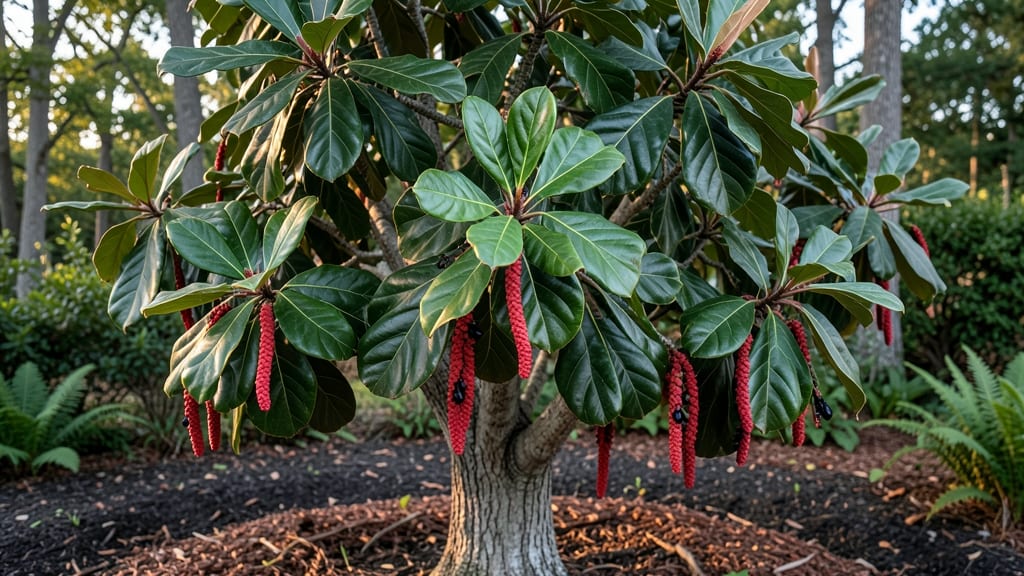
Those striking red magnolia berries aren’t just ornamental—they’re nature’s promise of next year’s blooms. 🌿 I’ve learned the hard way that patience and proper care are key to coaxing them from your tree, especially if you’re hoping to preserve them for winter arrangements.
The secret lies in understanding when to prune, how to water, and what your tree truly needs to thrive.
Magnolias love well-draining soil and 6+ hours of sunlight daily, but they’re surprisingly low-maintenance once established. The real magic happens in late winter or early spring when you prune—removing dead branches while leaving the structure intact.
This isn’t just about aesthetics; it’s about encouraging the tree to focus its energy on producing those vibrant berries.
By mid-fall, your tree will reward you with clusters of glossy red berries that last through winter. They’re not edible (toxic if ingested), but their role in the tree’s lifecycle is fascinating—they feed birds and insects while ensuring new blooms the following spring.
Preserving them is simple: just harvest, dry, and store in a cool, dark place for long-lasting color.
Whether you’re growing a Southern magnolia or a smaller variety, the same principles apply. The key is consistency—water deeply but infrequently, mulch to protect roots, and avoid heavy pruning.
Your tree will thank you with bold berries year after year, and your winter arrangements will be the talk of the neighborhood.
📚 In This Guide
- What you need
- Instructions
- Tips and common mistakes
- Wrapping up and next steps
What you need
- ● Harvesting: Pruning shears or sharp garden scissors (for clean cuts) – 1 pair
- ● Heavy-duty gloves (to protect hands from thorns) – 1 pair
- ● Large bucket or harvesting basket (with a lid to keep berries fresh) – 1-2
- ● Ladder or step stool (for reaching higher branches) – 1
- ● Newspaper or soft cloth (to cushion berries during transport) – as needed
- ● Processing & Preservation: Stainless steel bowl or large mixing container – 1
- ● Colander (for rinsing berries) – 1
- ● Paper towels or clean kitchen towels (for drying) – as needed
- ● Food-grade plastic containers or glass jars (with airtight lids) – 3-5
- ○ Optional: Vacuum sealer (for extended shelf life) – 1
- ● Spray bottle with water (to mist berries if they’re drying out during harvest)
- ● Labeling markers (to tag jars with dates or preservation methods)
- ● Small scale (for measuring berry yield, if tracking harvests)
- ● Food dehydrator (if you plan to dry slices of magnolia berries for teas or crafts)
Step-by-step guide to harvesting and preserving magnolia tree red berries
Here's how to turn your magnolia tree's bounty into long-lasting decorations or preserves—no wasted berries here.
🌿 Step 1: Identify and Harvest Ripe Berries
Magnolia berries ripen between late summer and fall, turning from green to a deep, glossy red. Wait until they're fully colored and slightly soft to the touch—this ensures peak flavor and texture. I always harvest on a dry morning; damp berries stain everything and stick to your hands.
Use clean, sharp pruning shears to snip clusters from the tree. Avoid pulling them directly off the stems, which can damage the plant. Fill a large bowl or basket with the harvested berries, leaving stems attached for easier cleaning later. Work quickly if you're processing them fresh—ripe magnolia berries spoil within 3-5 days when left uncovered.
💧 Step 2: Clean and Prepare the Berries
Spread the berries on a clean kitchen towel or paper towels to air-dry for 10-15 minutes. This removes surface moisture without over-drying them. Gently rub the stems between your fingers to loosen any debris, then use a soft brush to remove remaining dirt or insects. Never soak the berries—excess water causes them to split and spoil faster.
For decorative purposes, you can leave the berries whole. If you're making preserves or extracts, remove the stems and discard any berries that are bruised or shriveled. A good batch should yield about 1 cup of cleaned berries per pound harvested. I like to weigh them at this stage to track yield—it’s satisfying to see how much you’ve collected!
✂️ Step 3: Choose Your Preservation Method
For dried berries, spread them in a single layer on a baking sheet lined with parchment paper. Place in a low oven (170°F) or a dehydrator (135°F) for 6-8 hours, stirring occasionally, until they’re dry and brittle. Store in an airtight container with a desiccant packet to keep them fresh for up to 6 months.
For preserves or syrups, simmer 1 cup cleaned berries with 2 cups water, 1 cup sugar, and 1 teaspoon lemon juice for 20-30 minutes until thickened. Strain through a fine-mesh sieve, then bottle the liquid. This syrup keeps in the fridge for 3 weeks or can be canned for long-term storage. Real talk: the first time I tried this, I forgot to strain properly—ended up with a pulpy syrup that was delicious but messy!
🪴 Step 4: Store or Use Immediately
If storing dried berries, keep them in a cool, dark place like a pantry or root cellar. For fresh or preserved berries, refrigerate in airtight containers and use within 1-2 weeks. Label everything with the date—trust me, you’ll forget which batch you harvested first!
For decorative use, tie small clusters with twine or ribbon and hang them in wreaths or centerpieces. They’ll last several weeks indoors if kept dry. I’ve also frozen leftover berries in ice cube trays for later use in cocktails or teas—just thaw and enjoy!
⏰ Step 5: Plan for Next Year’s Harvest
After harvesting, give your magnolia tree a light pruning to encourage new growth. Remove any dead or crossing branches, but avoid heavy pruning—magnolias respond poorly to aggressive trimming. Mulch around the base with 2-3 inches of organic mulch to protect roots and retain moisture.
Note the variety of your magnolia tree—some, like Magnolia grandiflora, produce berries more reliably than others. If you want a bigger harvest next year, consider planting a second tree for cross-pollination. And here’s the thing—magnolia berries are a magnet for birds, so be ready to harvest quickly once they ripen!
Tips & tricks for perfect magnolia tree red berry preservation
These little details make all the difference between berries that last and berries that go to waste.
Harvest Timing Secret: The 10-15 minute air-drying step in Step 2 is non-negotiable—it removes just enough moisture to prevent spoilage without compromising texture. I learned this the hard way after watching a batch of berries ferment overnight because I rushed this step. Use a kitchen timer so you don't forget, especially if you're distracted by the beauty of those deep red clusters.
Temperature Matters: When drying berries at 170°F in the oven, position the rack in the center for even heat distribution. The 6-8 hour range accounts for oven variations—some run hotter than others. I test doneness by gently pressing a berry: it should crumble easily when completely dry. For dehydrators at 135°F, check every 2 hours after the initial 4-hour mark to avoid over-drying.
Preservation Technique: For syrups in Step 3, I add a pinch of salt (just ¼ teaspoon) along with the lemon juice—it enhances the berries' natural sweetness without overpowering. The 20-30 minute simmer time is crucial: start checking at 20 minutes, but don't exceed 30 or the sugar may caramelize too much, giving your syrup an unpleasant bitterness. A candy thermometer helps here, aiming for 220°F for perfect thickness.
Storage Wisdom: The airtight containers mentioned in Step 4 work best when completely filled—this minimizes air exposure. For dried berries, I use vacuum-sealed bags with desiccant packets for maximum freshness. Label each container with both the date and preservation method (dried/syrup) to avoid confusion later. The 6-month shelf life for dried berries assumes proper storage—humidity is the enemy here.
Pro Tips for Magnolia Tree Red Berries
- These little details make all the difference between berries that last and berries that go to waste.
- Harvest Timing Secret: The 10-15 minute air-drying step in Step 2 is non-negotiable—it removes just enough moisture to prevent spoilage without compromising texture.
- Temperature Matters: When drying berries at 170°F in the oven, position the rack in the center for even heat distribution.
Frequently asked questions
Got questions about those vibrant magnolia tree red berries? You’re not alone! Here are some of the most common queries—and their answers—to help you navigate harvesting, safety, and preservation like a pro.
Are magnolia red berries safe to eat?
The berries themselves are not edible and can be toxic if ingested. However, the seeds inside are sometimes used in traditional medicine (in very small amounts)—but never consume them raw or in large quantities. Always consult a healthcare provider before experimenting. The bright red berries are primarily ornamental and attract wildlife like birds and squirrels!
When is the best time to harvest magnolia berries?
Harvest them in late fall to early winter (October–December), when they’re fully ripe, deep red, and slightly soft to the touch. Avoid harvesting if they’re still green or frozen solid. Timing is key—wait until after the first frost for peak color and texture, but before they start drying out or falling naturally.
How do I protect my hands while handling magnolia berries?
Wear gloves (nitrile or latex) to avoid skin irritation from sap or mild allergens. The berries can stain clothing, so use old towels or aprons too. If you’re sensitive to plants, consider a long-sleeved shirt and safety glasses—some people report mild rashes from handling them bare-handed.
Can I use magnolia berries for crafts or decorations?
They make stunning natural decorations—try drying them in bundles for wreaths, potpourri, or holiday centerpieces. To preserve them:
Pro tip: Avoid direct sunlight to prevent fading! If someone (especially a child or pet) eats a magnolia berry, call Poison Control immediately (U.S.: 1-800-222-1222). Symptoms like nausea, vomiting, or dizziness may occur, but severe reactions are rare. Never induce vomiting unless instructed by a professional. Keep magnolia trees away from pets and kids—when in doubt, admire them from afar!
What should I do if I accidentally ingest a magnolia berry?
Wrapping up and next steps
Harvesting and preserving magnolia tree red berries is a rewarding way to connect with nature and enjoy their unique beauty—or even culinary potential! Whether you’re pruning for health, crafting, or culinary experiments, these vibrant berries offer a touch of elegance to any space. 🌿✨
The key takeaway? Timing, tools, and technique make all the difference—so grab your gloves, a basket, and a little patience. Ready to dive deeper? Start small: experiment with a few branches this season, then expand as you gain confidence. Happy harvesting! 🍂🌟