
Pruning
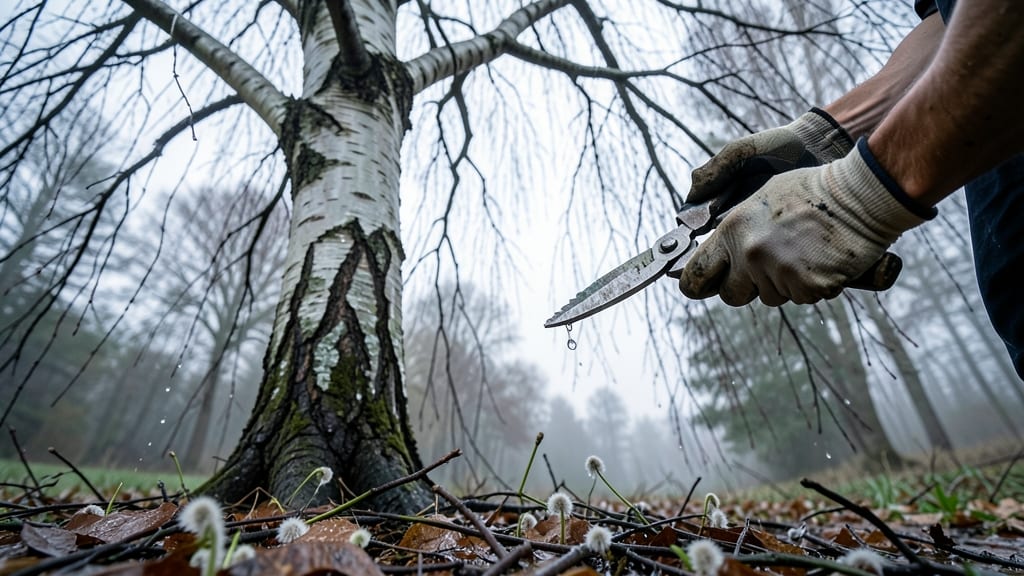
Transform your garden with expert pruning techniques for broadleaf trees and shrubs. This year-round guide ensures healthy growth, vibrant blooms, and perfect shapes—whether you're a beginner or seasoned gardener.
Spring Cleanup Pruning for New Growth
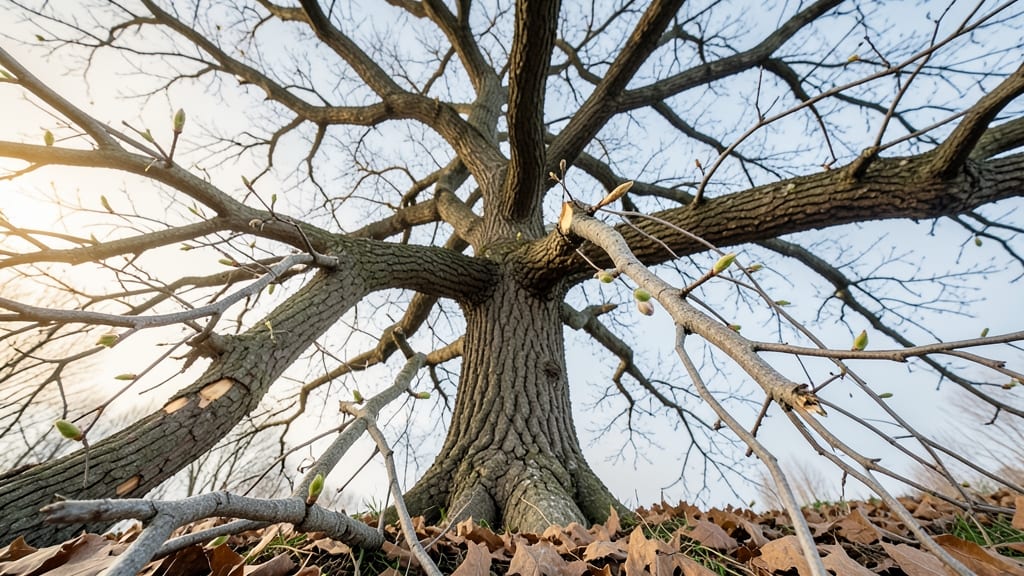
As the first buds of spring peek through winter’s grip, your deciduous trees like maple and oak are ready for a fresh start—but only if you act now. Spring cleanup pruning isn’t just about tidying up; it’s about removing last year’s winter damage (think broken branches, frost cracks, or dead wood) to make room for vibrant new growth before bud break.
Focus on selective cuts—remove only branches that are dead, diseased, or crossing—and avoid heavy pruning, which can stress newly waking trees. Use sharp, sterilized shears to make clean cuts just outside the branch collar (the swollen area where the branch meets the trunk). For large branches, hire a pro to avoid damaging the tree’s structure. This is also the perfect time to thin the canopy slightly to improve airflow and sunlight penetration.
This early-season pruning sets the stage for lush foliage and stronger branches all season. Perfect for urban gardeners with limited time or anyone looking to refresh their landscape before summer. 🌱
Summer Light Pruning for Blooming Shrubs
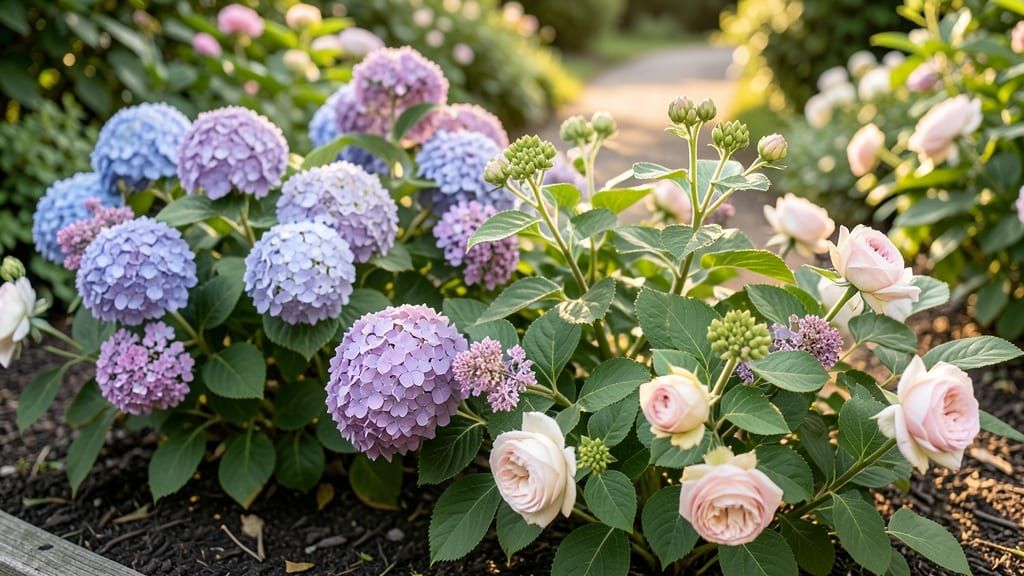
If your hydrangeas, lilacs, or roses are already putting on a show this summer, resist the urge to prune them back heavily—those blooms are forming now for next year’s display! Light summer pruning keeps your shrubs looking tidy while preserving the buds that will burst into color in spring.
Focus on removing only spent flowers and stubborn dead branches, using clean, sharp shears to make cuts just above a leaf node or outward-facing bud. Avoid heavy cuts—never remove more than one-third of the plant’s height. This minimal approach ensures your shrubs stay healthy and packed with next season’s blooms without sacrificing their current beauty. 🌿
Fall Structural Pruning for Winter Resilience
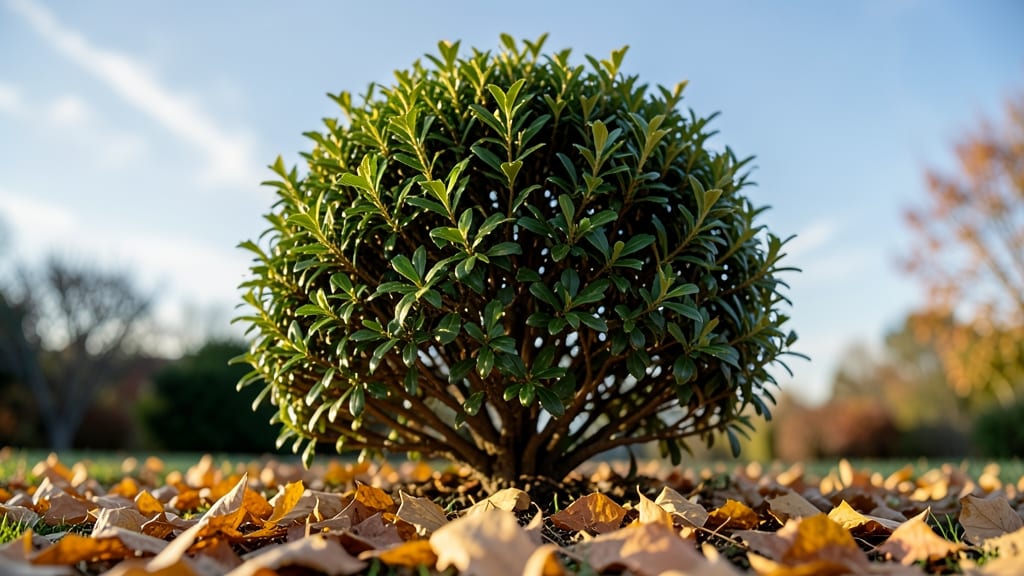
As golden leaves drift to the ground, fall structural pruning becomes your secret weapon for keeping evergreens like boxwood and hollies strong through winter. This isn’t just about shaping—it’s about removing weak, crossing, or diseased branches before frost locks them in place. Think of it as giving your plants a sturdy skeleton to weather the cold.
Focus on open-center pruning to improve airflow, which reduces snow damage and fungal risks. Use sharp, clean tools to make cuts just outside branch collars, and avoid over-pruning—never remove more than one-third of the plant’s foliage in a single session. For boxwood, a light shaping now prevents winter burn, while hollies benefit from removing crowded branches to maintain their dense, glossy appearance.
This technique is especially valuable for gardeners in colder climates where winter stress weakens plants. By strengthening structure now, you’ll see fuller, healthier growth come spring—with less cleanup later. 💪
Winter Dormant Season Pruning for Shape
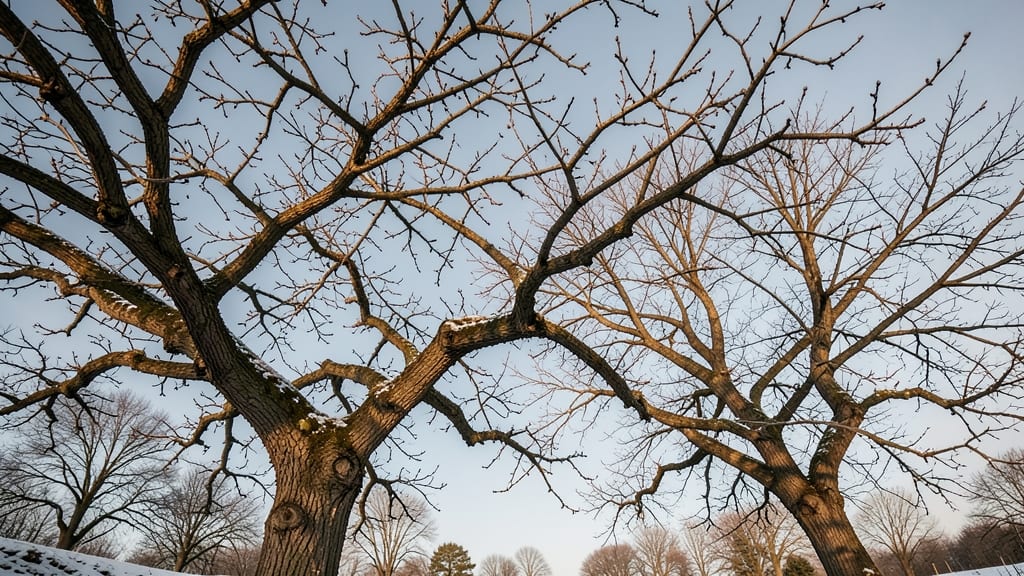
When bare branches reveal your garden’s true structure, winter dormant season is the perfect time to sculpt your fruit trees into their ideal form. Unlike other seasons, this period allows you to see the full skeletal framework of apple and pear trees, making it easier to remove crossing branches or dead wood that disrupt airflow.
Focus on open-center shapes for fruit trees by cutting back branches to the fruit spurs—those small, stubby shoots where next year’s harvest will grow. Remove any suckers at the base and thin out dense growth to let sunlight reach the center. Sterilize your tools between cuts to prevent spreading disease, and avoid pruning on frosty days to keep wounds from freezing.
This method pays off big for home orchards, as proper shaping now means healthier trees and bigger yields in spring. It’s especially valuable for gardeners with limited space who want to maximize fruit production without sacrificing aesthetics. ✨
Renewal Pruning for Overgrown Shrubs
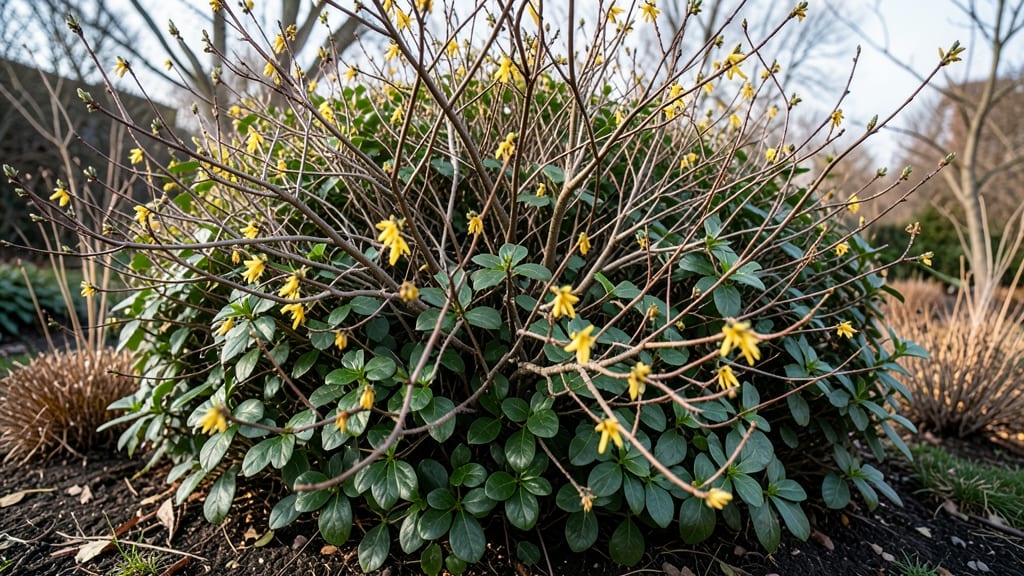
That densely packed, unruly shrub lurking in your garden isn’t hopeless—it just needs a dramatic makeover. Renewal pruning is the secret weapon for shrubs like forsythia or privet that have outgrown their space or lost their shape, and late winter is the perfect time to tackle it while the plant is dormant.
Start by cutting back up to one-third of the oldest, thickest stems to the ground, then trim remaining branches by half to open up the center. This radical reduction forces new, vigorous growth from the base while reducing disease risk. For forsythia, prune right after flowering to maintain those bright yellow blooms next season. Always use clean, sharp tools and sterilize them between cuts to prevent spreading pathogens.
This technique works wonders for urban gardeners with limited space or anyone restoring neglected landscapes. With patience, your shrub will bounce back with fresh foliage and a polished look—just in time for spring. ✨
Pinching Young Shrubs for Bushier Growth
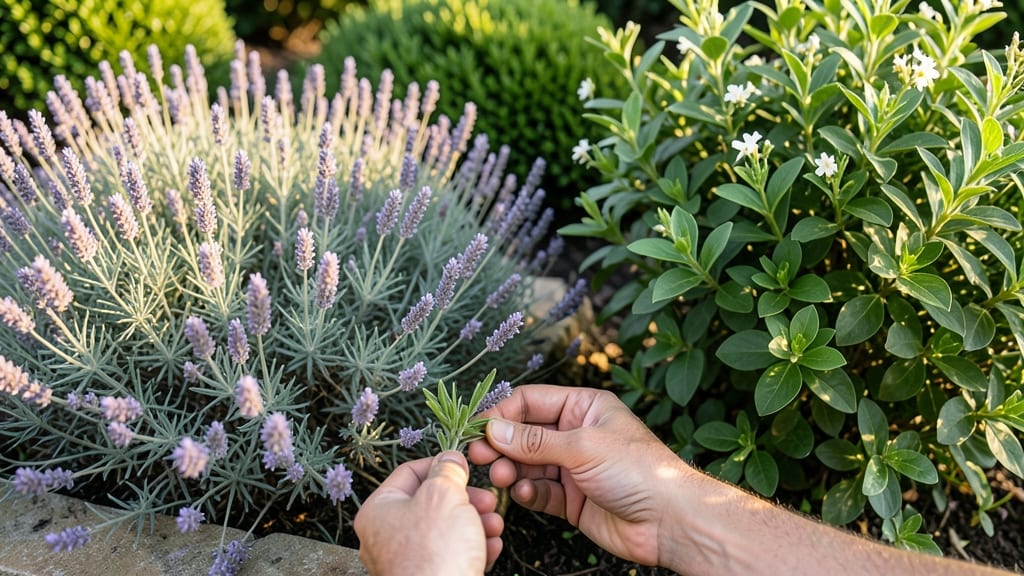
Want lavender bushes that look like lush clouds instead of skinny sticks? Or abelia with dense foliage that hides every branch? The secret is pinching—a simple, no-tools-required technique that spurs new growth and creates fuller shrubs with just a few minutes of effort.
Start when your young shrubs are 4-6 inches tall and actively growing (spring or early summer). Using your thumb and forefinger, gently pinch off the top set of leaves—this signals the plant to produce side branches instead of growing taller. Repeat every 2-3 weeks until the shrub reaches your desired shape. For drought-tolerant plants like lavender, this also encourages deeper root systems.
This method works best for newly planted shrubs or those that naturally grow leggy, like dwarf boxwood or rosemary. Beginners will love how it transforms sparse plants into thick, vibrant hedges with minimal investment—just a pinch of time and patience. 🌿
Thinning Out Dense Canopy Trees
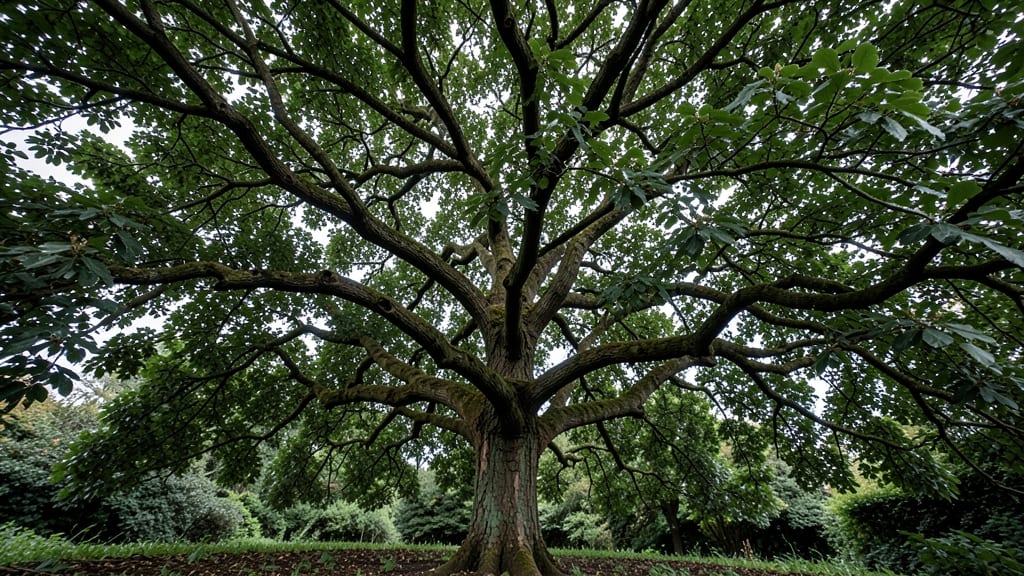
If your cherry or dogwood tree looks like a dense, impenetrable wall instead of a graceful canopy, it’s time to thin it out. Overcrowded branches create the perfect breeding ground for fungal diseases and pests by trapping moisture and blocking sunlight from reaching the inner foliage.
Focus on removing one-third of the smallest, crossing, or inward-growing branches during late winter or early spring. This improves air circulation and lets sunlight filter through, strengthening the tree’s structure and promoting healthier growth. Use sharp pruning tools to make clean cuts just outside the branch collar.
This technique is especially valuable for mature trees in urban gardens where space is limited. By thinning strategically, you’ll extend your tree’s lifespan while keeping it vibrant and pest-free. 🌟
Deadheading Spent Blooms for Extended Flowers
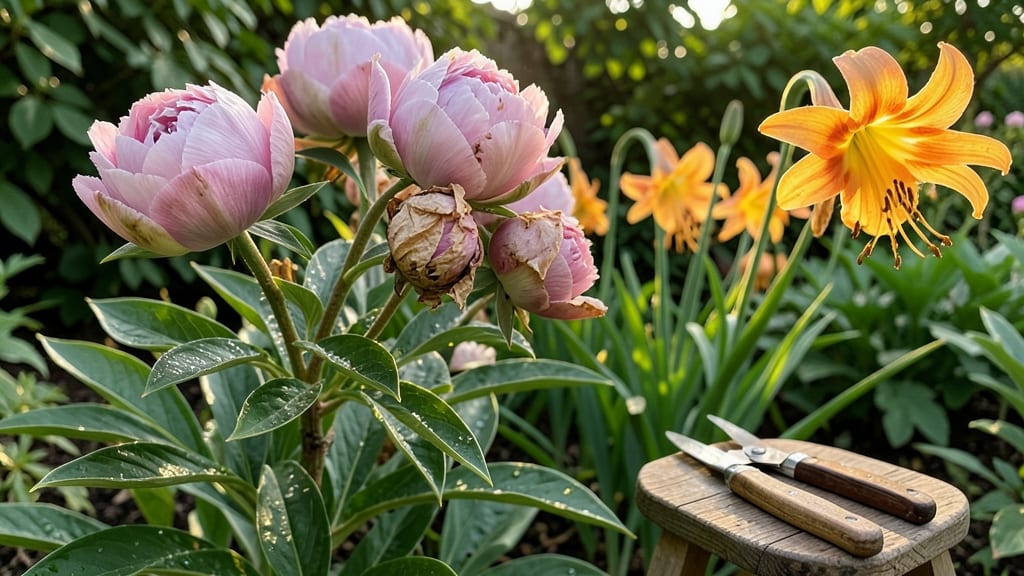
Tired of perennials like peonies and daylilies fading too soon? Deadheading spent blooms redirects energy back into the plant, rewarding you with weeks of extra color—without heavy pruning. This 5-minute task keeps your garden vibrant longer while preventing seed formation that drains plant resources.
Use clean, sharp pruners to snip just above the first set of healthy leaves or buds below the bloom. For repeat-blooming perennials, deadhead regularly throughout the season. Avoid this method for one-time bloomers like coneflowers, which rely on seed heads for winter interest. Focus on removing only fully spent blooms to avoid stressing the plant.
Perfect for cottage gardens, pollinator-friendly beds, or any space where you crave continuous blooms. Even urban gardeners with limited space will see dramatic results—just a little effort yields big, beautiful rewards. 🌻
Formative Pruning for Newly Planted Trees
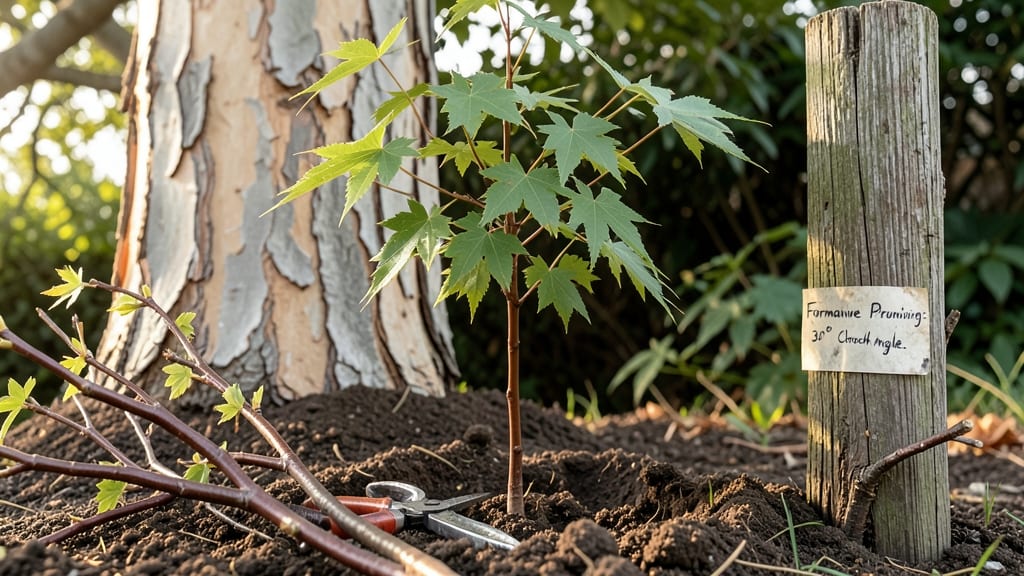
Skip the guesswork when planting young trees—formative pruning is your secret weapon for sculpting strong, long-lasting structures. Unlike later pruning, this early intervention shapes the skeletal framework of trees like Japanese maple or crape myrtle, preventing weak crotches and lopsided growth before it starts.
Focus on removing competing branches (those growing toward the center or crossing others) and shortening overly vigorous shoots by up to one-third. Use branch spreaders to gently guide horizontal growth, and avoid heavy cuts—think precision over aggression. This is especially crucial for ornamental trees where shape matters as much as health.
Perfect for gardeners who want to invest just 15 minutes monthly in trees that’ll reward you for decades. Your future self will thank you when that Japanese maple stands proudly in your landscape. 🌟
Sanitation Pruning to Prevent Disease

When wet seasons turn your willow or birch trees into fungal hotspots, sanitation pruning isn’t just helpful—it’s a lifesaver. This targeted approach removes infected branches before pathogens spread, protecting your tree’s long-term health and preventing costly replacements.
Start by cutting out branches with mushroom growths, blackened bark, or oozing sap—always prune 3-4 inches below the infected area to ensure you remove the entire affected zone. Sterilize your tools with 70% isopropyl alcohol between cuts to avoid cross-contamination, and dispose of diseased clippings in sealed bags. Focus on young, fast-growing trees first, as they’re most vulnerable to rapid fungal spread during damp conditions.
This method is especially valuable for gardeners in humid climates or those with moisture-loving broadleaf trees. A little prevention now keeps your garden thriving. ✨