
Pests and Diseases
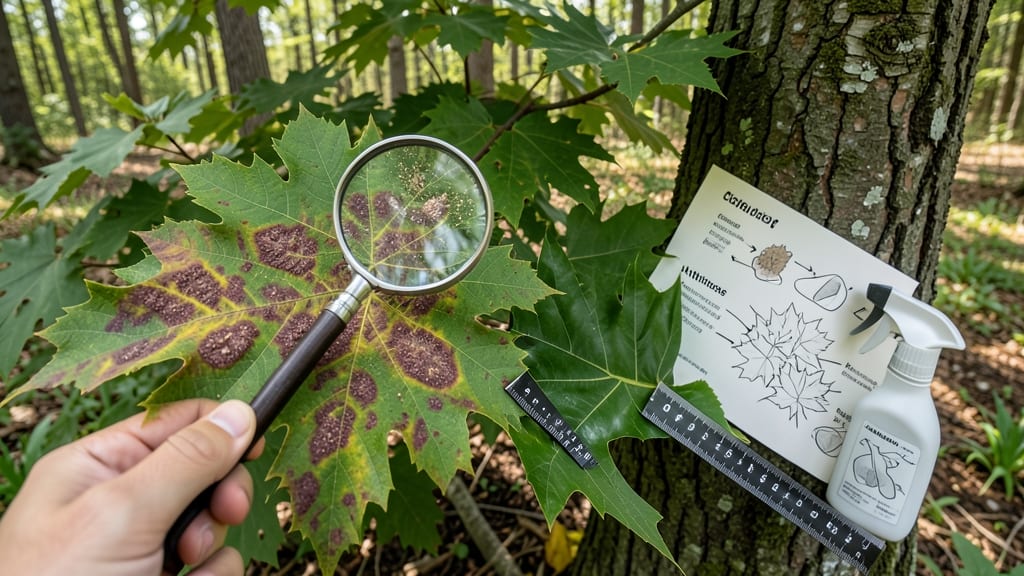
Those crimson bumps on your tree leaves aren’t just unsightly—they’re a red flag your tree is fighting something serious. 🌳 I’ve seen fungal spots, gall mites, and even environmental stress create these telltale signs, and the fix depends entirely on what’s causing them.
The good news? Most cases respond to simple organic treatments if you catch them early. First, identify the culprit: fungal spots often appear as raised red patches with yellow halos, while gall mites create tiny, hard bumps that cluster like tiny blisters.
Environmental stress—like sudden drought or heat—can also trigger reddening, but it usually fades once conditions improve. Grab a magnifying glass and inspect a few leaves closely before treating.
Once you know the cause, the solution is straightforward: for fungal spots, a copper fungicide spray or neem oil mix works wonders; for mites, horticultural oil smothers them without harming the tree.
Apply treatments in the evening to avoid burning leaves, and repeat every 7-10 days until new growth appears without bumps. If the bumps spread rapidly, the leaves yellow heavily, or the tree shows signs of decline, it’s time to call an arborist. Some issues—like bacterial infections—require professional intervention.
But in most cases, a little detective work and consistent care will have your tree looking lush and healthy in no time.
Underlying Causes Explained
When you spot tiny red bumps on tree leaves, it’s rarely a coincidence—it’s a sign of stress or infection. Understanding the root cause helps you act fast and save your trees. Below, we break down the most common triggers, from environmental stresses to microscopic invaders, with science-backed explanations.
Extreme or sudden changes in a tree’s surroundings can weaken its defenses, making it vulnerable to bumps or discoloration. Here’s how:
- Temperature Fluctuations:
Rapid shifts between hot and cold (like late spring frosts or summer heatwaves) disrupt leaf cell metabolism. This stress triggers anthocyanin production—a natural pigment that creates red or purple spots or bumps as a protective response. Think of it like a tree’s sunscreen, but for temperature shock.
- Water Stress:
Both overwatering and drought can cause bumps. Too much moisture leads to edema (water-filled blisters on leaves), while drought forces the tree to conserve water by producing lenticels (porous bumps) or closing stomata, which can appear as reddened patches.
- Sunburn or Light Exposure:
Young, tender leaves or shade-adapted trees suddenly exposed to harsh sunlight may develop red necrotic spots (dead tissue) or raised bumps. This is similar to how human skin reacts to a sunburn—only the tree’s version is permanent until new growth emerges.
💡 Pro Tip: Monitor your tree’s microclimate. Mulch heavily in drought-prone areas and provide afternoon shade for sun-sensitive species like Japanese maples.
Most red bumps on leaves are caused by pathogens that thrive in moist, warm conditions. Here’s how they attack:
🍅 Anthracnose Disease
Caused by: Fungi like Colletotrichum or Gloeosporium
- How it spreads: Spores splash onto leaves during rain or overhead watering, germinating in 24–48 hours if humidity stays above 70%.
- Symptoms: Tiny red or pink bumps (later turning black) with raised margins. Leaves may crinkle or drop prematurely.
- Why it’s sneaky: The fungus overwinters in fallen leaves or bark, so infected debris near your tree is a ticking time bomb.
🍒 Rust Fungi (Pucciniales Order)
Caused by: Over 7,000 species of rust fungi (e.g., Cronartium on oaks)
- How it spreads: Rusts require two host plants to complete their life cycle. For example, cedar-apple rust jumps from juniper to apple trees. Spores release in orange pustules, but red bumps appear as aecial cups (reproductive structures) form.
- Symptoms: Bright red, gelatinous bumps on the undersides of leaves (often mistaken for sap). Severely infected leaves may curl or drop.
- Why it’s dangerous: Chronic rust infections weaken trees, making them susceptible to secondary pests like scale insects.
🍓 Bacterial Leaf Spot (e.g., Xanthomonas)
Caused by: Bacteria like Xanthomonas campestris
- How it spreads: Bacteria enter through wounds (e.g., pruning cuts) or rain splashes. They multiply in leaf tissues, clogging vascular bundles and causing red, water-soaked bumps.
- Symptoms: Bumps ooze yellow bacterial ooze when crushed. Leaves may develop V-shaped brown lesions.
- Why it’s stubborn: Bacteria survive in plant debris and spread via tools, water, or even wind. Sterilizing pruners with 70% isopropyl alcohol is a must.
✨ Key Difference: Fungal bumps often have fuzzy or powdery textures, while bacterial spots are glossy and ooze. Use a hand lens to check!
Not all red bumps are biological—some are the result of tiny critters or mechanical harm. Here’s how:
🐛 Sap-Sucking Insects (e.g., Spider Mites, Aphids)
How they cause bumps: These pests insert stylets (mouthparts) into leaf cells to suck sap. As a defense, the tree produces galls (abnormal growths) or reddened necrotic tissue around the feeding sites.
- Spider mites: Cause stippled red bumps (tiny dots) and webbing on the leaf undersides.
- Aphids: Trigger curled, reddened leaf edges due to hormonal changes from their saliva.
🐞 Gall Wasps and Midge Flies
How they cause bumps: Female wasps or midges lay eggs in leaf tissue. The tree’s response to the larvae (which feed inside) creates hard, red galls that resemble warts.
- Oak apple gall: Round, red, and fuzzy (caused by Biorhiza pallida).
- Rose rosette gall: Witches’-broom-like growths with red, distorted leaves.
🪓 Physical Trauma (Hail, Tools, or Herbicide Drift)
How it happens: Abrasions from hail, lawnmowers, or chemical burns trigger callus tissue formation—often appearing as red, raised scabs. Trees can’t “heal” like animals, so damaged cells may stay discolored.
🔥 Actionable Fix: If pests are the culprit, blast leaves with water to dislodge mites or aphids. For galls, prune and destroy heavily infested branches (don’t compost them!).
Now that you know the why, the next step is diagnosis. Check your tree’s specific symptoms to narrow down the culprit—and then we’ll tackle how to treat it organically.
Fixing Leaf Bumps Naturally
Now that you’ve identified the culprit behind those pesky red bumps on leaves, it’s time to act! 🌿🛡️ Whether the issue is fungal spots, mites, or environmental stress, these organic, practical solutions will help your trees bounce back—without harsh chemicals.
Below, we’ve matched the most common causes with step-by-step fixes and prevention tips to keep your greenery thriving.
Fix: Prune + Spray + Improve Airflow
- 🔪 Trim the Trouble Spots
- Use sterilized pruners (wipe with rubbing alcohol) to remove heavily infected leaves (drop them in a sealed bag—don’t compost them!).
- Focus on lower branches and crowded areas where humidity lingers.
- 🍳 DIY Fungicide Spray (Safe & Effective) Mix one of these in a spray bottle and apply early morning or late evening (avoid direct sun):
- Baking Soda Solution: 1 tbsp baking soda + 1 tsp horticultural oil + 1 tsp dish soap (like Dawn) + 1 gallon water.
- Neem Oil Blast: 1 tbsp neem oil + 1 tsp soap + 1 quart water (shake well before use).
- Copper Fungicide: Follow label instructions (organic options like Bonide Copper Fungicide work well).
- 🌡️ Boost Air Circulation
- Thin out dense foliage to reduce humidity.
- Water at the base (not overhead) to keep leaves dry.
- Space trees properly (follow spacing guidelines for your species).
💡 Pro Tip: Reapply fungicide every 7–10 days until new growth appears. For severe cases, repeat 2–3 times.
Fix: Blast + Trap + Encourage Predators
- 💦 Knock ‘Em Off with Water
- Strong spray from a hose (early morning) dislodges mites and eggs. Repeat every 3–4 days for 2 weeks.
- 🍳 Homemade Miticide Spray
- Soapy Water: 1 tsp mild castile soap + 1 quart water (test on a small leaf first).
- Garlic Pepper Spray: Blend 2 cloves garlic + 1 tsp cayenne pepper + 1 quart water. Strain and spray (reapply weekly).
- 🐞 Bring in the Good Guys
- Ladybugs, lacewings, or predatory mites (available online) devour spider mites.
- Plant companion species like marigolds, dill, or yarrow near your trees to attract beneficial insects.
✨ Prevention: Mulch with straw or wood chips to retain moisture (mites hate humidity!) and avoid over-fertilizing with nitrogen.
Fix: Shade + Hydrate + Protect
- 🌳 Provide Temporary Shade
- Use shade cloth (30–50%) or lightweight fabric to protect young or sensitive trees.
- Avoid plastic tarps—they trap heat.
- 💦 Deep Watering Routine
- Water deeply 2–3 times per week (check soil 2 inches down—it should be moist).
- Mulch heavily (3–4 inches of wood chips or straw) to retain moisture and regulate temperature.
- 🛡️ Protect from Windburn
- Windbreaks (like a bamboo fence or evergreen hedge) shield delicate leaves.
- Avoid pruning in late summer—new growth is more vulnerable to cold snaps.
🎯 Long-Term Fix: Choose native or drought-resistant tree species for your climate to reduce stress.
- ✅ Inspect trees weekly (early detection = easier fixes).
- ✅ Clean up fallen leaves (remove debris where fungi/spores hide).
- ✅ Avoid overhead watering (use drip irrigation or soaker hoses).
- ✅ Prune for airflow (never let branches grow too tightly together).
- ✅ Test soil pH (most fungi thrive in acidic soil—aim for 6.0–7.0).
🔥 Final Reminder: Patience is key! Some fixes take 4–6 weeks to show results. If bumps persist after 30 days, consult a local arborist for a deeper diagnosis.
Now grab your spray bottle and get to work—your trees will thank you with lush, bump-free foliage! 🌳💚
Frequently asked questions
Are red bumps on leaves always a sign of disease?
Not necessarily! While fungal infections and pests often cause red bumps, they can also appear from environmental stress like sudden drought, temperature swings, or even sunburn. Check for other symptoms: if leaves are otherwise healthy and bumps appear after weather changes, it’s likely stress-related rather than a pathogen.
How can I tell if red bumps are from mites vs. fungal infection?
Look closely with a magnifying glass: mites create tiny stippled dots (often with webbing underneath), while fungal bumps usually have fuzzy edges or powdery textures. Crush a bump—if it releases yellow ooze, it’s likely bacterial; if it’s dry and crumbly, fungal. Mites also leave silvery trails on leaf undersides.
Will pruning infected branches stop the spread of red bumps?
Yes, but only if you do it correctly! Remove infected branches at least 6 inches below the visible bumps and sterilize your tools with rubbing alcohol between cuts. Bag the pruned branches (don’t compost them) to prevent spores from reinfecting your tree or spreading to others.
Are homemade sprays (like neem oil) safe for all trees?
Most trees tolerate neem oil, but always test a small leaf first—some species (like fruit trees) can be sensitive. Avoid using it when temperatures exceed 85°F or on drought-stressed trees. For extra safety, dilute neem oil to 1% concentration (1 tbsp per quart of water) and apply in the evening.
How long does it take to see improvement after treatment?
With consistent care, you’ll typically see new growth free of bumps in 4–6 weeks. Fungal issues may resolve faster (2–3 weeks) if caught early, while severe pest infestations or bacterial infections can take longer. Monitor progress weekly—if bumps persist beyond 30 days, consult an arborist for stronger solutions.