
Pruning
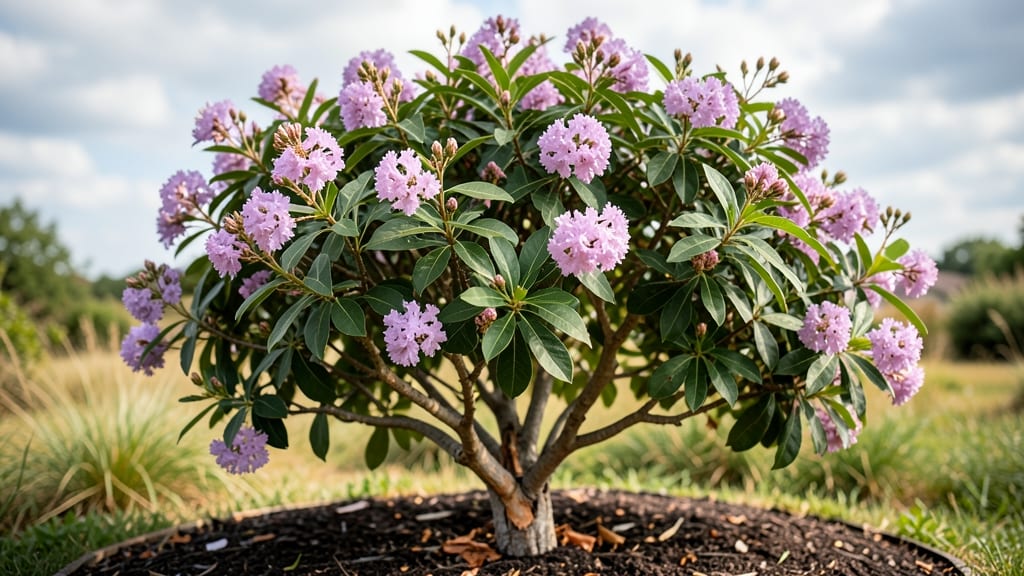
Your yard could have a purple tree bush that stays stunning from spring through winter with almost no pruning. 🌿 These showstopper shrubs—like purple smoke bush, crape myrtle, or lilacs—bring bold foliage and seasonal blooms without the fuss of constant trimming.
The key is choosing the right variety for your climate and giving it the perfect spot from day one.
Start with well-draining soil and full sun (at least 6 hours daily). Most purple-leaved shrubs thrive in zones 5-9, but check your specific type—some handle heat better than others.
Space them 6-10 feet apart unless you're growing them as hedges, then tighten it to 3-5 feet. Water deeply once established, but avoid soggy roots.
Pruning is simple: just remove dead wood in late winter and shape lightly after blooming. You’ll end up with a neighborhood-turning-heads plant that blooms in spring, glows purple all summer, and holds interest through fall. The best part? These bushes handle drought once rooted and rarely need pesticides.
Watch for spider mites in dry spells and powdery mildew if humidity climbs—both are easy to treat with neem oil. With the right care, your purple tree bush will be the standout feature of your landscape for decades. Let’s get yours planted right!
📚 In This Guide
- What you need
- Instructions
- Tips and common mistakes
- Wrapping up and next steps
What you need
- ● Purple tree bush (Lagerstroemia indica or similar) – Choose a healthy, disease-free sapling (3–5 gallons in size).
- ● Well-draining soil mix – 50% native soil + 50% compost or potting mix (pH 6.0–7.0).
- ● Pruning shears – Sharp, bypass-style (for clean cuts).
- ● Gloves – Heavy-duty gardening gloves (thorns can be sharp!).
- ● Watering can or hose – With a gentle spray nozzle (1–2 gallons per watering).
- ○ Mulch (optional but recommended) – 2–3 inches of organic mulch (e.g., wood chips or pine straw).
- ● Fertilizer – Slow-release balanced fertilizer (10-10-10 or similar) or compost tea.
- ● Plant support stake (if planting in windy areas).
- ● Tree collar guard (to protect the trunk from damage).
- ● Pruning sealant (for larger cuts to prevent disease).
- ● Soil moisture meter (to track hydration levels).
- ● Decorative rocks or edging (for a polished garden look).
Step-by-Step instructions for planting and caring for a purple tree bush
Here's how to establish your purple tree bush for vibrant, low-maintenance color all year.
🪴 Step 1: Choose the Perfect Planting Location
Select a spot with full sun exposure (6+ hours daily) and well-draining soil. Purple tree bushes thrive in areas with loamy soil and a slightly acidic to neutral pH (6.0-7.0). If your soil is heavy clay, amend it with 2-3 inches of compost to improve drainage before planting.
Dig a hole twice as wide and just as deep as the root ball. This gives roots room to spread without circling, which causes stress. Gently loosen the roots if they're tightly bound—just enough to encourage outward growth. I always water the hole thoroughly before placing the plant in to eliminate air pockets.
🌱 Step 2: Plant and Water for Strong Establishment
Position the purple tree bush so the top of the root ball sits 1 inch above ground level. This prevents water from pooling around the stem, which can lead to rot. Backfill with native soil, tamping lightly as you go to remove air gaps. Water deeply to settle the soil and eliminate any remaining pockets.
After planting, water again to ensure the soil is evenly moist to a depth of 6 inches. You'll know it's right when water drains freely through the hole but doesn't pool on the surface. Mulch around the base with 2-3 inches of organic mulch, keeping it 3 inches away from the trunk to prevent moisture buildup.
☀️ Step 3: Provide Consistent Care for Year-Round Color
Water 1-2 times per week during the first growing season, depending on rainfall, until the root system establishes. Once mature, purple tree bushes are drought-tolerant but will bloom best with regular deep watering (every 7-10 days). Check soil moisture by sticking your finger 2 inches deep—water when it feels dry.
Fertilize in early spring with a balanced, slow-release fertilizer (10-10-10) to encourage new growth. I apply about ½ cup per plant and water it in thoroughly. Avoid high-nitrogen fertilizers, which promote leafy growth at the expense of vibrant purple foliage. Prune only to shape or remove dead branches—purple tree bushes need minimal trimming to maintain their natural form.
✂️ Step 4: Protect and Maintain for Longevity
In late winter or early spring, prune any dead, damaged, or crossing branches using clean, sharp pruners. Cut just above a bud or lateral branch to encourage healthy regrowth. Avoid heavy pruning—purple tree bushes respond better to light shaping than drastic cuts.
Watch for pests like aphids or spider mites, which can stress the plant. Spray affected areas with neem oil or insecticidal soap if needed. Purple tree bushes are generally low-maintenance, but I always monitor for signs of stress—yellowing leaves or stunted growth usually mean it's time to check watering or soil conditions.
Tips & tricks for perfect purple tree bush planting
These simple strategies will help your purple tree bush thrive with vibrant color all season long.
Soil Prep Secret: Before planting, test your soil's pH using a simple kit from your garden center. If your soil tests below 6.0, mix in 1-2 cups of lime per square foot and work it into the top 6 inches. This small adjustment ensures your purple tree bush gets the slightly acidic environment it loves for those stunning purple leaves. I've seen plants struggle in soil that's too alkaline—trust me, this step makes all the difference!
Planting Depth Matters: That 1-inch above ground level rule in Step 2 is critical—don't bury the root flare! The top of the root ball should sit just above soil level to prevent rot. I always double-check this by measuring from the root flare (where roots meet trunk) to the soil line. If you plant too deep, the roots can suffocate and the plant may never establish properly.
Watering Wisdom: The 6-inch deep watering after planting is more important than you might think. Water slowly until it drains freely from the hole—this ensures the roots make full contact with moist soil. I use a garden hose with a gentle spray setting to avoid disturbing the soil. After watering, let it drain completely before adding mulch to prevent soggy conditions.
Fertilizer Timing: That ½ cup of 10-10-10 fertilizer in early spring is your plant's wake-up call. I apply it right after the last frost when new growth begins. For established plants, I cut back to ¼ cup per year after the first year to avoid over-fertilizing. Too much nitrogen can actually dull those gorgeous purple leaves—we want that vibrant color, not lush green growth!
Pro Tips for Purple Tree Bush
- These simple strategies will help your purple tree bush thrive with vibrant color all season long.
- Soil Prep Secret: Before planting, test your soil's pH using a simple kit from your garden center.
- Planting Depth Matters: That 1-inch above ground level rule in Step 2 is critical—don't bury the root flare!
Frequently asked questions
How often should I prune my purple tree bush?
Prune your purple tree bush once a year, ideally in late winter or early spring before new growth emerges. Light trimming to shape or remove dead branches can happen year-round, but avoid heavy pruning during fall or winter—it stresses the plant. Focus on removing up to 25% of the foliage per session for best results.
Why are the leaves on my purple tree bush turning brown?
Brown leaves usually signal underwatering, overwatering, or fungal issues. Check the soil moisture—it should feel slightly damp but not soggy. If the problem persists, inspect for pests (like spider mites) or diseases (e.g., powdery mildew). Adjust your watering routine and improve airflow by pruning dense areas.
Can a purple tree bush survive winter in cold climates?
Most varieties tolerate USDA zones 7–10, but younger plants or colder regions need protection. Mulch the base with 2–3 inches of organic material (like wood chips) and wrap the trunk with burlap if temps drop below 20°F. Evergreen types handle frost better than deciduous ones—choose accordingly!
How do I encourage more purple blooms?
Blooms thrive with full sun (6+ hours daily) and balanced fertilizer. Use a slow-release, phosphorus-rich fertilizer in spring to promote flowering. Deadhead spent blooms regularly, and avoid heavy pruning after mid-summer—this can reduce next year’s flowers.
What’s a good alternative if my purple tree bush struggles in my climate?
Consider these low-maintenance, color-rich alternatives:
- Lilac bush (Syringa spp.): Fragrant purple blooms, hardy to zone 3.
- Crape myrtle (Lagerstroemia): Drought-tolerant with vibrant purple hues.
- Butterfly bush (Buddleia): Attracts pollinators and thrives in zones 5–9.
Wrapping up and next steps
Growing a purple tree bush is a rewarding way to add vibrant color and texture to your landscape with minimal effort! 🌿 Whether you’re drawn to its striking foliage or low-maintenance charm, this plant thrives with just basic care—like proper sunlight, well-draining soil, and occasional pruning to shape its growth.
The key takeaway? Patience and a little attention go a long way.
Now that you’re armed with the know-how, why not plant one this season? Start small—choose a healthy sapling, prep your soil, and watch your garden transform into a year-round masterpiece. Happy growing! 🌸